 How-to
When Can I Get a Massage After Surgery? Recovery Guide
Last Updated: October 23, 2026
Quick Summary
Most surgeons clear patients for gentle massage after surgery somewhere between two and six weeks, depending on your procedure, your incision, and how your body is healing. Your surgeon's clearance comes first, and the calendar comes second. Light lymphatic work may begin earliest, while deep tissue work usually waits at least six weeks.
- Most surgeons do not clear massage on or near the incision during the first two weeks.
- Weeks three through six are when gentle mobility massage usually begins, staying clear of the incision and drains.
- Lymphatic drainage uses very light strokes and is often the first bodywork cleared after a procedure.
- Scar tissue massage starts only after the wound is fully closed and your surgeon approves.
- Most surgeons hold deep tissue work until at least six weeks, and some wait longer.
Table of Contents
- Why Timing Matters: When Can I Get a Massage After Surgery?
- The Recovery Timeline: Matching Massage to Each Stage of Healing
- Lymphatic Massage After Surgery: The Swelling-First Approach
- Massage for Swelling After Surgery: What It Can and Cannot Do
- Scar Tissue Massage After Surgery: Breaking Down Adhesions Safely
- Deep Tissue Massage After Surgery: Why It Waits Longer
- How to Find a Qualified Therapist and What to Ask Your Surgeon
- Frequently Asked Questions
Why Timing Matters: When Can I Get a Massage After Surgery?
The short answer to "when can I get a massage after surgery" is that there is no single date that fits every procedure. Most surgeons clear patients for gentle massage somewhere between two and six weeks after surgery, and the right window depends on your procedure, your incision, and how your body is healing. At Lavendura Massage & Bodywork in Hobart, IN, we tell every post-op client the same thing: your surgeon's clearance comes first, and the calendar comes second.
That advice runs against what a lot of people find online. Generic timelines say "wait two to four weeks" as if every surgery heals the same way. They don't. A knee scope and a tummy tuck are not the same recovery, and the massage that helps one can irritate the other.
Here's what most guides get wrong: they treat massage as one thing. In practice, light lymphatic work and deep tissue work sit at opposite ends of the recovery timeline. Mixing them up is where people get hurt. Establishing this distinction early ensures that your physical therapy remains aligned with your broader recovery guide, especially when determining the appropriate timing for returning to professional duties.
Below, we break down each stage of healing, the types of massage that fit each one, and the questions to ask before you book.
The Recovery Timeline: Matching Massage to Each Stage of Healing
Timing follows your body's healing stages, not a fixed countdown. Early care protects the incision. Middle-stage work restores gentle movement. Later work addresses deeper tissue.
Weeks 1-2: Protecting the Incision
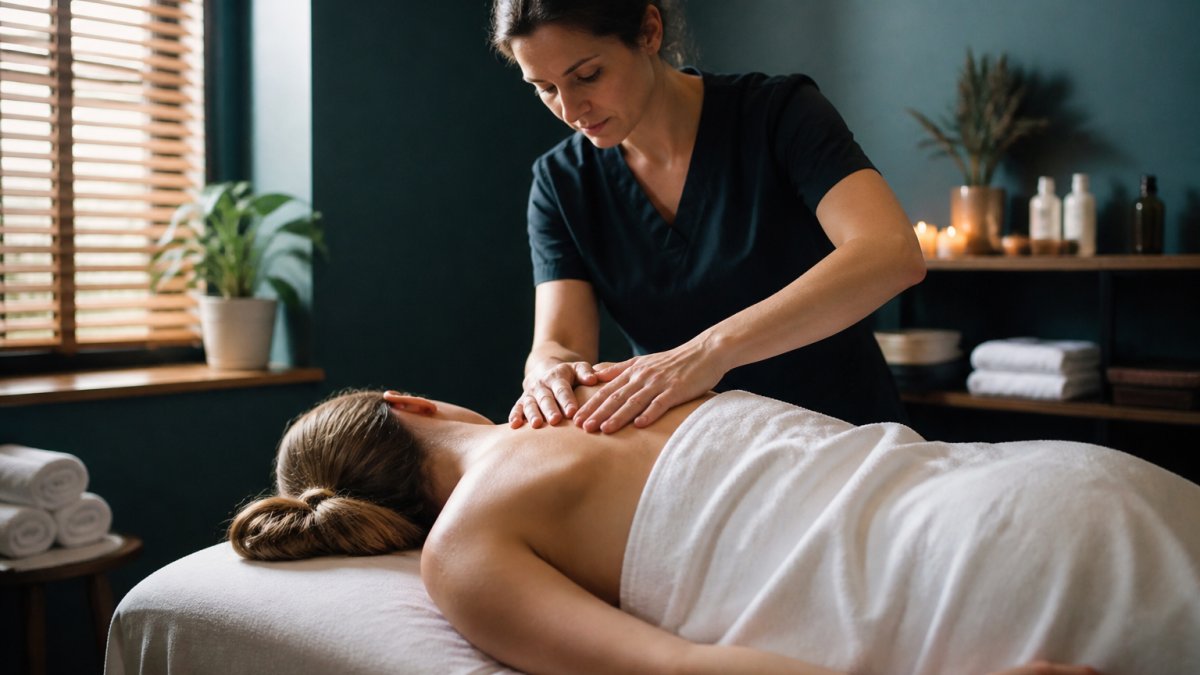
In the first two weeks, the priority is protecting the surgical site. Most surgeons do not clear massage on or near the incision during this window.
Light lymphatic drainage away from the wound may be allowed in some cases, but only with your surgeon's approval. Never book this stage on your own judgment.
Weeks 3-6: Gentle Mobility Work
Weeks three through six are when gentle work usually begins. Light massage can help ease muscle tightness from guarding and limited movement.
Your therapist should stay well clear of the incision and any drains. Pressure stays light. If anything sharp or new shows up, stop.
Week 6 and Beyond: Fuller Tissue Work
After about six weeks, many surgeons allow fuller tissue work, including scar work and deeper massage. This is a general guide, not a rule. Some procedures need more time.
Ask your surgeon to confirm your specific date in writing. Bring that note to your first session.
| Stage | Typical Window | What's Usually Appropriate | What to Avoid |
|---|---|---|---|
| Protect | Weeks 1-2 | Rest; light lymphatic work only with clearance | Direct pressure on the incision |
| Restore | Weeks 3-6 | Gentle mobility massage away from the wound | Deep pressure, scar work |
| Rebuild | Week 6+ | Scar work, deeper tissue work with clearance | Skipping your surgeon's sign-off |
Lymphatic Massage After Surgery: The Swelling-First Approach
Lymphatic massage after surgery is a light, rhythmic technique that helps move built-up fluid toward healthy lymph channels. It is often the first type of bodywork cleared after a procedure.
The key distinction is pressure. Lymphatic drainage uses very light strokes, not deep ones. A clinical case study on massage therapy for chronic pain noted that massage may help with low-back pain, but that finding was not specific to post-surgical care. It supports massage as a comfort tool, not a guaranteed fix.
For swelling, timing matters more than force. A guide on optimal post-surgery massage from Georgia Plastic cautions against generic "start in two to four weeks" advice and stresses telling lymphatic drainage apart from deep tissue work.
Massage for Swelling After Surgery: What It Can and Cannot Do
Massage for swelling after surgery can ease fluid buildup and help you feel more comfortable. It cannot replace your surgeon's care plan or fix a problem that needs medical attention.
What light massage may do:
- Support lymph flow and reduce puffiness
- Ease tightness from limited movement
- Help you rest more comfortably
What it cannot do:
Schedule your appointment today →
- Treat infection, blood clots, or excessive bleeding
- Speed healing beyond what your body allows
- Substitute for compression garments or elevation
Watch for red flags: spreading redness, fever, sudden swelling, or pain that gets worse. Those need a call to your surgeon, not a massage table.
Scar Tissue Massage After Surgery: Breaking Down Adhesions Safely
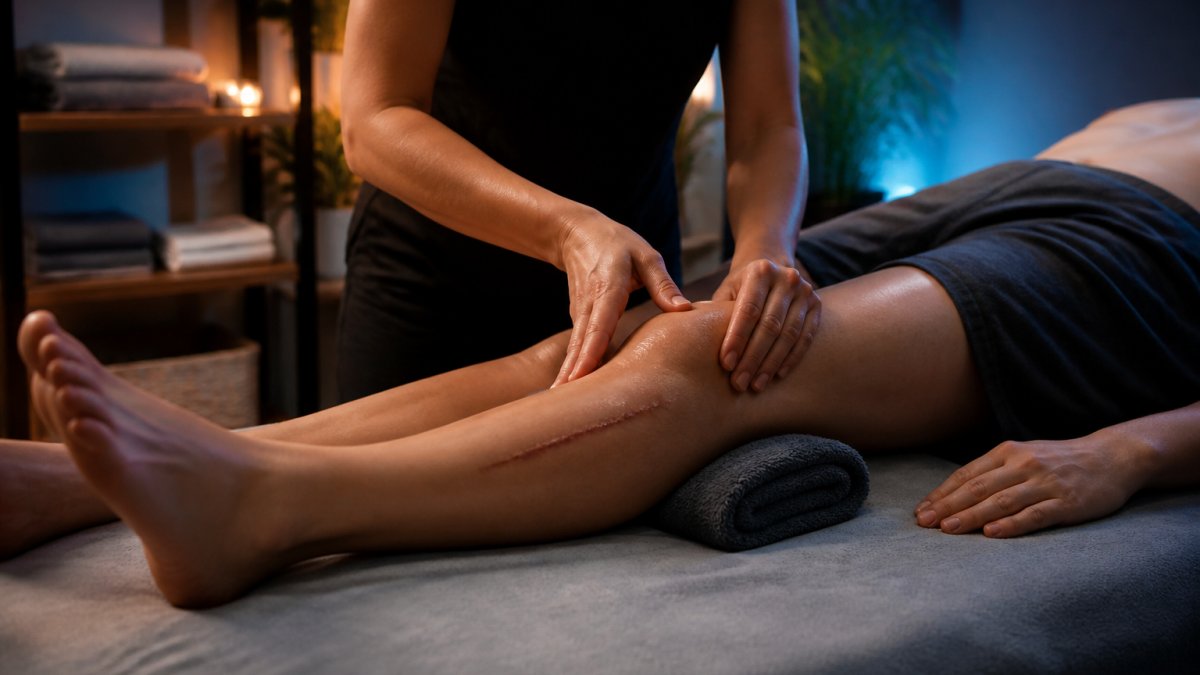
Scar tissue massage after surgery is gentle work on and around a healed incision to keep tissue from binding. It usually starts only after the wound is fully closed and your surgeon approves.
Adhesions are bands of tissue that can form as you heal and limit movement. Light scar work can help keep the area mobile. It should never be done on an open or scabbing wound.
A few ground rules:
- Wait until the incision is closed and dry
- Start with light pressure, never deep force
- Stop if you feel sharp pain or see new redness
Deep Tissue Massage After Surgery: Why It Waits Longer
Deep tissue massage after surgery waits longer because it works on deeper muscle layers. That pressure can stress tissue that is still healing.
Most surgeons hold deep work until at least six weeks, and some wait longer. The exact date depends on your procedure and how you're healing.
When you do start, expect a gradual build. Your therapist should check in on pressure throughout. Soreness that lasts a day or two is common; sharp pain is not.
If you're coming from a spa background where deep pressure was routine, expect a slower pace here. Post-op tissue does not respond the same way.
How to Find a Qualified Therapist and What to Ask Your Surgeon
Finding the right therapist starts with credentials and a clear conversation. Look for a licensed massage therapist with training in post-surgical care, and ask about specific certifications.
At Lavendura Massage & Bodywork, our therapist holds credentials including Licensed Massage Therapist (LMT), Board Certified in Therapeutic Massage and Bodywork (BCTMB), Medical Massage Practitioner (MMP), and Manual Lymph Drainage Certified (MLD-C). We also offer mobile service options for clients who can't travel easily.
Questions to ask your surgeon:
- When can I start light massage, and when can I start deeper work?
- Are there areas to avoid entirely?
- Do I need to wait for drains or stitches to come out?
- Should I avoid scar work until a certain date?
Questions to ask your therapist:
- What training do you have in post-surgical and lymphatic work?
- How do you adjust pressure for a healing incision?
- What would make you stop a session?
If you're searching for post-surgical massage near me in Hobart or the surrounding Northwest Indiana area, check credentials before you book. A short consultation call saves a lot of guesswork.
Frequently Asked Questions
How long after surgery should you wait to get a massage?
There is no single fixed date. Most surgeons clear patients for gentle lymphatic work somewhere between one and two weeks, while deeper tissue work typically waits until at least six weeks. Your incision type, procedure, and healing progress decide the real answer. Get written clearance from your surgeon before booking any massage after surgery.
When can you get a lymphatic massage after surgery?
Lymphatic massage after surgery is usually the earliest type allowed because it works on the surface of the skin with light pressure to move fluid. Many surgeons approve it once the incision is closed and drainage has stopped, often within one to two weeks. A therapist with manual lymph drainage certification (MLD-C) should confirm your surgeon's clearance first. If swelling is worsening or you have signs of infection, call your surgeon before scheduling.
Is massage safe over a surgical incision?
Direct pressure on an unhealed incision is not safe. Once the wound is fully closed and your surgeon clears you, therapists work around the incision line rather than on it, and scar tissue massage after surgery begins only when the tissue is ready. Tell your therapist exactly where the incision is and how it is healing. Any redness, drainage, or opening at the site means waiting and checking with your surgeon.
What should I ask my surgeon before booking a massage?
Ask four things: when you can start, which massage types are allowed, whether lymphatic drainage is appropriate for your procedure, and any pressure limits around the incision. Also ask whether you have drains, blood thinners, or implant precautions. Bring the therapist's credentials, such as LMT, BCTMB, or MLD-C, so your surgeon knows who is treating you. Get the answer in writing if you can. Clearance protects both you and your therapist.
Recovery is a process, and rushing the timeline rarely helps. If you're healing from surgery and want guidance on when massage fits your stage, Lavendura Massage & Bodywork is here to help. Our board certified therapist offers lymphatic drainage, customized post-op care, and mobile service across Hobart and Northwest Indiana. Schedule your appointment today and move through recovery with support that matches where you are.