 how-to
How to Reduce Post Op Swelling: A Step-by-Step Guide
Table of Contents
- Understanding Why Swelling Occurs After Surgery
- How Long Does Swelling Last After Surgery
- Essential Steps to Reduce Post Op Swelling
- Ice or Heat for Swelling After Surgery: Which Works Best
- How to Reduce Leg Swelling After Surgery
- Post-Surgical Lymphatic Drainage Massage for Swelling Relief
- When to Seek Medical Attention
- Frequently Asked Questions
Last Updated: October 9, 2026
Understanding Why Swelling Occurs After Surgery
Swelling is your body's natural response to surgical trauma. When a surgeon operates, they create inflammation in the tissues. This triggers fluid buildup around the incision site and affected area. Your immune system rushes to the area to begin healing. Blood vessels dilate to deliver nutrients and white blood cells. This process is necessary, but it causes visible swelling.
The amount of post op swelling depends on several factors. The type of surgery matters. Orthopedic procedures tend to cause more swelling than minor procedures. Your age, overall health, and how well you follow recovery instructions all play a role. Some people naturally experience more inflammation than others.
At Lavendura Massage & Bodywork, we work with post-operative patients throughout the recovery process. Understanding what causes swelling helps you manage it effectively. Swelling typically peaks within the first 48 to 72 hours after surgery. This doesn't mean something went wrong. It's actually a sign your body is healing.
How Long Does Swelling Last After Surgery
The timeline for how long swelling lasts varies by procedure. Minor procedures may see swelling subside within one to two weeks. More invasive surgeries can cause swelling that persists for several weeks or even months.
Most patients notice significant improvement within the first two to three weeks. However, residual swelling can linger longer. Some swelling may not fully resolve for three to six months, depending on the surgery type and your body's healing speed.
Factors that influence swelling duration include:
- Type and extent of surgery performed
- How well you manage post op swelling early on
- Your activity level during recovery
- Whether you follow elevation and compression guidelines
- Your age and overall health status
Don't be discouraged if swelling decreases slowly. This is normal. Consistent management of post op swelling accelerates the process. The steps you take in the first few weeks set the tone for your entire recovery.
Essential Steps to Reduce Post Op Swelling
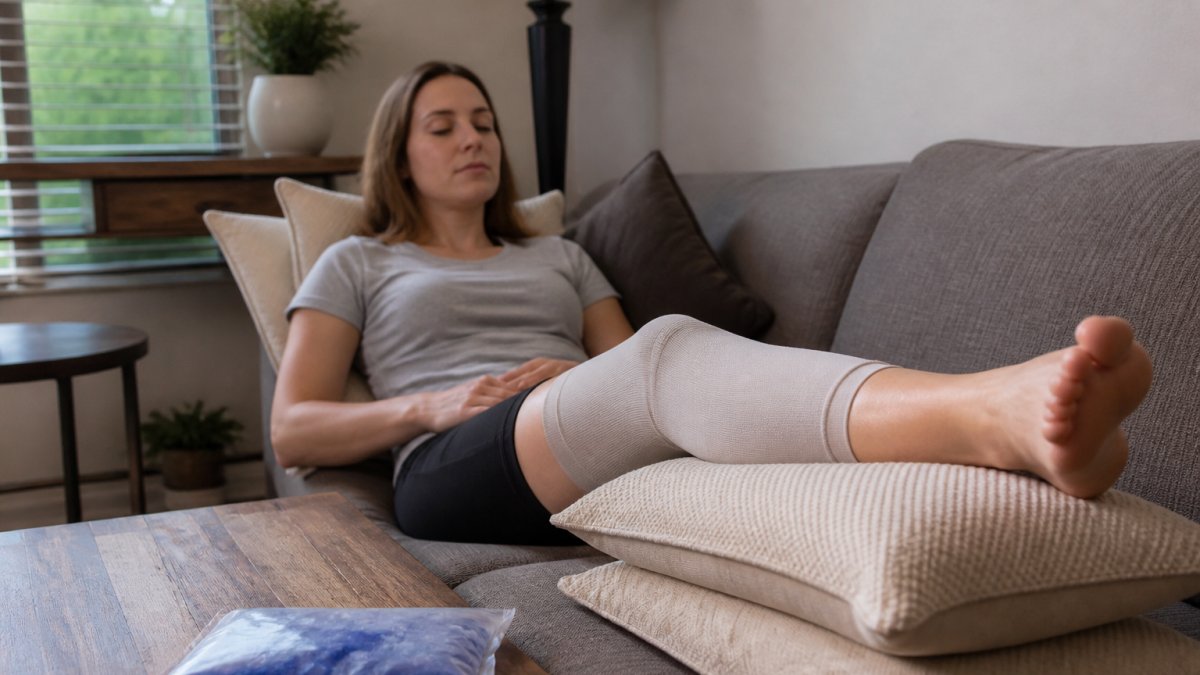
Reducing post op swelling requires a multi-faceted approach. No single method works alone. The most effective recovery combines elevation, compression, movement, and sometimes ice or heat. Start these techniques immediately after surgery, following your surgeon's specific instructions.
Elevation and Positioning
Elevation is one of the simplest and most effective ways to reduce post op swelling. Gravity naturally pulls fluid downward. When you elevate the surgical area above your heart, fluid drains away from the injury site.
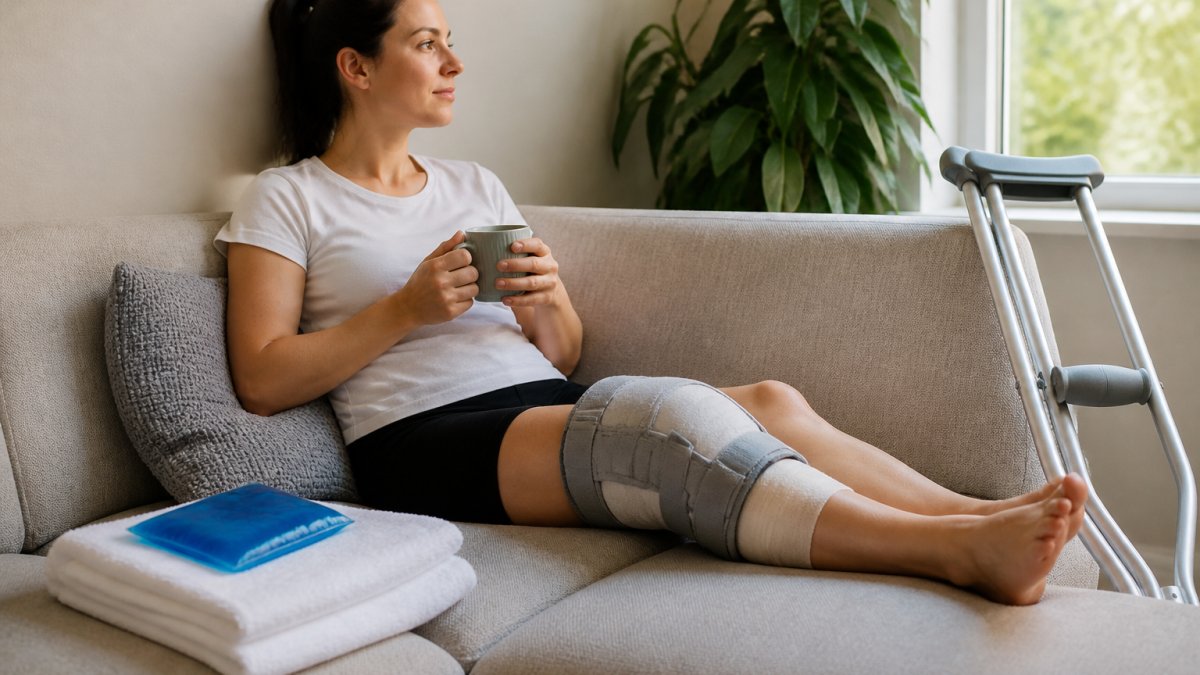
For leg or foot surgery, prop your leg on pillows while sitting or lying down. Your foot should be higher than your hip. Keep it elevated for 20 to 30 minutes at a time, several times daily. At night, sleep with the surgical area elevated on extra pillows.
For arm or hand surgery, use a sling or pillow to keep the arm elevated at or above heart level. This simple positioning change makes a real difference in managing post op swelling.
Proper positioning also prevents stiffness. Staying in one position too long can create new problems. Change positions every 30 to 45 minutes. Move slowly and carefully when you shift positions.
Compression Techniques
Compression works by applying gentle, consistent pressure to the surgical area. This pressure helps push excess fluid away from the tissues. Compression reduces post op swelling significantly when applied correctly.
Your surgeon may provide a compression bandage or sleeve. Follow their instructions on how tight to wear it. Compression should feel snug but not painful. You should be able to slip a finger under the bandage.
Types of compression options include:
- Elastic compression wraps or bandages
- Compression sleeves or stockings
- Compression garments designed for specific body parts
- Lymphedema sleeves for more intensive compression
Wear compression during the day when you're active. Many people find it helpful to sleep in compression as well, though check with your surgeon first. Replace compression wraps daily to keep them clean and effective.
Remove compression periodically to check your skin. Look for any redness, irritation, or signs of poor circulation. If you notice numbness, tingling, or increased pain, loosen the compression immediately.
Movement and Activity
Complete bed rest actually slows healing and increases swelling. Gentle movement promotes circulation and helps reduce post op swelling. Your surgeon will give you specific guidelines about when and how to move.
Start with simple movements:
- Gentle ankle pumps if you had leg surgery
- Finger and wrist movements if you had arm surgery
- Deep breathing and light walking as approved by your surgeon
These small movements keep blood flowing and prevent fluid from pooling. Gradually increase activity as your surgeon clears you. Walking is excellent for managing post op swelling throughout recovery.
Avoid heavy lifting, running, or intense exercise until your surgeon approves. Overdoing it can trigger more inflammation and swelling. Follow the gradual progression your surgeon recommends.
Ice or Heat for Swelling After Surgery: Which Works Best
Many people wonder whether ice or heat helps reduce post op swelling. The answer depends on the timing and type of surgery.
Ice is best in the first 48 to 72 hours after surgery. Cold reduces inflammation and numbs pain. Apply ice for 15 to 20 minutes at a time, with at least 20 minutes between applications. Use a towel between the ice pack and your skin to prevent ice burn.
Heat is better after the initial swelling phase. Once acute inflammation has decreased, gentle heat improves circulation and promotes healing. Heat also helps relieve muscle tension that develops during recovery.
Schedule your appointment today →
Your surgeon may have specific recommendations about ice versus heat. Follow their guidance, as it depends on your particular procedure. Some surgeries benefit from ice longer than others.
Never apply ice or heat directly to your skin. Always use a barrier like a towel or cloth. Limit applications to 20 minutes to avoid tissue damage.
How to Reduce Leg Swelling After Surgery
Leg surgery often causes significant post op swelling because the legs are far from the heart. Gravity works against you when managing post op swelling in the legs.
Elevation is critical for leg swelling. Prop your leg on pillows so your foot is 12 inches higher than your heart. Keep it elevated as much as possible during the first two weeks.
Compression sleeves or wraps designed for legs are highly effective. They apply consistent pressure from the foot upward, pushing fluid toward the heart. Wear compression during waking hours and sometimes while sleeping.
Gentle leg movements help too:
- Ankle pumps: flex and point your foot repeatedly
- Quad sets: tighten thigh muscles and hold for five seconds
- Heel slides: gently slide your heel toward your buttock
- Short walks: take slow, short walks as approved by your surgeon
Walking gradually increases as you heal. Start with just a few steps around your home. Build up distance slowly. Walking is one of the best ways to reduce leg swelling after surgery because it activates calf muscles that pump fluid upward.
Avoid standing for long periods in early recovery. If you must stand, wear compression and keep moving. Staying in one position increases post op swelling in the legs.
Post-Surgical Lymphatic Drainage Massage for Swelling Relief
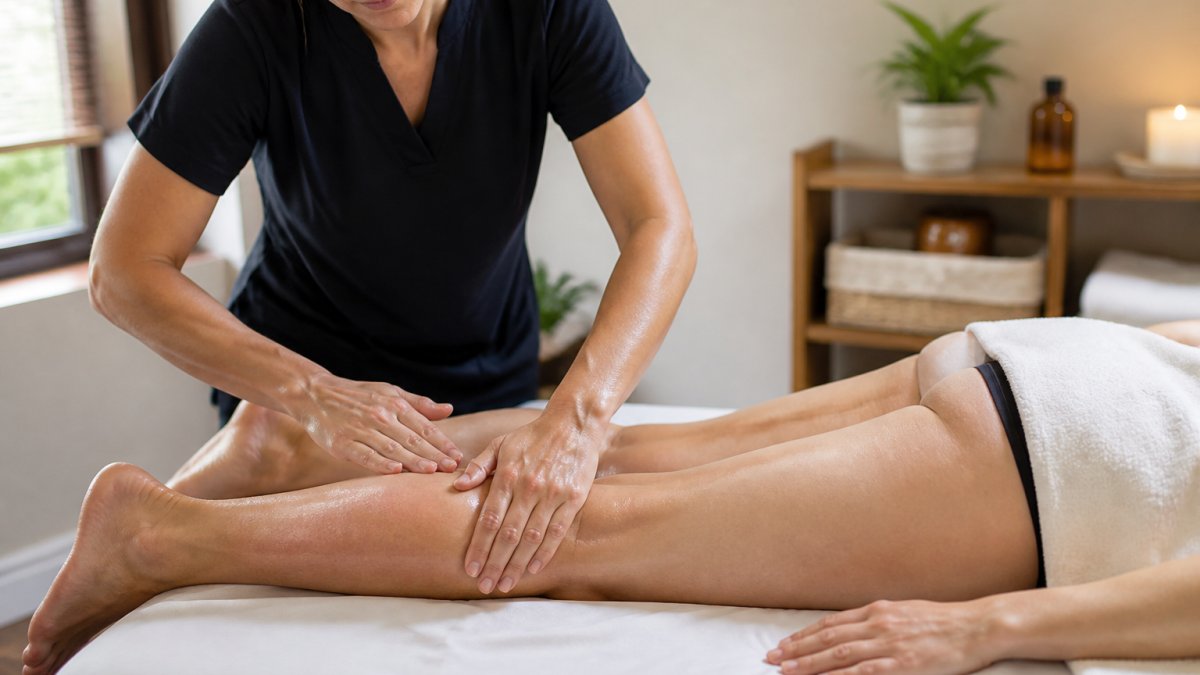
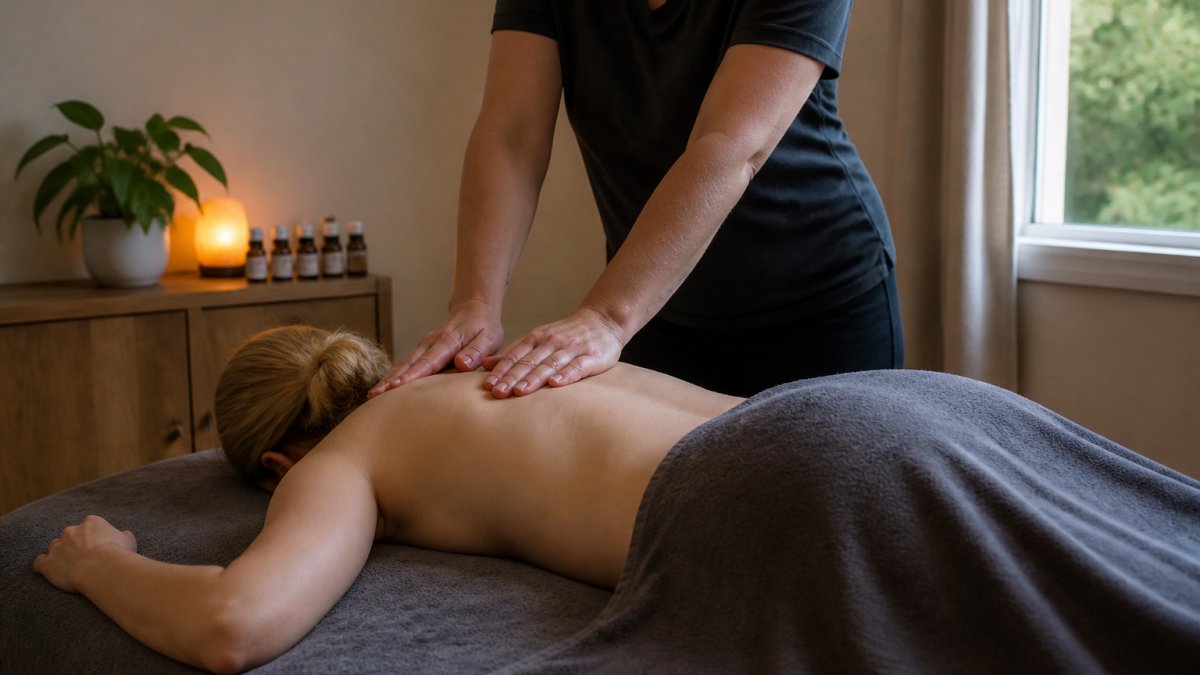
Post-surgical lymphatic drainage massage is a specialized technique that accelerates healing and reduces post op swelling. This isn't regular massage. It's a gentle, precise method designed specifically for post-operative recovery.
The lymphatic system removes excess fluid from tissues. After surgery, this system becomes overwhelmed. Lymphatic drainage massage gently stimulates the lymphatic vessels to move fluid more efficiently. This reduces post op swelling and promotes healing.
Timing matters. Most surgeons recommend waiting until initial bleeding has stopped before starting lymphatic drainage massage. This is typically five to seven days after surgery, though it varies by procedure. Always get your surgeon's approval before beginning any massage.
A certified lymphatic drainage therapist uses light pressure and specific hand techniques. The pressure is much gentler than regular massage. The therapist follows the natural flow of your lymphatic system, moving fluid toward lymph nodes.
Benefits of post-surgical lymphatic drainage include:
- Faster reduction of post op swelling
- Improved circulation and healing
- Reduced pain and discomfort
- Better range of motion during recovery
- Decreased risk of complications like seroma or hematoma
Lavendura Massage & Bodywork specializes in post-operative lymphatic drainage massage. Our board-certified therapists are trained in manual lymph drainage techniques. We work with patients throughout recovery to help reduce post op swelling safely and effectively. We serve patients in Hobart and throughout Northwest Indiana, including Merrillville, Crown Point, Valparaiso, and the Chicagoland area.
Sessions typically last 30 to 60 minutes. Most patients benefit from multiple sessions during early recovery. Your therapist will assess your specific needs and create a treatment plan tailored to your surgery and healing progress.
When to Seek Medical Attention
Most post op swelling is normal and manageable. However, certain signs indicate you should contact your surgeon immediately.
Seek medical attention if you experience:
- Severe swelling that worsens despite elevation and compression
- Swelling accompanied by increased pain, redness, or warmth
- Signs of infection: fever, pus, or foul-smelling drainage
- Swelling that affects your ability to move or function
- Numbness, tingling, or color changes in the surgical area
- Swelling that extends far beyond the surgical site
- Signs of blood clots: calf pain, warmth, or swelling in one leg only
These symptoms may indicate complications that require immediate professional evaluation. Your surgeon needs to assess whether you're experiencing normal post op swelling or something requiring intervention.
Contact your surgeon's office if you have questions about your specific recovery. They know your surgery details and can provide personalized guidance. Don't wait or assume swelling is normal if something feels wrong.
Managing post op swelling effectively sets you up for faster, smoother recovery. The combination of elevation, compression, gentle movement, and sometimes professional lymphatic drainage massage works together to reduce swelling and promote healing. If you're in the Hobart area or surrounding Northwest Indiana communities, Lavendura Massage & Bodywork offers specialized post-operative lymphatic drainage massage to support your recovery. Our board-certified therapist uses proven techniques to help reduce post op swelling, improve circulation, and accelerate healing. Learn more about post-operative rehabilitation guidelines to understand your recovery better. Schedule your appointment today and take an active role in your healing journey.
Frequently Asked Questions
Can massage help reduce swelling after surgery?
Yes, post-surgical lymphatic drainage massage can help reduce swelling by encouraging fluid movement through the lymphatic system. This specialized technique uses gentle pressure to redirect fluid away from the surgical area. However, massage should only begin when your surgeon approves it, typically after initial swelling peaks. A certified lymphatic drainage specialist can tailor treatment to your specific recovery stage and surgical type.
How long does post-operative swelling last?
Swelling typically peaks within the first 48 to 72 hours after surgery, then gradually improves over weeks to months depending on the procedure type and your healing response. Minor swelling may persist for 6 to 12 weeks, while more extensive surgeries can take several months. Individual factors like age, circulation, and adherence to elevation and compression techniques affect the timeline. Your surgeon can give you a more specific estimate based on your procedure.
Should I use ice or heat for swelling after surgery?
Ice is the first choice immediately after surgery, typically for the first 48 to 72 hours, because it constricts blood vessels and reduces inflammation. After this initial phase, your surgeon may recommend heat to improve circulation and promote healing. Never apply ice or heat directly to skin; use a barrier like a cloth. Always follow your surgeon's specific guidance, as the timing varies by procedure type and individual healing needs.
What should I avoid while recovering from surgery?
Avoid strenuous activity, heavy lifting, and prolonged standing or sitting without elevation during early recovery. Don't massage the surgical area without professional guidance, and avoid heat therapy in the first few days when inflammation is high. Skip alcohol and certain medications that thin blood unless approved by your doctor. Don't ignore signs of infection like increased redness, warmth, or discharge. Follow your surgeon's activity restrictions closely, as premature movement can increase swelling and delay healing.