 How-to
How Does Lymphatic Drainage Massage Work?
Table of Contents
- How Does Lymphatic Drainage Massage Work?
- Manual Lymphatic Drainage: The Technique Behind the Treatment
- How to Do Lymphatic Drainage Massage at Home
- How Long Does Lymphatic Drainage Massage Take?
- Lymphatic Drainage Massage Risks and Who Should Avoid It
- When to See a Certified Professional in Northwest Indiana
- Frequently Asked Questions
Last Updated: October 12, 2026
How Does Lymphatic Drainage Massage Work?
Lymphatic drainage massage works by using light, rhythmic strokes to help move lymph fluid through your body's lymphatic system. This network of vessels and nodes normally clears waste and extra fluid on its own, but surgery, injury, or long periods of swelling can slow it down. A trained therapist follows the direction of the vessels to help that fluid keep moving.
At Lavendura Massage & Bodywork in Hobart, IN, we use this approach to help clients manage swelling, tightness, and recovery after surgery. It is a gentle treatment, not a deep tissue massage.
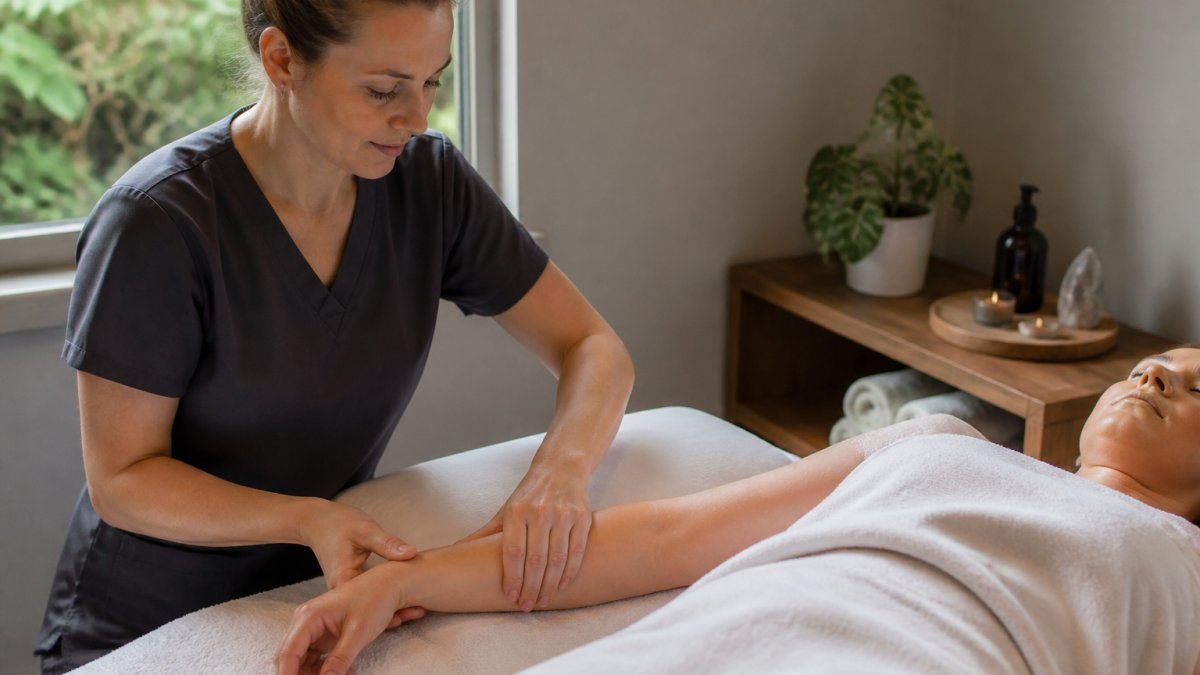
What Happens During a Session
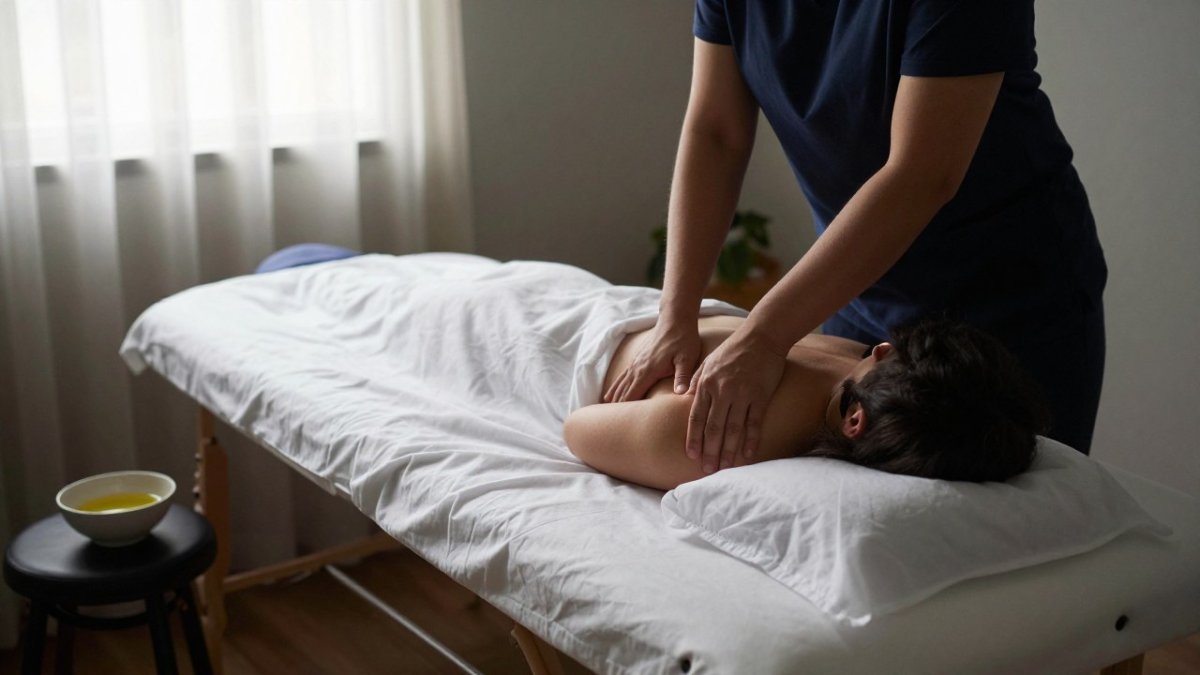
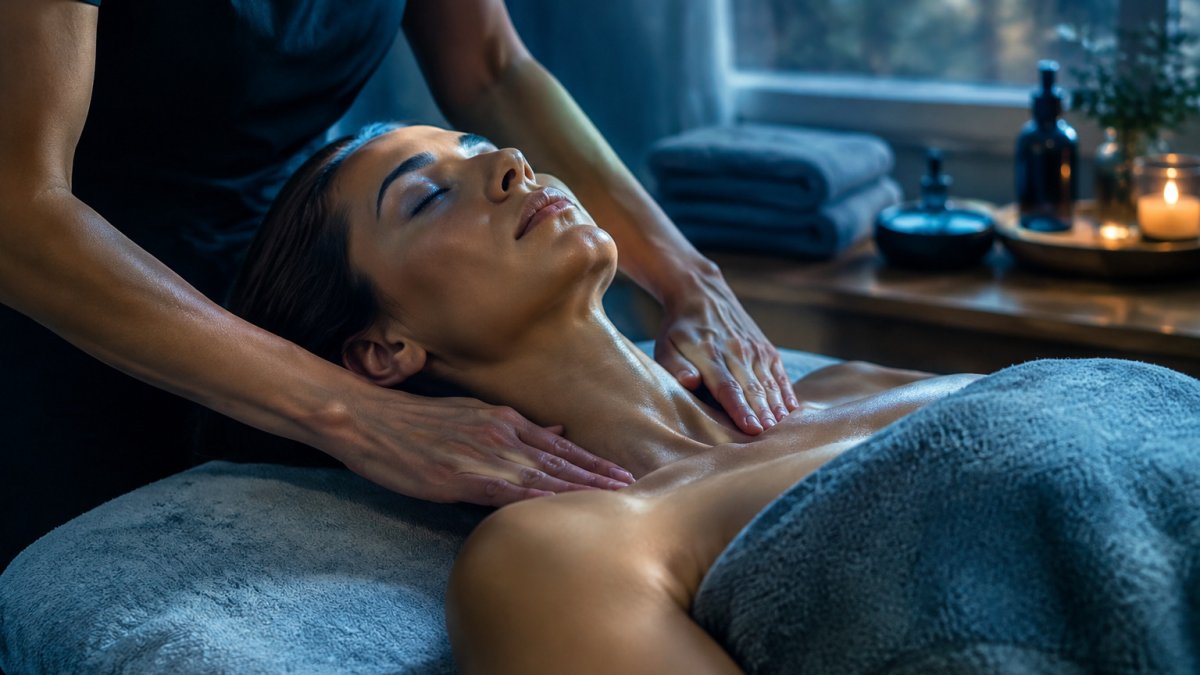
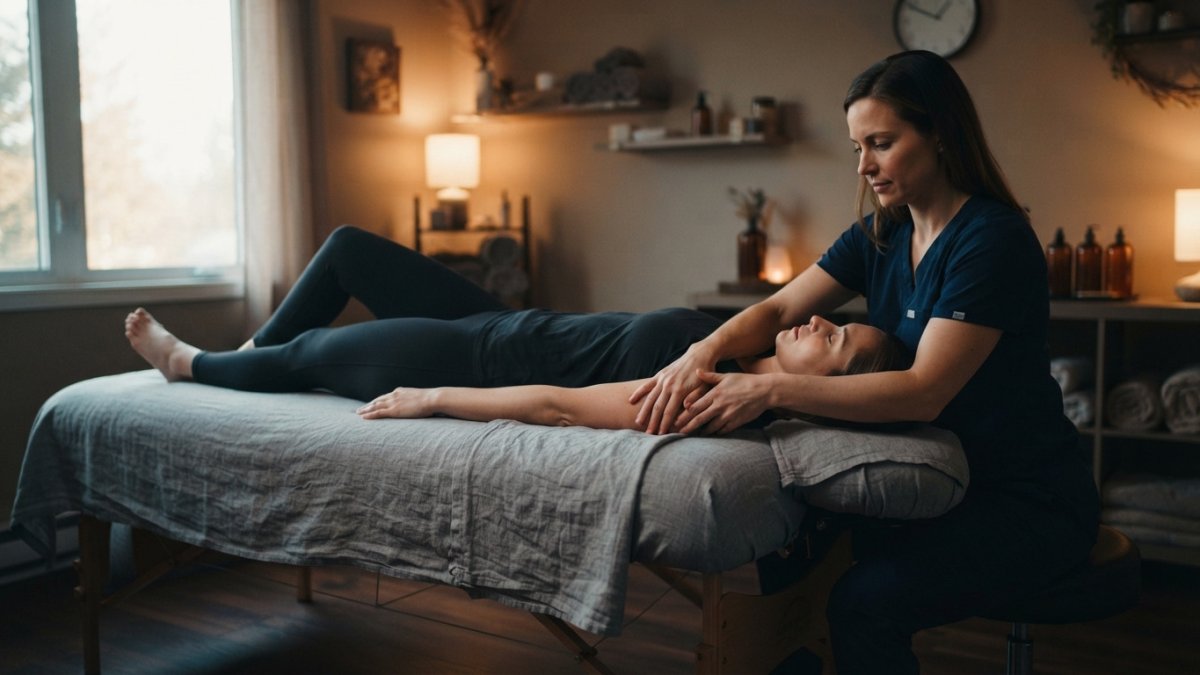
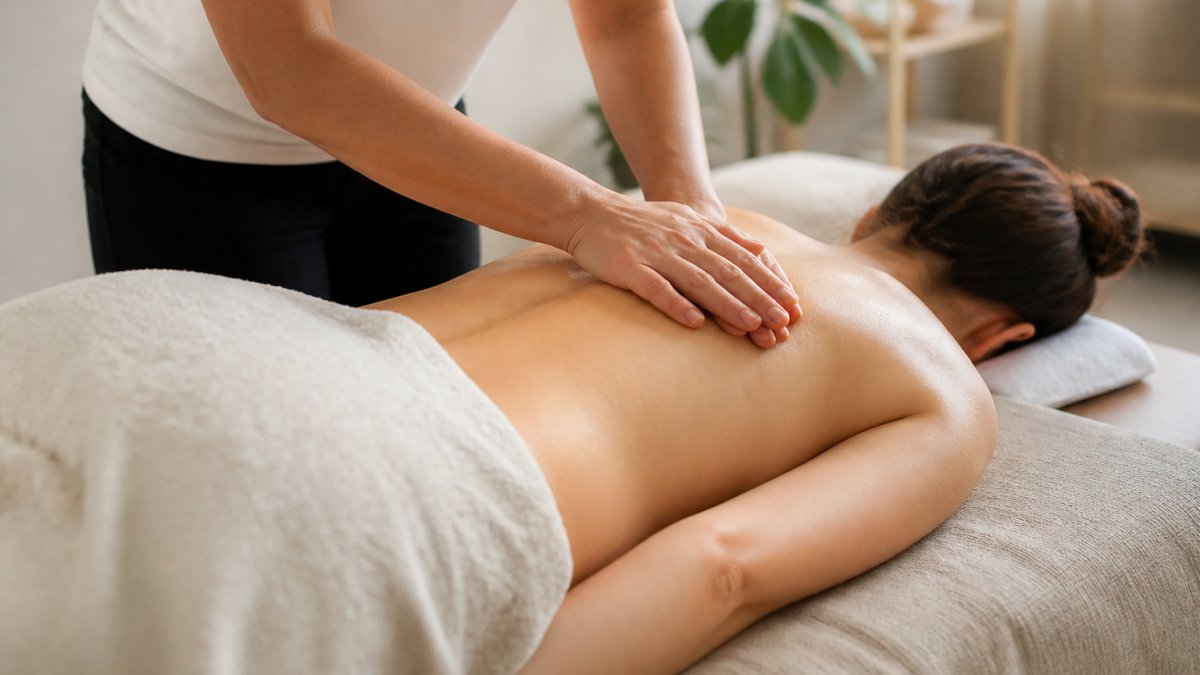
Sessions are quiet and slow. Your therapist starts near the collarbone and upper chest, where lymph fluid returns to the bloodstream. From there, they work down the arms, legs, or torso with soft, pumping strokes.
Most people feel relaxed rather than sore afterward. There is no heavy pressure, no oil-heavy kneading, and no need to brace yourself.
The Cleveland Clinic overview of the lymphatic system explains how these vessels carry fluid and why gentle movement helps them function.
Manual Lymphatic Drainage: The Technique Behind the Treatment
Manual lymphatic drainage is a specialized form of massage built around the anatomy of the lymphatic system. It uses light, precise hand movements in a set order, starting at the trunk and moving outward.
Why Light Pressure Matters More Than Deep Tissue Work
This is where most people get it wrong. They assume a firmer massage will push fluid out faster. It does not.
The lymphatic vessels sit just under the skin. Deep pressure can flatten them and slow the flow instead of helping it. That is why manual lymphatic drainage uses a touch that feels almost feather-light.
A common mistake is booking a deep tissue session to "fix" swelling. That can leave you sore and no better off.
How to Do Lymphatic Drainage Massage at Home
You can do a gentle version of lymphatic drainage massage at home. It will not replace professional care, but it can support circulation between sessions.
Step-by-Step Self-Massage Routine
Do this lying down or seated, with clean hands and light pressure. Stop if anything hurts.
- Place your hands on your collarbone and stroke gently outward toward your shoulders.
- Move to your neck and stroke downward toward the collarbone.
- Work down each arm, stroking from wrist toward shoulder.
- On your legs, stroke from ankle toward knee, then knee toward hip.
- Finish with slow, deep breaths to help circulation.
Keep each stroke slow and repeat 5 to 10 times per area. The whole routine takes about 10 minutes.
How Long Does Lymphatic Drainage Massage Take?
A typical session takes 45 to 60 minutes. Full-body treatments run longer, while focused work on one arm or leg can take about 30 minutes. Your first visit may include extra time for a health history.
Schedule your appointment today →
How often you go depends on your goal. Some clients come weekly during recovery, then taper off. Others use it as occasional maintenance.
| Situation | Session Length | Typical Frequency |
|---|---|---|
| Post-surgical swelling | 45-60 minutes | 1-3 times per week |
| Chronic swelling | 45-60 minutes | Weekly |
| General wellness | 30-60 minutes | Monthly |
| Self-massage at home | 10 minutes | Daily |
Lymphatic Drainage Massage Risks and Who Should Avoid It
Lymphatic drainage massage is generally gentle, but it is not right for everyone. Risks include mild soreness, temporary tiredness, and, in rare cases, added swelling if the wrong technique is used.
Talk to your doctor first if you have any of these:
- An active infection or fever
- A blood clot or history of clots
- Heart or kidney conditions
- Untreated cancer or a current cancer treatment
- Open wounds or skin infections
If you are unsure, ask your physician before booking. The National Library of Medicine resource on lymphatic massage offers plain-language background on the lymphatic system.
When to See a Certified Professional in Northwest Indiana
Some swelling needs a trained hand, not a home routine. If swelling is getting worse, if a limb feels hot or tight, or if you are recovering from surgery, see a certified professional.
Look for a therapist with manual lymphatic drainage certification. At Lavendura Massage & Bodywork, our practitioner holds MLD-C (Manual Lymph Drainage Certified) and BCTMB credentials, and we specialize in post-operative care.
We serve Hobart, Merrillville, Crown Point, Valparaiso, Gary, Hammond, Highland, and the Chicagoland area. If you are searching for lymphatic drainage massage near me in Northwest Indiana, we offer mobile service options for clients with limited mobility.
Frequently Asked Questions
What happens during a lymphatic drainage massage?
A session typically begins with a brief health intake. You lie down while the therapist uses light, rhythmic strokes on your skin, starting near the collarbone and moving toward the extremities. The pressure is gentle, almost like a light stretch, and should never feel painful. Most people find it deeply relaxing. The therapist works systematically to encourage lymph fluid toward drainage points near the neck, armpits, and groin.
Can you do lymphatic drainage massage on yourself?
Yes, self-massage is possible with proper guidance. Use light pressure and work from your neck and collarbone outward toward your limbs. A simple routine takes about 10 to 15 minutes. However, if you are recovering from surgery or have a diagnosed condition, ask your doctor or a certified therapist to show you safe techniques first. Self-massage supports general wellness but does not replace professional care for post-operative swelling.
Who should avoid lymphatic drainage massage?
People with active infections, blood clots, heart failure, or untreated kidney conditions should not receive lymphatic drainage massage without medical clearance. Anyone with an active cancer diagnosis should consult their oncology team first, because lymph nodes near tumor sites require special handling. If you have a skin infection or open wound in the treatment area, wait until it heals. Always share your full health history with your therapist before your first session.
How long does it take to see results from lymphatic drainage massage?
Many people notice reduced swelling and a lighter feeling after a single session. For post-surgical swelling, a series of sessions over several weeks is often recommended, with each session building on the last. Chronic conditions may need ongoing treatment. Your therapist can give you a realistic timeline based on your specific situation during your initial consultation. Results vary depending on the cause and severity of your swelling.
Swelling that will not settle after surgery or injury is frustrating, and guessing at home can slow your recovery. Lavendura Massage & Bodywork offers customized post-operative lymphatic drainage, mobile service options, and care from a board certified therapist who tailors each session to your needs. Schedule your appointment today and take the next step toward moving more comfortably.