 Ultimate guide
Recovery Massage After Surgery: A Safe-Start Guide
Last Updated: November 5, 2026
Quick Summary
Recovery massage is gentle, hands-on therapy that can help with swelling, scar mobility, muscle tightness and comfort after surgery, but only once your surgical team has cleared it. It cannot speed healing past what your body and surgeon allow, so clearance comes before booking.
- There is no universal waiting period; timing depends on your procedure, incision and surgeon's approval.
- Ask your surgeon which areas to avoid, when massage can start and what warning signs mean stop.
- Stop and call your surgeon the same day for spreading redness, drainage, fever or one-sided calf pain.
- Lymphatic drainage uses very light, rhythmic strokes, while standard massage works deeper into muscle.
- Scar massage usually begins only after the incision has fully closed and your surgeon confirms it is safe.
Table of Contents
- What Recovery Massage After Surgery Can and Cannot Do
- Massage After Surgery When Safe: Why There Is No Universal Waiting Period
- Post-Surgery Lymphatic Drainage Massage: How It Differs From Standard Massage
- Massage After Surgery Risks and Red Flags to Watch For
- Post-Surgical Scar Massage: Timing, Technique, and Expectations
- Recovery Timelines by Surgery Type and Procedure-Specific Positioning
- Booking Your Recovery Massage Consultation in Hobart
- Frequently Asked Questions
What Recovery Massage After Surgery Can and Cannot Do
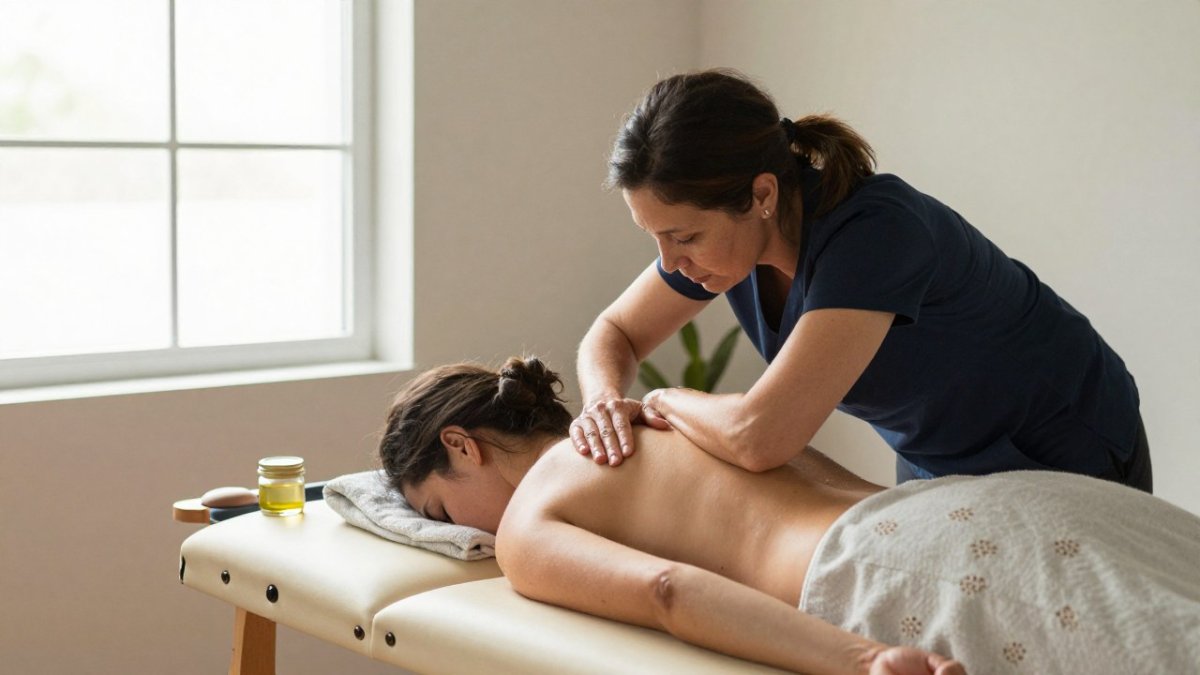
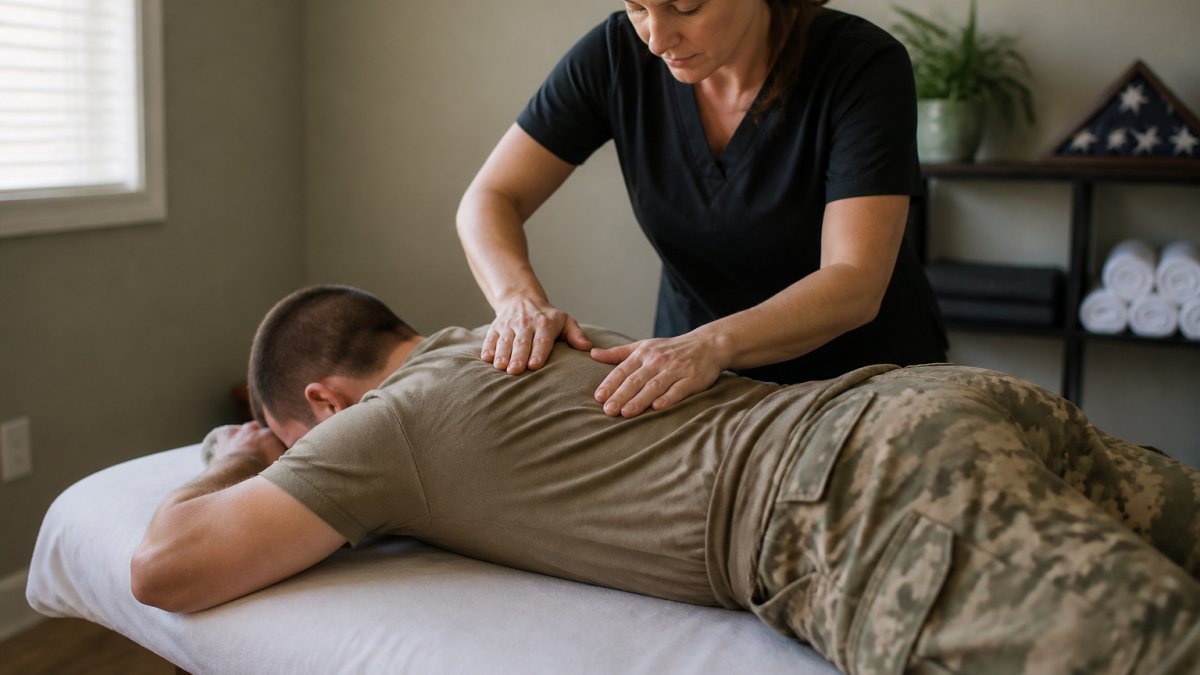
Recovery massage after surgery is gentle, hands-on therapy that can help with swelling, scar mobility, muscle tightness and general comfort once your surgical team has cleared it.
Massage can help you move more comfortably around the healing area, and many people find a careful session reduces stiffness and restlessness.
A common mistake is treating every surgery the same. A knee replacement, a breast reconstruction and an abdominal procedure each carry different restrictions, swelling patterns and risks.
Massage After Surgery When Safe: Why There Is No Universal Waiting Period
There is no single waiting period that makes massage safe for everyone after surgery. Timing depends on the procedure, the incision, your overall health and what your surgeon has approved.
Get clearance first and book second. Our recovery guide on safe timing and surgeon clearance explains what to ask before your first session. Ask your surgeon directly whether massage is appropriate, which areas to avoid and how soon you can start.
Questions to Ask Your Surgeon Before Booking
Bring these questions to your next appointment, and write down the answers:
- Am I cleared for massage, and if so, when does it begin?
- Which areas should never be massaged, including near drains or sutures?
- Are there warning signs, such as heat, redness or swelling, that mean I should stop?
- Is lymphatic drainage appropriate for my procedure, or should I start with gentler contact?
- Should my therapist know about any blood thinners, implants or medical conditions?
Share the answers with your massage therapist. A qualified therapist will ask for this information anyway, and a clear record protects both of you.
Post-Surgery Lymphatic Drainage Massage: How It Differs From Standard Massage
Post-surgery lymphatic drainage massage uses very light, rhythmic strokes aimed at guiding fluid through the lymphatic system. You can see the post-op lymphatic drainage service offered in Hobart.
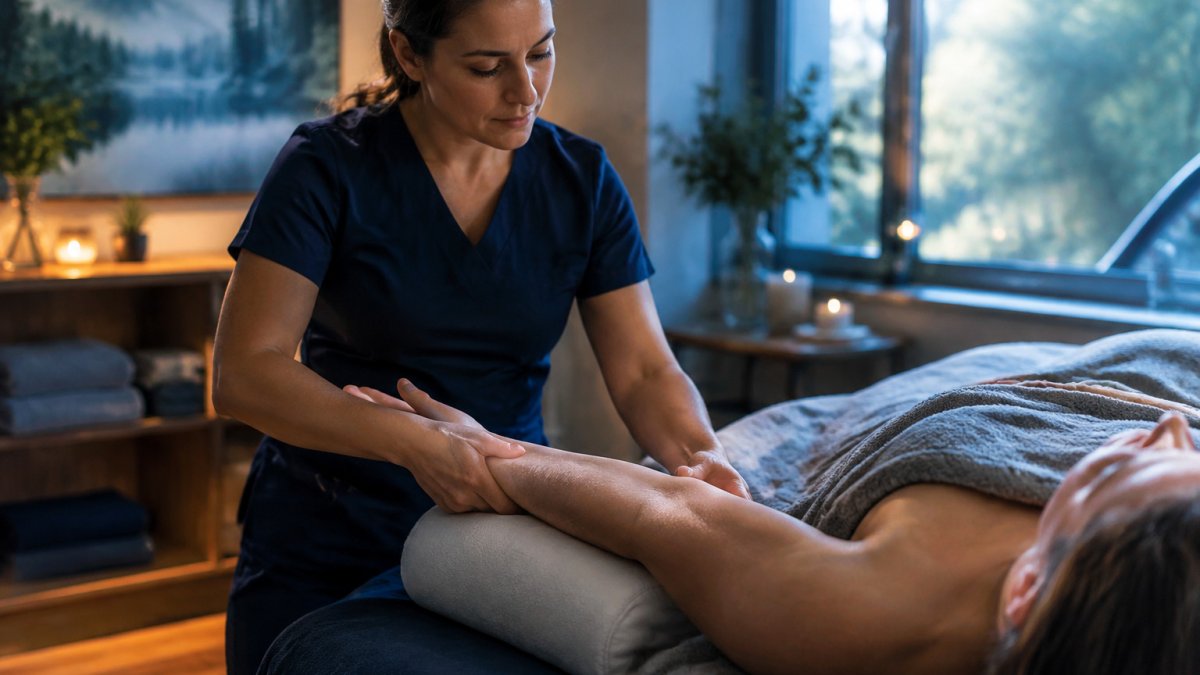
The difference matters after surgery because swelling is often the main complaint.
A sports massage might use firm pressure to break up knots in the calves, while a post-op lymphatic session uses featherlight contact to follow the direction the body moves fluid.
Massage After Surgery Risks and Red Flags to Watch For
Recovery massage carries real risks when done too early, too hard or without medical clearance. Most problems are avoidable, which is why the warning signs deserve attention before your first session and at every session after. The goal is to help you tell normal post-operative discomfort from something that needs a call to your surgical team.
Signs That Mean Stop and Call Your Surgeon
Stop the session and contact your surgeon the same day if you notice any of the following:
- Increasing redness, warmth or swelling around the incision, especially if it spreads
- Drainage, pus or an unusual odor from the wound
- Fever or chills
- Sudden pain that is different from your usual surgical discomfort
- Calf pain, swelling or tenderness in one leg, which can signal a clot and needs urgent medical care (the NHS)
- Shortness of breath or chest pain, which warrants emergency care rather than a routine call
Do not rely on a massage therapist to diagnose these signs. Your job is to recognize them and act. Tell your therapist immediately if anything changes during treatment, and do not return until your surgeon agrees.
Signs That Mean Pause and Recheck
Some findings are not emergencies but should pause bodywork until your surgeon or nurse reviews them: a small increase in swelling after a new activity, a stitch that feels tighter than usual, or a patch of numbness that has not changed.
Watch out: a therapist who pressures you to continue through new redness, heat or pain is overriding your surgical team's judgment. You are allowed to stop the session at any point.
Timing Risks Specific to Early Recovery
Early recovery is when risks concentrate. In the first days and weeks, incisions are still closing, drains may be in place, and anesthesia and pain medication can mask warning signs.
Blood thinners deserve a specific mention. If you take an anticoagulant or antiplatelet medication, tell your therapist before the session begins. Lighter pressure and extra caution around the surgical area are usually appropriate, but the decision belongs to your surgeon and the prescribing clinician.
What to Tell Your Therapist Before Every Session
A short pre-session check protects you and gives the therapist the information they need to adapt. Before each appointment, be ready to report:
Schedule your appointment today →
- Any new redness, warmth, drainage or odor at the incision
- Changes in swelling, including whether it is better or worse than last time
- New pain, numbness or tingling
- Any fever, chills or feeling unwell
- Medications started or stopped since the last visit, especially blood thinners
- Your surgeon's current restrictions on movement, weight-bearing or positioning
If you cannot answer these questions confidently, reschedule. A missed appointment costs less than a setback.
When Massage Is the Wrong Tool
Massage is not appropriate for every recovery. Postpone or skip it when there is an active infection, an open or draining wound, an unexplained fever, a suspected clot, or a complication your surgeon is still evaluating. It is also not a treatment for fluid retention caused by heart, kidney or liver problems. In those situations, call your care team rather than booking.
Post-Surgical Scar Massage: Timing, Technique, and Expectations
Scar massage is generally described as aiming to keep the tissue around a healed incision soft and mobile. Our guide to treating fibrosis after surgery walks through safe steps and when to seek help.
Technique is gentle: slow pressure, small circular movements or stretching along the scar's direction. Results vary widely with scar depth, skin type, the surgery and how consistently you continue care at home.
Set realistic expectations. Massage may help a scar feel and move more comfortably, but it cannot erase it.
Recovery Timelines by Surgery Type and Procedure-Specific Positioning
Timelines differ by procedure, so treat the ranges below as conversation starters, not instructions. Your surgeon's plan always overrides them. The useful way to think about timing is in healing stages rather than calendar days, because two patients on the same day after the same operation can be in different stages.
Healing Stages, Not Just Dates
Most practitioners separate recovery into three broad stages. Early: the incision is closing and swelling peaks; massage is usually limited to what your surgeon explicitly approves, often light lymphatic work away from the incision. Middle: incisions are typically closed and clearance is more common; scar work and gentle mobility work may begin. Later: tissue is remodeling and the focus shifts to scar mobility, range of motion and returning to activity.
Procedure-Specific Adaptations
The table below pairs common procedures with the focus areas and positioning adaptations therapists typically plan for once clearance is given. It is not a schedule, and it does not replace your surgeon's instructions.
| Procedure type | Typical focus | Common adaptation |
|---|---|---|
| Abdominal surgery | Core guarding, incision care | Support the body with pillows, avoid pressure on the midsection, keep the hip and chest supported so the abdomen is not stretched |
| Knee replacement | Swelling and mobility | Work above and around the joint as cleared, avoid direct pressure on the surgical site, follow weight-bearing restrictions |
| Hip replacement | Swelling, muscle guarding | Position with pillows to respect hip precautions, avoid forced rotation, confirm any movement limits with the surgeon |
| Breast surgery | Chest tightness, scar mobility | Use side-lying or supported positions, keep pressure light, avoid the axillary area if lymph nodes were removed unless cleared |
| Shoulder surgery | Stiffness, compensation | Support the arm in a neutral position, avoid end-range movement, coordinate with physical therapy |
| Orthopedic procedures | Limb swelling, muscle compensation | Position the limb with support, follow weight-bearing and bracing restrictions |
| Cesarean delivery | Abdominal scar, core comfort | Side-lying or semi-reclined positions, avoid direct pressure on the incision, coordinate with obstetric care |
Positioning is part of safety. Because compression garments can affect comfort and pressure around healing areas, discuss whether using compression gear is appropriate for your session and how it fits with your surgeon’s instructions.
Pressure and Treatment Areas
Pressure after surgery is usually lighter than clients expect. The therapist may spend more time on the tissue above and below the surgical area than on the area itself, and may avoid the incision entirely until it is fully closed and cleared. Direct scar work, when it begins, tends to be slow and specific rather than broad and firm. If a session feels like a deep-tissue massage on or near the surgical site, that is a signal to speak up.
Realistic Expectations and Evidence Quality
Massage is best understood as comfort and function support, not a healing accelerator. Some people report that gentle massage can ease muscle guarding and make moving feel more comfortable.
Watch out: a timeline that promises a specific number of sessions to "fix" a scar or swelling is a sales pitch, not clinical guidance. Your surgeon sets the schedule, and your body sets the pace.
Coordinating With Your Physical Therapist
If you are in physical therapy, tell your PT you are considering massage and tell your massage therapist what your PT is working on. The two should not compete. Some people schedule massage on a different day from demanding PT sessions so they can tell which treatment affects their symptoms. Bring your PT's restrictions to the massage appointment, and the massage therapist's notes back to PT if anything changed.
Booking Your Recovery Massage Consultation in Hobart
If you are in Hobart and considering recovery massage, start with a consultation before scheduling a full session. Lavendura Massage & Bodywork offers Clinical Massage Therapy and tailors sessions to individual needs.
Bring your surgeon's clearance, a list of medications and any questions from the section above. Common practical questions are answered on the FAQ page. Be honest about your pain level, mobility and any warning signs.
Ready to talk it through? Schedule your appointment today.
Frequently Asked Questions
How long should you wait to get a massage after surgery?
There is no single waiting period that applies to everyone. Timing depends on the type of surgery, your healing progress, and your surgeon's guidance. Many people are told to wait until incisions have closed and their surgeon has cleared them, but that clearance differs case by case. Before booking any recovery massage, ask your surgeon directly whether it is appropriate for your specific procedure and stage of healing. A licensed massage therapist should also ask for that clearance before the first session.
Is lymphatic drainage massage safe after surgery?
Post-surgery lymphatic drainage massage is a gentle technique designed to encourage fluid movement through the lymphatic system. It is often considered after surgeon clearance, but it is not appropriate for everyone. People with certain conditions, such as blood clots, active infection, or some heart and kidney problems, may need to avoid it. Describe your surgery and medical history to both your surgeon and your therapist before any session, and stop and contact your care team if swelling, pain, or redness worsens.
What are the risks of massage after surgery?
Massage after surgery carries risks when it is started too early or applied too firmly. Possible concerns include irritation of a healing incision, bruising, increased swelling, and in rare cases, dislodging a blood clot. The risk depends heavily on the procedure and your individual health. Watch for fever, spreading redness, warmth around the incision, new leg swelling or pain, or shortness of breath, and seek medical care promptly if any of these appear. Massage should never replace medical evaluation.
When can you start scar massage after a surgical incision?
Scar massage is usually discussed once the incision has fully closed and your surgeon confirms the wound is stable. Some providers begin gentle work on the surrounding tissue earlier, but direct pressure on a fresh scar is generally avoided. Techniques, pressure, and timing vary depending on your healing. Ask your surgeon when scar massage is appropriate for your incision, and let your therapist know about any tenderness, raised tissue, or changes in color.