 ultimate-guide
Massage Therapy for Veterans: A Complete Guide
Table of Contents
- Why Massage Therapy Matters for Veterans
- VA Massage Therapy: Coverage and Access
- Types of Massage Therapy for Veteran Recovery
- Massage for Chronic Back Pain in Veterans
- Massage Therapy for PTSD and Mental Health
- Massage Therapy Safety and Contraindications for Veterans
- Finding a Qualified Massage Therapist Near You
- Conclusion
- Frequently Asked Questions
Last Updated: October 7, 2026
Why Massage Therapy Matters for Veterans
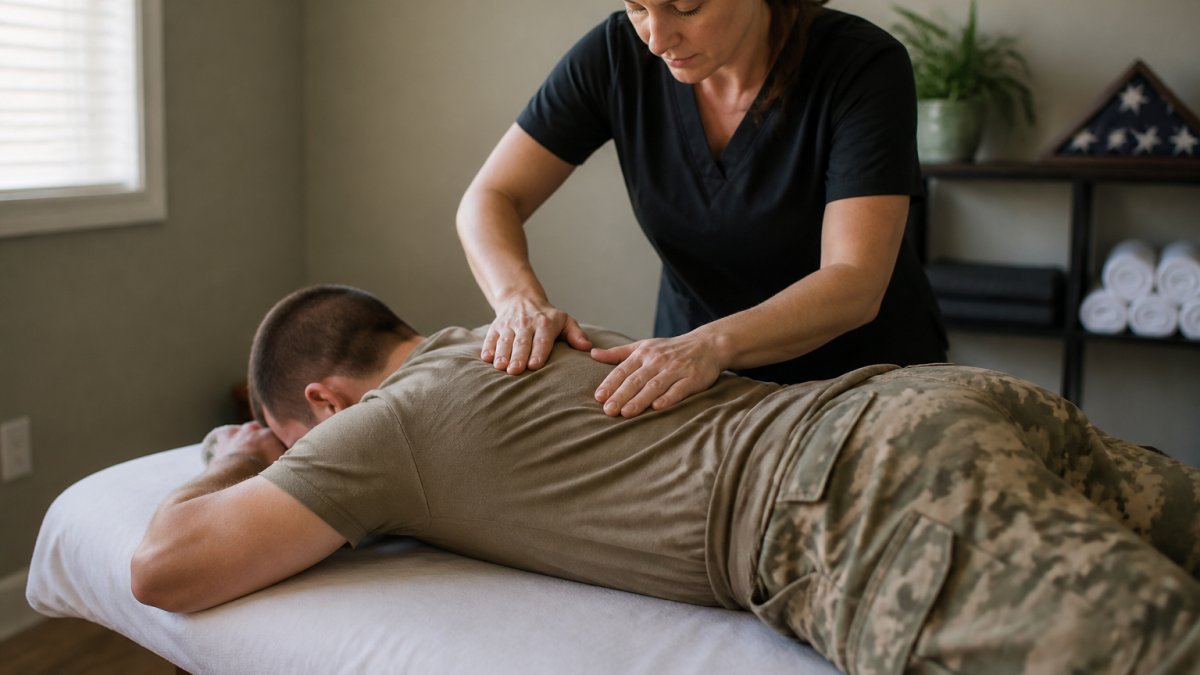
Massage therapy for veterans addresses far more than muscle tension. It's a clinical intervention that targets the specific physical and psychological wounds combat service leaves behind. Many veterans experience chronic pain, restricted mobility, and sleep disruption that conventional treatments alone don't resolve. At Lavendura Massage & Bodywork in Hobart, we work with veterans who've discovered that therapeutic massage can be the missing piece in their recovery strategy.
The connection between service-related injuries and chronic pain is direct. Veterans often carry tension patterns that reflect years of hypervigilance, repetitive strain from equipment and gear, or direct trauma. Massage therapy for veterans works by breaking those patterns, releasing muscular guarding, improving circulation to damaged tissue, and signaling the nervous system that the body is safe. This isn't relaxation theater. It's a physiological reset.
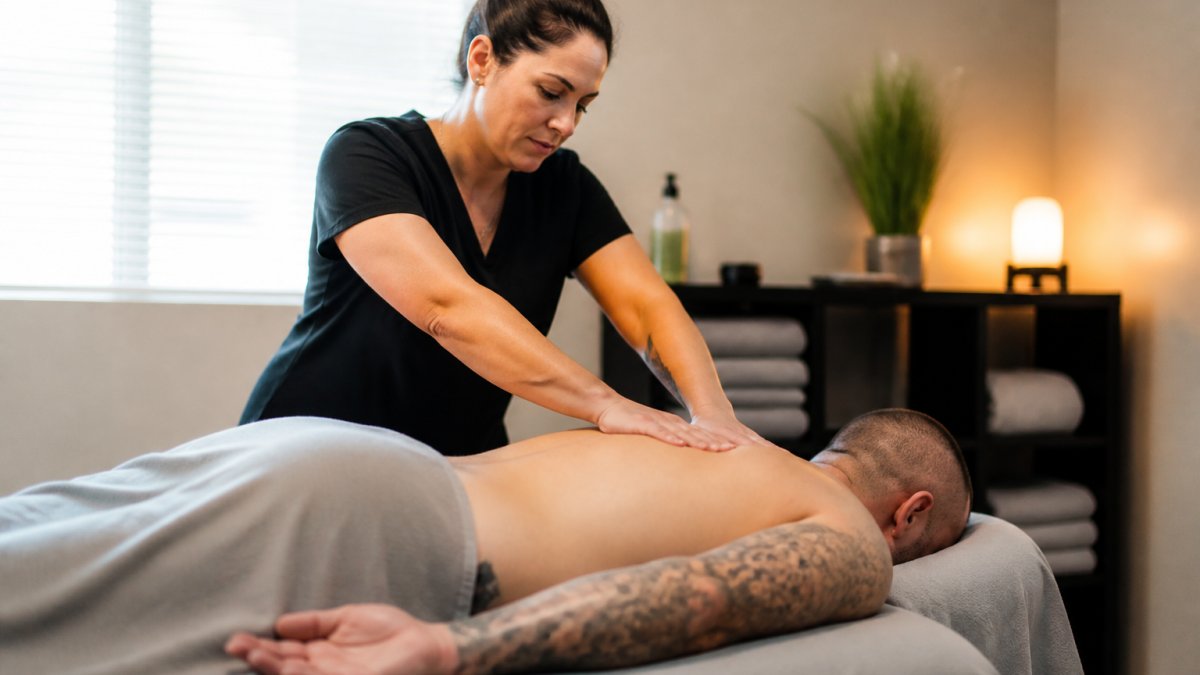
Beyond physical benefits, massage therapy for veterans addresses what many practitioners call "stuck trauma." The body holds onto fear and tension long after the mind consciously processes an experience. Skilled therapeutic massage can help release that stored tension, which is why many veterans report improved sleep, reduced anxiety, and better emotional regulation after consistent sessions.
VA Massage Therapy: Coverage and Access
The VA has expanded its recognition of massage therapy as a legitimate therapeutic modality. Many VA medical centers now offer or refer to massage therapy services as part of comprehensive pain management and mental health programs (Medical Massage Therapy). However, coverage varies significantly by facility and region, so the first step is to contact your local VA medical center to ask directly about availability.
If your VA facility doesn't offer on-site massage therapy, ask about referrals to community providers. Some VA systems have established partnerships with licensed massage therapists in their service areas. You can also ask your VA healthcare provider for a referral, which sometimes enables insurance coverage even when services aren't delivered at a VA facility.
For veterans seeking massage therapy for veterans care outside the VA system, several funding pathways exist. Some state veteran agencies offer wellness grants or reimbursement programs. The Veterans Health Identification Card (VHIC) holder status may qualify you for discounts at certain private clinics. Additionally, many nonprofit organizations focused on veteran wellness provide subsidized or free massage therapy sessions as part of their mission.
Types of Massage Therapy for Veteran Recovery
Not all massage therapy is the same, and veterans benefit from understanding which approaches address their specific needs. Therapeutic massage focuses on treating injured or painful tissue, using deeper pressure and targeted techniques.
Deep tissue massage applies sustained pressure to reach muscles and fascia beneath the surface, breaking up adhesions and scar tissue. Many veterans with service-related injuries find this essential, though it requires a skilled practitioner who understands pain thresholds and can communicate clearly about pressure levels. Trigger point therapy targets specific tight knots in muscle tissue, releasing them through sustained pressure. Veterans often respond well to this method because results are tangible and localized.
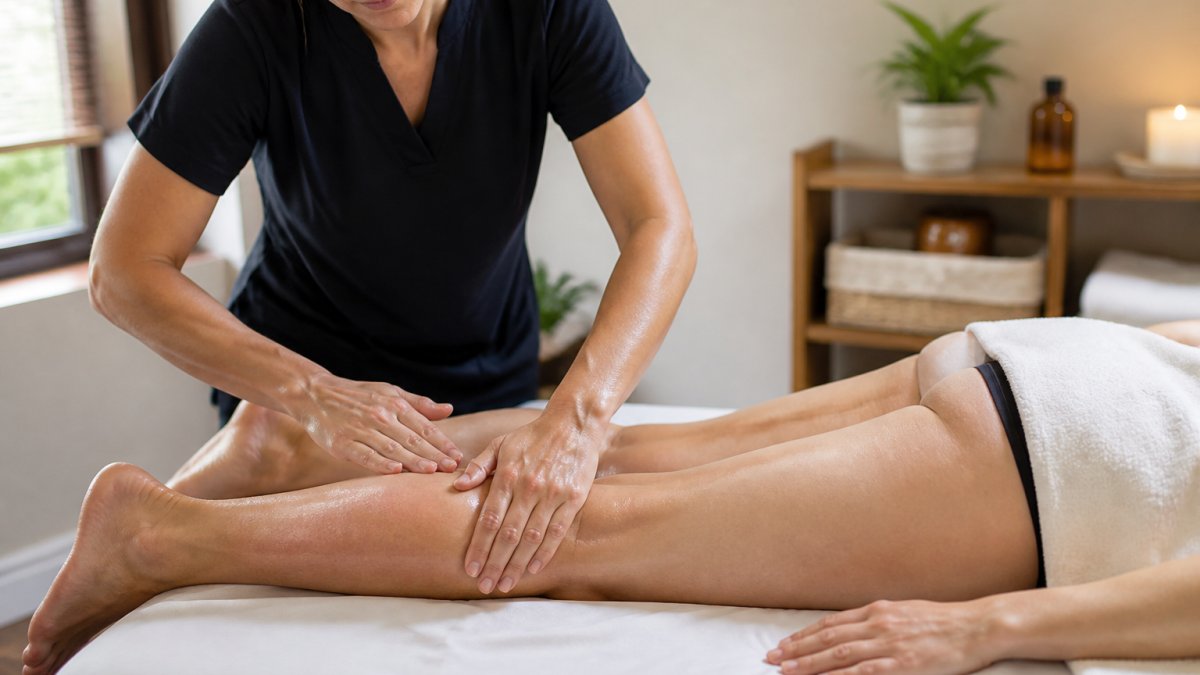
Manual lymph drainage is a specialized technique that supports the body's lymphatic system, particularly valuable for post-surgical recovery or swelling related to old injuries. This technique uses very light, rhythmic pressure and requires specific certification. At Lavendura Massage & Bodywork, we specialize in post-operative lymphatic drainage, which means we're trained to work with veterans during active recovery phases when other massage styles might be contraindicated.
Sports massage emphasizes athletic recovery and performance, using techniques that improve flexibility and reduce injury risk. Active veterans and those returning to physical training often benefit from this approach. Myofascial release addresses the connective tissue surrounding muscles, which commonly becomes restricted after trauma or prolonged tension. This technique can be transformative for veterans with widespread pain patterns.
Massage for Chronic Back Pain in Veterans
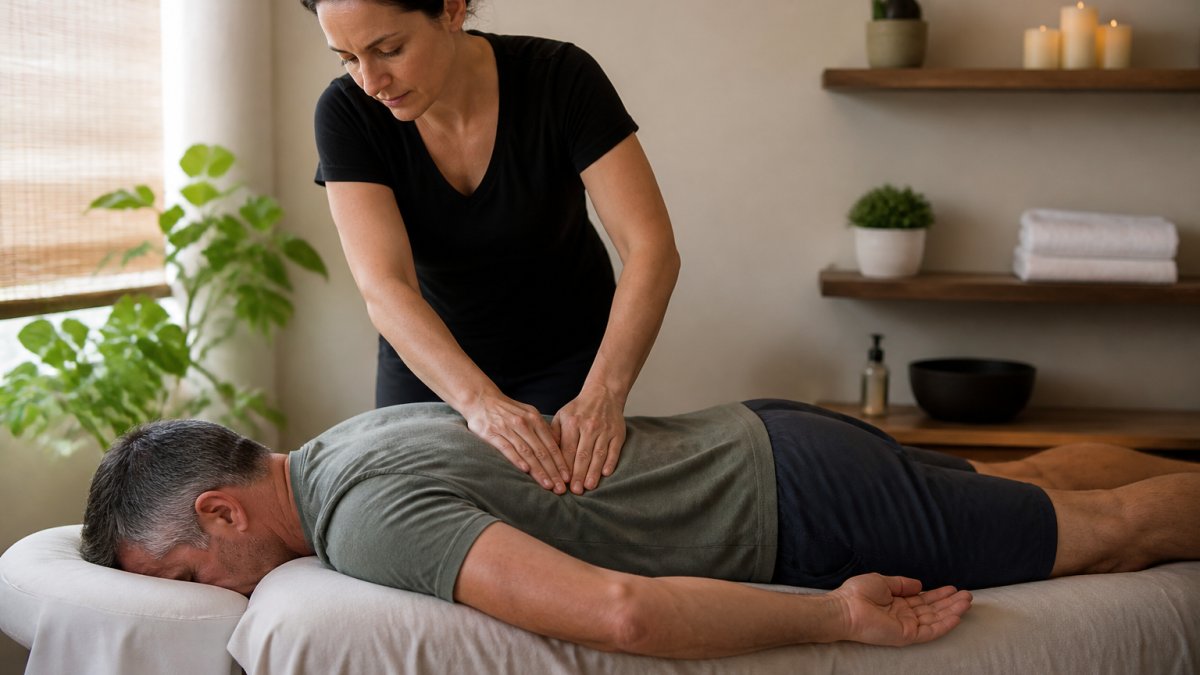
Chronic back pain is endemic among veterans. Whether from repetitive heavy lifting, explosive injury, or years of carrying combat gear, the lower back bears the cumulative load of military service. Massage therapy for veterans with chronic back pain works through multiple mechanisms: releasing muscular guarding that restricts movement, improving blood flow to support tissue healing, and breaking the pain-tension cycle that perpetuates chronic conditions.
The lower back often develops compensation patterns, surrounding muscles tighten to protect an injured area, but that tightness itself becomes a source of pain. Therapeutic massage addresses both the primary injury site and the compensatory tension. A skilled therapist will assess your movement patterns and pain triggers, then use targeted techniques to release the muscles that are working overtime.
Many veterans find that massage therapy for chronic back pain works best as part of a coordinated approach. Combine it with prescribed physical therapy, core strengthening, and proper body mechanics. Massage alone rarely resolves chronic back pain, but it removes a major barrier to recovery by reducing pain enough that other interventions become possible.
The frequency matters. Weekly or biweekly sessions tend to produce better outcomes than occasional appointments. This consistency allows the nervous system to recognize that relief is possible and allows muscular patterns to genuinely shift rather than reverting to old habits between sessions.
Massage Therapy for PTSD and Mental Health
The connection between massage therapy and PTSD recovery isn't purely psychological, it's neurobiological. Trauma alters the nervous system's baseline state, keeping it in a heightened alert condition even when no threat exists. Massage therapy for PTSD works by activating the parasympathetic nervous system, the body's "rest and digest" mode. This directly counters the hypervigilance that defines PTSD.
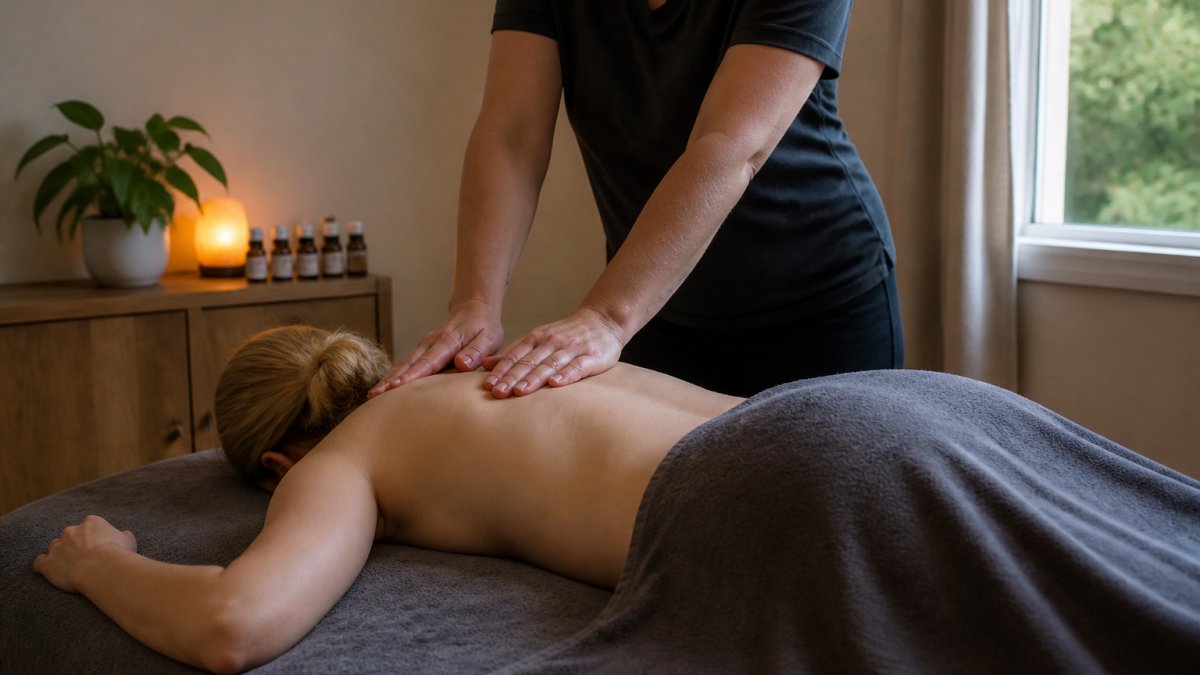
Touch itself can be triggering for trauma survivors, which is why finding a therapist experienced with veterans is critical. A qualified practitioner will move slowly, communicate constantly, and allow you to maintain control over the session. You can stop at any time, adjust pressure, or skip certain areas. This restoration of agency, the ability to say no and have that respected, is therapeutic in itself.
Schedule your appointment today →
Many veterans report that massage therapy for PTSD produces measurable improvements in sleep quality, anxiety levels, and emotional regulation. The mechanism is partly physiological: massage reduces cortisol (stress hormone) and increases serotonin and oxytocin (neurotransmitters associated with calm and connection). It's also partly experiential: the experience of being touched safely, with full control, can gradually reprogram the nervous system's threat response.
Massage works best for PTSD when combined with other evidence-based treatments like trauma-focused therapy. It's not a replacement for professional mental health care, but many veterans find it an essential complement. Some VA mental health programs now incorporate massage as part of comprehensive PTSD treatment protocols.
Massage Therapy Safety and Contraindications for Veterans
Massage therapy is generally safe, but certain conditions require caution or modification. If you have active infection, fever, or contagious skin conditions, postpone massage until resolved. Recent surgery or acute injuries may require waiting for initial healing before deep work is appropriate. However, specialized techniques like manual lymph drainage can actually support post-operative recovery when applied correctly by a certified practitioner.
Veterans with blood clots, thrombosis, or significant cardiovascular disease should discuss massage with their physician first. Deep pressure or certain techniques can potentially dislodge clots or stress the system. Similarly, if you're on blood thinners, inform your therapist, they'll adjust pressure and avoid techniques that might cause bruising.
Skin conditions, open wounds, or areas of severe inflammation should be worked around. A qualified therapist will assess these during your consultation and modify the session accordingly. If you have neuropathy (nerve damage), communicate this clearly, your therapist may use different pressure levels or techniques to avoid triggering pain.
Never hesitate to speak up during a session. If pressure is too deep, if you feel unsafe, or if a particular area becomes uncomfortable, stop the therapist immediately. A professional will welcome this feedback. Your comfort and safety are the foundation of an effective session.
Finding a Qualified Massage Therapist Near You
Start by verifying credentials. A qualified massage therapist should hold a current state license, in Indiana, that's an LMT (Licensed Massage Therapist) credential. Beyond basic licensure, look for additional certifications relevant to your needs. If you're seeking massage therapy for PTSD or trauma, ask whether your therapist has specific training in trauma-informed care. For post-operative recovery, certification in manual lymph drainage (MLD-C) or medical massage (MMP) indicates specialized expertise.
In Hobart and the surrounding Northwest Indiana area, Lavendura Massage & Bodywork offers specialized services for veterans. Our practitioner is board-certified (BCTMB) and holds multiple certifications including medical massage (MMP) and manual lymph drainage (MLD-C). We also understand veteran-specific needs from lived experience, our practitioner is a Marine Corps veteran who brings that perspective to every session.
Ask potential therapists about their experience with veterans specifically. Not all massage therapists understand service-related injuries, PTSD responses, or the specific communication preferences many veterans have. A therapist experienced with this population will anticipate needs and adjust their approach accordingly.
Consider whether mobile services work for you. If mobility is limited or you prefer treatment at home, Lavendura Massage & Bodywork provides mobile massage therapy for veterans throughout the Chicagoland and Northwest Indiana regions. This eliminates travel barriers and allows you to recover in your own space.
Conclusion
Massage therapy for veterans addresses the physical and neurological aftermath of military service in ways that conventional approaches often miss. Whether you're managing chronic pain, recovering from surgery, or working through PTSD, therapeutic massage offers a clinical pathway to relief that many veterans haven't yet explored.
The first step is reaching out to your VA facility or a qualified local provider. If you're in the Hobart or Chicagoland area, Lavendura Massage & Bodywork specializes in exactly this work. We offer customized therapeutic massage, board-certified expertise in manual lymph drainage for post-operative recovery, and mobile services so you can access care without barriers. Schedule your appointment today and discover how specialized massage therapy can accelerate your recovery and restore your quality of life.
Frequently Asked Questions
Can veterans get massage therapy through the VA?
The VA recognizes massage therapy as a complementary health service. Eligibility and coverage vary by VA facility and individual veteran circumstances. Contact your local VA medical center to confirm whether massage therapy is available as part of your benefits package. Some VA facilities offer it directly, while others may provide referrals to approved providers. Your VA healthcare team can discuss whether massage therapy is appropriate for your specific health needs.
How can massage therapy help with PTSD symptoms?
Massage therapy for PTSD works by reducing physical tension, lowering stress hormones, and promoting relaxation through touch. Many veterans report that therapeutic massage helps decrease hypervigilance, improves sleep quality, and reduces anxiety. A qualified massage therapist experienced with trauma-informed care can create a safe, controlled environment that respects personal boundaries. Always inform your therapist about your PTSD diagnosis so they can adjust their approach and communicate clearly throughout the session.
What should I tell my massage therapist before my first session?
Share your complete medical history, including service-related injuries, chronic conditions, current medications, and any surgeries. Mention specific areas of pain or tension, as well as any trauma history or PTSD if you're comfortable doing so. Tell your therapist about previous massage experiences and your comfort level with pressure and touch. Discuss any contraindications or health concerns that might affect your treatment. This information helps your therapist customize the session for your safety and maximum benefit.
Is massage therapy safe for veterans with chronic pain conditions?
Therapeutic massage is generally safe for veterans with chronic pain when performed by a qualified, licensed massage therapist. However, certain conditions require modified techniques or may contraindicate massage entirely. Consult your healthcare provider before starting massage therapy, especially if you have recent injuries, blood clots, severe osteoporosis, or skin infections. A board-certified therapist will screen for contraindications and adjust pressure and techniques to protect your health while providing therapeutic benefit.