 Ultimate guide
7 Non-Drug Alternatives to Medication for Chronic Pain Relief
Last Updated: November 10, 2026
Quick Summary
The most commonly used alternatives to medication for chronic pain relief include physical therapy with graded exercise, massage therapy, mind-body approaches such as cognitive behavioral therapy and mindfulness, and complementary options like acupuncture, yoga, and tai chi. These approaches often work best combined into a plan tailored to your condition, with benefits that are usually moderate and build gradually.
- Physical therapy builds strength and endurance through targeted exercise and graded exposure to movement.
- Pacing breaks activity into shorter bouts with planned rest, helping avoid pushing through flares.
- Massage can ease muscle tension and support relaxation, but it does not cure the underlying condition.
- Mind-body approaches like CBT and mindfulness usually need practice over several weeks to help.
- Report sharp, radiating, or escalating pain, or numbness or weakness, to your therapist and physician before continuing.
Table of Contents
- Why Look Beyond Medication for Chronic Pain
- What the Evidence Says About Non-Drug Pain Management
- Physical Therapy and Therapeutic Exercise
- Massage Therapy for Chronic Pain: What It Can and Cannot Do
- Mind-Body Approaches: Mindfulness, CBT, and Guided Imagery
- Acupuncture, Yoga, Tai Chi, and Other Complementary Options
- Safety, Cost, and Choosing a Provider Near You in Hobart, IN
- Booking a Consultation to Build Your Pain Plan
- Frequently Asked Questions
Chronic pain affects a large share of American adults, and many of them want to reduce how much they rely on medication. A growing body of evidence supports several non-drug approaches. At Lavendura Massage & Bodywork, we work with clients in the Hobart and Northwest Indiana area who are looking for these kinds of options, so this guide walks through practical alternatives to medication for chronic pain relief and explains what each can and cannot do.
The National Center for Complementary and Integrative Health describes evidence suggesting that some complementary approaches may be useful for chronic pain, though the strength of that evidence varies by approach NCCIH overview of chronic pain and complementary health approaches. Alternatives to medication for chronic pain relief work best as part of a plan, not as a single fix.
Why Look Beyond Medication for Chronic Pain
Medication is often the first tool used for chronic pain, but it is rarely the only one. Nonopioid drugs such as acetaminophen, NSAIDs, and certain antidepressants are commonly used, and the CDC lists them among the nonopioid options for subacute and chronic pain CDC guidance on nonopioid therapies for pain management. The right choice depends on the condition and the person.
Many people look for alternatives to medication for chronic pain relief because they want fewer side effects, want to limit how much they take, or simply want to add tools that address pain from another angle. Non-drug options such as physical therapy, massage, and mind-body practices address movement, muscle tension, and the stress that often amplifies pain.
What the Evidence Says About Non-Drug Pain Management
A review of nonpharmacological approaches to chronic pain reports that evidence supports considering these interventions alongside, or in some cases instead of, medication management SAGE Journals review of alternatives to medications for chronic pain. The same body of work notes that the benefits are often moderate, so expectations should be realistic.
Clinicians often describe this as a multimodal approach: combining several non-drug strategies rather than relying on one. Integrative health researchers have also studied acupuncture, cognitive behavioral therapy, and mindfulness-based techniques for pain management NIH MedlinePlus Magazine on integrative health research and pain. Progress tends to be gradual, and a provider can help you track whether a given approach is helping.
Physical Therapy and Therapeutic Exercise
Physical therapy is one of the commonly used alternatives to medication for chronic pain relief. A physical therapist assesses how you move, identifies what is limiting function, and builds a program of targeted exercise and movement training. The goal is functional restoration: improving strength, range of motion, and endurance so daily activities hurt less.
Therapeutic exercise is the core of most programs. A typical plan combines range-of-motion work, progressive strengthening, and graded exposure to movements you have been avoiding. Graded exposure means starting with a version of the movement you can tolerate and adding difficulty in small steps, rather than waiting for pain to disappear before moving. Pacing is the companion skill: breaking activity into shorter bouts with planned rest instead of pushing through a flare.
The plan should change over time as your tolerance improves. Expect a reassessment every few weeks, with exercises progressed, regressed, or swapped based on how you respond. If a movement consistently worsens symptoms, that is information for your therapist, not a reason to quit the program.
Watch out: sharp, radiating, or escalating pain during exercise, especially pain that travels down a limb or comes with numbness or weakness, should be reported to your therapist and physician before you continue, because it can signal nerve involvement rather than normal muscle soreness.
Physical therapy is also a practical entry point for the rest of a non-drug plan. A therapist can tell you whether massage, yoga, or tai chi fits your current stage, and can coordinate with your primary care team. When looking for a provider, ask whether a referral is required by your plan before you book.
The article outlines the core parts of a physical therapy plan for chronic pain, summarised below.
| Component | What it involves | Key point |
|---|---|---|
| Functional assessment | Therapist assesses how you move | Identifies what limits function |
| Therapeutic exercise | Range-of-motion, strengthening, graded exposure | Builds strength and endurance gradually |
| Graded exposure | Start with a tolerable version of a movement | Add difficulty in small steps |
| Pacing | Break activity into shorter bouts with planned rest | Avoids pushing through flares |
| Reassessment | Review progress every few weeks | Exercises are progressed, regressed, or swapped |
| Warning signs | Sharp, radiating, or escalating pain, numbness, or weakness | Report to therapist and physician before continuing |
Massage Therapy for Chronic Pain: What It Can and Cannot Do
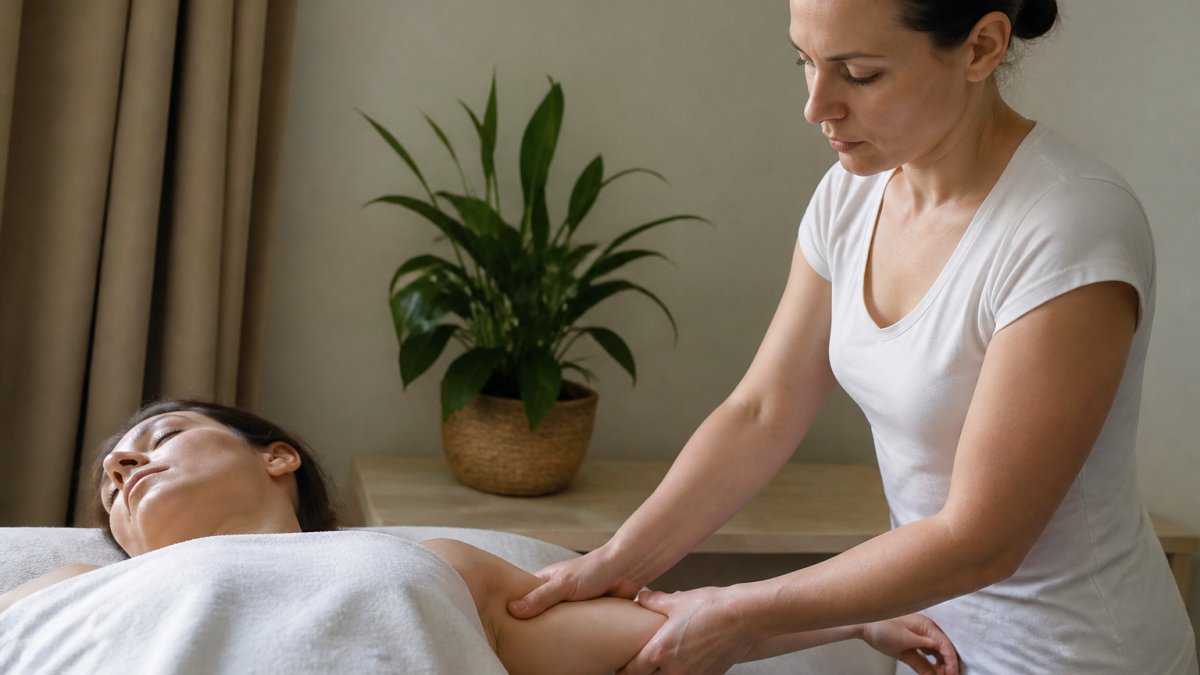
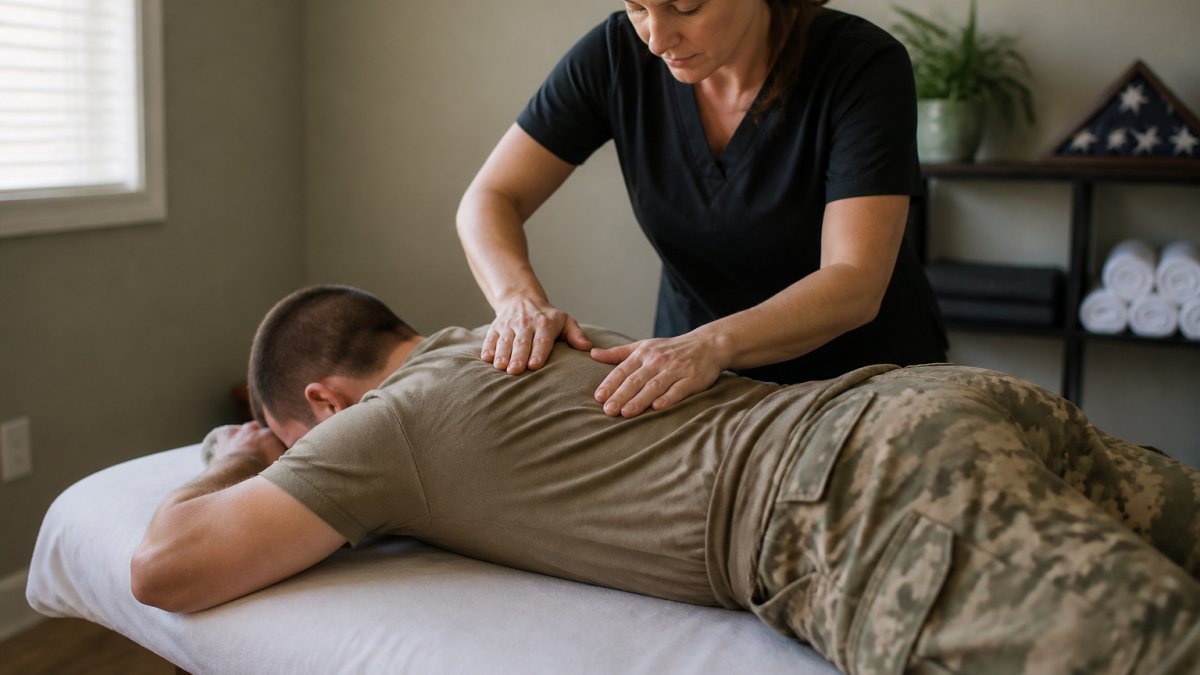
Massage therapy can ease muscle tension, improve comfort, and support relaxation, which many people find helpful for chronic pain. Our guide on whether massage is worth it for chronic pain walks through what the evidence suggests and what to realistically expect. It is most useful as part of a broader plan. It is not a cure for the underlying condition, and results vary from person to person. For specifics on one common condition, see our massage for chronic back pain guide.

A good massage session often begins with a conversation about your history, goals, and any contraindications. If you have a recent surgery, an acute injury, or a medical condition, check with your physician before booking. Post-operative lymphatic drainage, for example, requires specific training and clearance from your care team.
Mind-Body Approaches: Mindfulness, CBT, and Guided Imagery
Pain is influenced by attention, stress, and sleep, which is why mind-body approaches are a valuable part of many plans. Cognitive behavioral therapy helps people change the thoughts and behaviors that amplify pain. Mindfulness meditation and guided imagery teach skills for noticing pain without being overwhelmed by it.
These approaches usually require practice over several weeks. Starting with a few minutes a day and building up is a practical way to begin.
Acupuncture, Yoga, Tai Chi, and Other Complementary Options
Acupuncture, yoga, and tai chi are among the complementary options people most often explore, and each works through a different mechanism, so it helps to consider them separately rather than as a single category.
Acupuncture involves thin needles placed at specific points. Evidence varies by condition, and results for different chronic pain conditions are mixed. Ask a licensed acupuncturist about their state licensure, their training, and how many sessions they typically recommend before you decide whether it is working. Ask your provider about safety practices, and disclose blood-thinning medications and any bleeding disorders beforehand.
Yoga and tai chi combine gentle movement, balance work, and breath awareness, which can support mobility and reduce fear of movement. Both are low-impact and can be adapted with props, chairs, or shorter standing periods. Look for instructors who have experience with chronic pain or who offer modified or chair-based classes, and tell them about your condition before the first session.
Watch out: in yoga especially, positions that involve deep spinal flexion, prolonged forward bends, or unsupported twists can aggravate certain back and neck conditions, if a pose produces radiating pain, stop and ask the instructor for a modification rather than pushing through it. When a pose aggravates pain, adapting movement and considering other gentle ways to ease joint discomfort can help keep self-care manageable, with Midori Wellness offering another perspective on natural relief.
Other complementary options in this group include chiropractic care and biofeedback, which are best treated as additions to a plan rather than replacements for it. When considering any complementary option, ask a licensed provider about qualifications, expected timeline, cost per session, and whether it fits with your current treatment, and tell your primary care team what you are trying, so everyone involved in your care stays informed.
Safety, Cost, and Choosing a Provider Near You in Hobart, IN
Safety starts with honest communication. Tell every provider about your medications, medical conditions, and any recent procedures. Tell every provider about your medications, medical conditions, and any recent procedures, and check with your physician first if you have a condition that may require medical clearance.
Costs vary, and insurance coverage differs by plan. Pricing depends on session length, the provider, and the setting. Our team at Lavendura Massage & Bodywork can explain how sessions are structured. For current pricing, visit our book a clinical massage consultation page, and check our frequently asked questions for answers on safety and what to expect.
When choosing a provider, look for licensing, relevant training, and a clear plan that includes communication with your primary care team. If you are looking for medical or post-operative massage in Northwest Indiana, verify credentials directly with the provider.
Booking a Consultation to Build Your Pain Plan
The most effective alternatives to medication for chronic pain relief are usually combined into a plan tailored to your condition, goals, and daily life. A consultation is the simplest first step. You can contact Lavendura Massage & Bodywork to ask questions and arrange a conversation about your options.
Bring a list of your current medications, your pain history, and the activities you want to get back to. Share this with your physician as well, so everyone involved in your care stays informed.
Frequently Asked Questions
Can physical therapy help relieve chronic pain?
Physical therapy is one of the most commonly recommended non-drug options for chronic pain. A therapist designs a program of therapeutic exercise, movement retraining and posture work aimed at improving physical function and reducing pain over time. Results vary by condition, and improvement usually builds over several weeks of consistent practice. Ask your doctor for a referral and discuss goals, expected timelines and any movements to avoid before starting.
Does massage therapy help with chronic pain?
Massage therapy can ease muscle tension and may provide short-term relief from some types of chronic pain, along with relaxation and improved sleep for many people. Its effects tend to be temporary, so it works best as part of a broader plan that includes movement and self-management. People with certain conditions, recent surgery or blood-clotting concerns should check with their physician before booking. A licensed therapist can adapt pressure and technique to your needs.
What alternatives to opioids are used for chronic pain?
Nonopioid options include both non-drug therapies and some medications. The CDC lists nonopioid medications such as topical and oral NSAIDs, acetaminophen, and certain antidepressants for subacute and chronic pain. Non-drug choices include physical therapy, acupuncture, massage, mindfulness-based approaches and exercise. The right option depends on your condition and health history, so review them with your prescriber rather than changing medication on your own.
How do I choose an evidence-based pain management approach?
Start with a clear diagnosis and a conversation with your primary care provider about what has and has not helped. Look for approaches supported by research from sources such as the National Center for Complementary and Integrative Health, and ask providers about their training and credentials. Combining options, such as movement therapy with stress-reduction techniques, is common. Track your pain intensity and daily function over time to judge whether an approach is working.