 Comparison
How to Choose Between Lymphatic Drainage and Deep Tissue Massage
Last Updated: October 26, 2026
Quick Summary
Lymphatic drainage vs deep tissue massage serve different purposes: lymphatic drainage uses gentle pressure to reduce post-operative swelling and support fluid movement, while deep tissue massage applies firm pressure to release chronic muscle tension and adhesions. Choose lymphatic drainage for acute recovery and swelling, and deep tissue massage for long-standing muscle pain and limited mobility.
- Lymphatic drainage sessions typically last 30 to 60 minutes using light, repetitive strokes following lymphatic flow patterns.
- Deep tissue massage breaks up adhesions and releases trigger points using sustained firm pressure to improve circulation.
- Start lymphatic drainage within the first few days after surgery or injury for best results.
- Deep tissue massage is appropriate after the acute recovery phase resolves, not immediately after surgery.
- Many people benefit from both techniques at different stages, using lymphatic drainage first, then transitioning to deep tissue.
Table of Contents
- Understanding Lymphatic Drainage vs Deep Tissue Massage
- What to Expect From Lymphatic Drainage Massage
- Deep Tissue Massage Benefits and Risks
- When Lymphatic Drainage Works Best
- When Deep Tissue Massage Is the Right Choice
- Which Massage Should I Choose for Your Needs
- Schedule Your Therapeutic Massage Appointment
- Frequently Asked Questions
Understanding Lymphatic Drainage vs Deep Tissue Massage
Choosing between lymphatic drainage vs deep tissue massage depends on your specific health needs and recovery goals. Both techniques offer distinct benefits, but they work in fundamentally different ways. At Lavendura Massage & Bodywork, we help clients in Hobart and throughout Northwest Indiana understand which approach suits their situation best.
Lymphatic drainage uses gentle, rhythmic pressure to stimulate the lymphatic system, which removes fluid and waste from tissues. Deep tissue massage applies sustained, firm pressure to release tension in deeper muscle layers. The difference matters because they address different problems. Someone recovering from surgery needs lymphatic drainage. Someone with chronic muscle tension typically benefits more from deep tissue work.
The choice isn't about which technique is "better", it's about matching the right tool to your actual problem. Many people waste time and money trying the wrong approach because they don't understand what each one does. Understanding the difference between lymphatic drainage and deep tissue massage helps you make an informed decision about your care.
What to Expect From Lymphatic Drainage Massage
Lymphatic drainage massage is a specialized technique that uses light, repetitive strokes to encourage fluid movement through your lymphatic system. The pressure is intentionally gentle, typically lighter than a Swedish massage. Your therapist moves in specific patterns that follow the direction of lymphatic flow, helping your body reduce swelling and eliminate waste more efficiently.
Sessions typically last 30 to 60 minutes. You'll notice your therapist uses slow, rhythmic movements rather than the deeper pressure you might feel with other massage types. The pace and gentleness are not limitations, they're the technique itself. This approach works because it's specifically designed to activate your lymphatic system without overwhelming it.
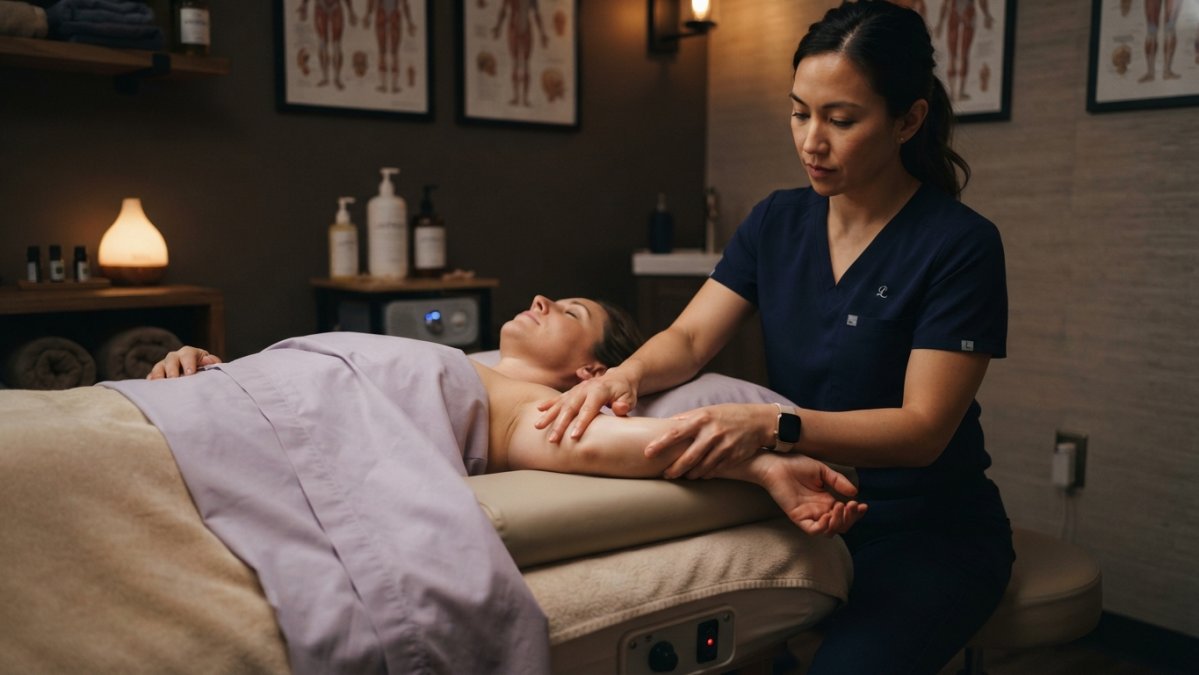
Lymphatic drainage is particularly valuable for post-operative patients. After surgery, fluid accumulates in tissues, causing swelling and discomfort. Research has shown that systematic reviews of manual lymphatic drainage therapy support its effectiveness in managing post-surgical swelling when combined with other therapeutic approaches. If you're only a few days post-op and swelling is increasing, lymphatic drainage can help prevent complications and speed your recovery.
You can learn more about the specific benefits of lymphatic drainage massage to understand how this technique addresses your particular situation. Many clients find that combining lymphatic drainage with compression garments and elevation can support their recovery.
Deep Tissue Massage Benefits and Risks
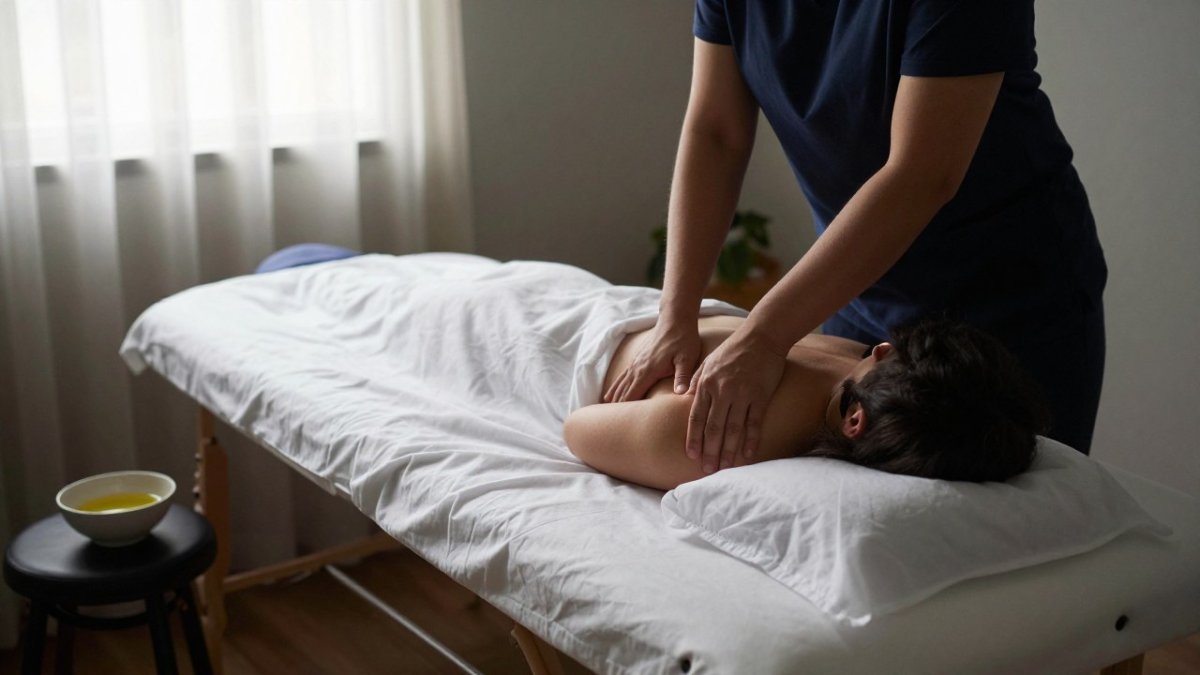
Deep tissue massage targets the deeper layers of muscle and connective tissue using sustained, firm pressure. This technique breaks up adhesions, areas where muscle fibers have stuck together, and releases chronic tension that lighter massage cannot reach. It's the go-to choice for people with long-standing muscle pain, tightness, or limited mobility.
The benefits are significant for the right conditions. Deep tissue work improves circulation to affected areas, which brings oxygen and nutrients to damaged tissue. It reduces pain by releasing trigger points, tight knots within muscles that refer pain to other areas of your body. Many athletes, factory workers, nurses, and office workers rely on deep tissue massage to maintain function and prevent injuries from repetitive strain.
The risks are minimal when performed by a qualified therapist, but they exist. Deep pressure can cause temporary soreness, similar to the feeling after a challenging workout. Some people experience bruising if their tissues are particularly sensitive. The key is communicating with your therapist about pressure preferences and any areas of concern. A skilled practitioner adjusts intensity based on your feedback.
Explore how deep tissue massage addresses chronic back pain to see whether this technique matches your needs. The approach works best for people with established muscle tension, not for acute post-operative swelling or conditions requiring gentle lymphatic support.
When Lymphatic Drainage Works Best
Lymphatic drainage excels in specific situations where gentle stimulation of fluid movement matters more than deep pressure. Post-operative recovery is the clearest example. In the first weeks after surgery, your body is managing inflammation and fluid accumulation. Lymphatic drainage helps your system process this fluid more efficiently, reducing swelling and supporting healing.
Lymphatic drainage also helps people with lymphedema, a condition where fluid accumulates in tissues due to damage to the lymphatic system. It supports immune function by encouraging lymph circulation, which carries white blood cells throughout your body. People recovering from injuries, managing chronic swelling, or dealing with conditions that affect lymphatic function may find it beneficial.
Athletes sometimes use lymphatic drainage between intense training sessions to support recovery. The technique is also valuable for people with fibromyalgia or other conditions where deep pressure causes pain. In Hobart and surrounding areas, clients recovering from orthopedic procedures frequently choose lymphatic drainage as part of their rehabilitation protocol.
The timing matters. Lymphatic drainage can be beneficial when started early in recovery, ideally within the first few days after surgery or injury. Waiting weeks before beginning treatment may make the process longer.
Schedule your appointment today →
When Deep Tissue Massage Is the Right Choice
Deep tissue massage is the answer when chronic muscle tension, adhesions, or limited mobility is your primary problem. If you've had pain for months or years, or if you have specific areas of tightness that limit your movement, deep tissue work addresses the underlying issue rather than just managing symptoms.
Occupational demands drive many people to deep tissue massage. Factory workers dealing with repetitive strain, nurses managing pain from lifting and bending, hairstylists with shoulder and neck tension, and office workers with postural problems all benefit from the sustained pressure deep tissue provides. The technique breaks patterns of tension that lighter massage cannot touch.
Deep tissue also works well for athletes and active individuals managing training-related soreness or preventing injuries. Regular deep tissue sessions can help maintain muscle health. Many active people in the Hobart area schedule monthly deep tissue massage as preventive maintenance rather than waiting until pain becomes severe.
The wrong time for deep tissue is immediately after surgery or injury. Deep pressure can increase inflammation and swelling during acute recovery phases. It's also not the best choice if you have conditions like active lymphedema, certain skin conditions, or if you're on blood thinners, your therapist will screen for these contraindications during your consultation.
Which Massage Should I Choose for Your Needs
Start by identifying your primary goal. Are you recovering from surgery or managing acute swelling? Choose lymphatic drainage. Is chronic muscle tension or limited mobility your main problem? Deep tissue massage is more appropriate. Your answer to this single question eliminates most confusion.
Consider your timeline. Post-operative patients benefit most from lymphatic drainage in the first 4-6 weeks of recovery. After that, as swelling resolves and you regain mobility, deep tissue massage can help restore full function. Some people benefit from both techniques at different stages of recovery.
Think about your pain tolerance and sensitivity. Lymphatic drainage is gentler and appropriate for people who find deep pressure uncomfortable or who have conditions where firm pressure causes problems. Deep tissue requires comfort with sustained firm pressure and temporary soreness as part of the healing process.
| Consideration | Lymphatic Drainage | Deep Tissue Massage |
|---|---|---|
| Best for | Post-op recovery, swelling, lymphedema | Chronic tension, adhesions, muscle pain |
| Pressure level | Very light and gentle | Firm and sustained |
| Typical duration | 30-60 minutes | 60 minutes |
| Recovery feel | Minimal soreness | Possible temporary soreness |
| When to start | Within first few days of injury/surgery | After acute phase resolves |
| Frequency | 1-2 times weekly during recovery | 1-2 times monthly for maintenance |
Your specific situation may benefit from both. Many people use lymphatic drainage during acute recovery, then transition to deep tissue massage as healing progresses and they need to restore muscle function and mobility.
Schedule Your Therapeutic Massage Appointment
The best way to determine which approach suits your needs is to consult with a qualified therapist who can assess your specific situation. Schedule your massage appointment with our Board Certified Licensed Massage Therapist. At Lavendura Massage & Bodywork in Hobart, we specialize in both lymphatic drainage and deep tissue massage, tailored to your individual recovery and wellness goals.
Our Board Certified Licensed Massage Therapist, who is also a Medical Massage Practitioner and Manual Lymph Drainage Certified, takes time to understand your concerns before recommending an approach. We serve clients throughout Northwest Indiana, including Merrillville, Crown Point, Hobart, Valparaiso, and the broader Chicagoland area. Many clients appreciate our mobile service options, which bring therapeutic massage to your home when mobility is limited.
Contact Lavendura Massage & Bodywork to discuss your specific needs and schedule an appointment. Whether you're recovering from surgery, managing chronic pain, or seeking preventive wellness care, we'll help you choose the right therapeutic approach and get you started on your path to better mobility and comfort.
Frequently Asked Questions
What is the difference between lymphatic drainage and deep tissue massage?
Lymphatic drainage uses light, rhythmic pressure to move fluid through the lymphatic system, while deep tissue massage applies stronger pressure to release muscle tension. Lymphatic drainage is gentler and focuses on circulation; deep tissue targets muscle knots and chronic tension. Choose lymphatic drainage for post-operative swelling or immune support, and deep tissue for muscle pain and stiffness.
Can I get lymphatic drainage massage after surgery?
Yes, lymphatic drainage is commonly used post-operatively to reduce swelling and support healing. However, timing matters, consult your surgeon before scheduling. A Board Certified Licensed Massage Therapist trained in post-operative lymphatic drainage can work safely with you during recovery. Lavendura Massage & Bodywork specializes in post-operative lymphatic drainage and can tailor treatment to your surgical stage.
Which massage is better for chronic muscle pain?
Deep tissue massage is generally more effective for chronic muscle tension and pain because it addresses tight muscle fibers directly. However, some people benefit from combining both techniques, lymphatic drainage to reduce inflammation and improve circulation, followed by deep tissue work. A consultation with a Licensed Massage Therapist can determine the best approach for your specific condition.
How do I know which type of massage to book?
Consider your primary goal: if you're recovering from surgery, dealing with swelling, or seeking immune support, lymphatic drainage is appropriate. If you have chronic muscle tension, sports injuries, or stiffness, deep tissue massage is typically better. Your healthcare provider can recommend which type suits your condition. Lavendura Massage & Bodywork offers consultations to help you choose the right treatment for your needs.
Choosing between lymphatic drainage and deep tissue massage doesn't have to be complicated. The right choice depends on your current situation, recovery stage, and health goals. When you're ready to move forward with confidence, Lavendura Massage & Bodywork provides expert guidance and specialized treatment tailored to your needs. Get started with a consultation and discover how therapeutic massage supports your wellness in Hobart and throughout Northwest Indiana.