 ultimate-guide
Massage for Chronic Back Pain: A 2026 Guide
Table of Contents
- Massage for Chronic Back Pain: What the Evidence Shows
- Types of Massage for Muscle Stiffness and Back Pain
- How Often to Get Massage for Back Pain
- Safety, Risks, and When to Avoid Massage
- Self-Massage Techniques for Daily Relief
- Combining Massage with Physical Therapy and Medical Care
- Insurance, Cost, and Finding a Qualified Therapist
- Conclusion: Building a Long-Term Plan for Chronic Back Pain
- Frequently Asked Questions
Last Updated: October 2, 2026
Massage for Chronic Back Pain: What the Evidence Shows
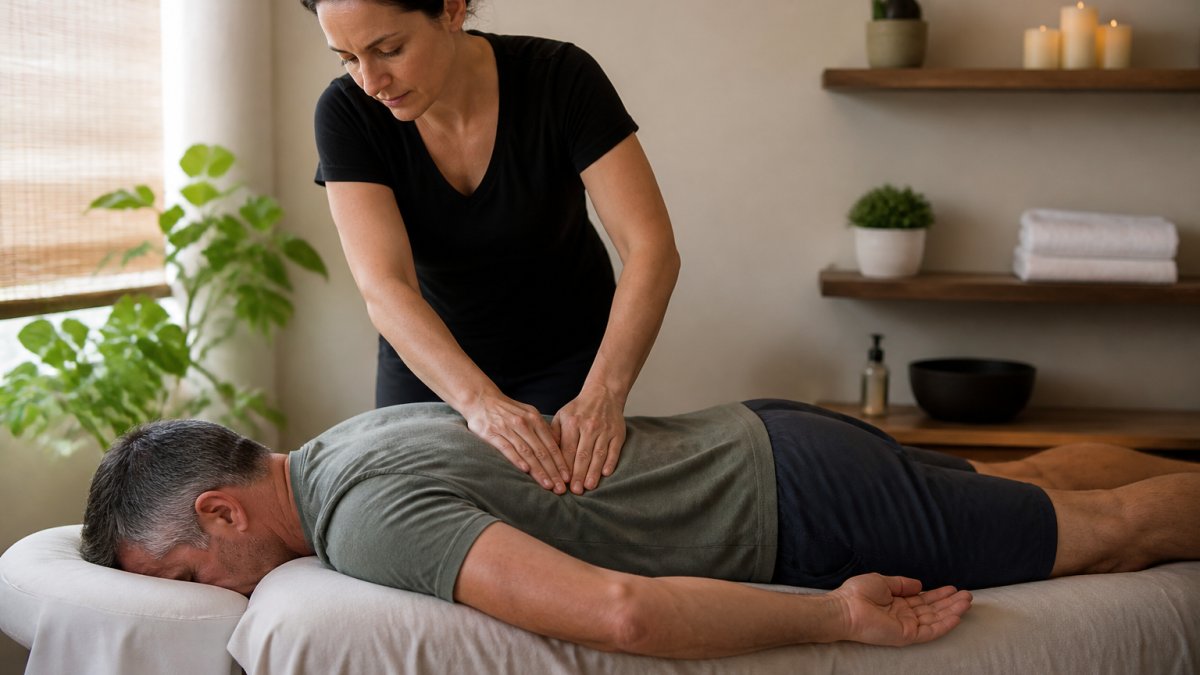
Massage for chronic back pain is a hands-on treatment that manipulates soft tissue to ease muscle tension, improve circulation, and reduce discomfort that has persisted for three months or longer. Therapeutic massage will not cure a structural problem, but it reliably reduces the muscle guarding and pain that make chronic low-back pain worse. (Source: research summarized by the National Center for Complementary and Integrative Health)
How Therapeutic Massage Works on Pain and Tension
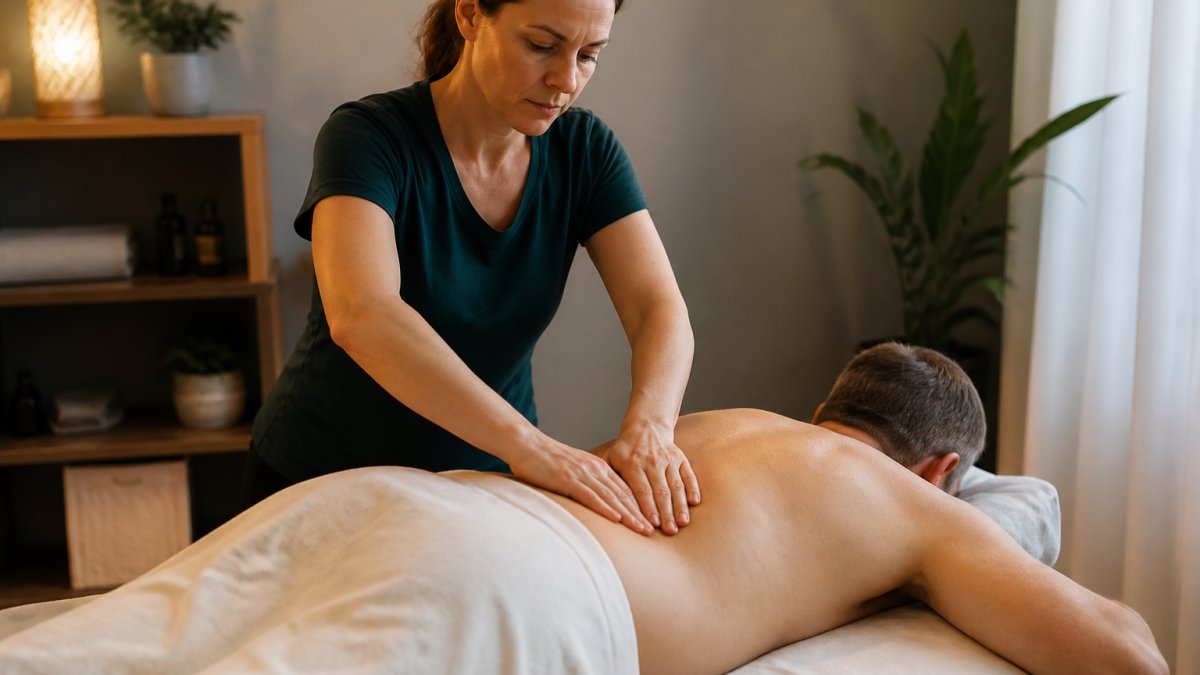
Therapeutic massage addresses chronic low-back pain through several mechanisms at once. Manual pressure on soft tissue increases local circulation, which helps clear inflammatory byproducts from overworked muscles. It also interrupts the pain-tension cycle: when a muscle stays guarded for weeks, it restricts range of motion and feeds more pain back into the nervous system.
Research summarized by the National Center for Complementary and Integrative Health indicates that massage may help with musculoskeletal pain, though study quality varies. What most guides miss is that the benefit is cumulative. One session offers temporary relief; a structured plan changes how the tissue behaves over time.
Types of Massage for Muscle Stiffness and Back Pain
The best type of massage for muscle stiffness depends on what is driving the tension. No single modality suits everyone, and a skilled therapist adjusts pressure and technique to your presentation rather than following a fixed script.
Swedish, Deep Tissue, Shiatsu, and Trigger Point Therapy
- Swedish massage uses long, flowing strokes to calm the nervous system and improve circulation. Best for general muscle tension and stress-related pain.
- Deep tissue applies slower, firmer pressure to reach deeper muscle layers and fascia. Best for chronic tightness and myofascial restriction.
- Shiatsu uses sustained finger and palm pressure along meridian lines. Best for those who prefer no oil and a fully clothed session.
- Trigger point therapy targets specific taut bands that refer pain elsewhere. Best for localized, reproducible pain points.
| Modality | Pressure | Best For | Typical Session |
|---|---|---|---|
| Swedish | Light to medium | Stress, general tension | 60 minutes |
| Deep tissue | Firm | Chronic tightness | 60-90 minutes |
| Shiatsu | Medium, sustained | Clothed sessions, whole-body | 45-60 minutes |
| Trigger point | Focused, variable | Localized referred pain | 30-60 minutes |
How Often to Get Massage for Back Pain
Most people with chronic back pain benefit from weekly sessions for the first four to six weeks, then taper to every two to four weeks for maintenance.
A common mistake is booking one session, feeling better for two days, and concluding massage does not work. Chronic conditions rarely resolve in a single visit. Ask your therapist for a short plan with a clear review point, then judge results over that window rather than a single appointment.
Safety, Risks, and When to Avoid Massage
Massage is generally well tolerated, but it is not appropriate for everyone. Serious adverse effects are uncommon, yet certain conditions make massage unsafe without medical clearance.
Avoid or postpone massage if you have:
- An active infection, fever, or contagious skin condition
- Deep vein thrombosis or a known clotting disorder
- Recent fracture, spinal surgery, or unstable spinal injury without clearance
- Severe osteoporosis or a bleeding disorder
- Unexplained new back pain that has not been evaluated
Self-Massage Techniques for Daily Relief
Self-massage between professional sessions keeps muscle tension from rebuilding. You do not need special equipment: a tennis ball, a foam roller, or your own hands will do.
- Tennis ball release: Lie on your back with a tennis ball under one side of your lower back, avoiding the spine itself. Breathe slowly and hold each spot for 30 to 60 seconds.
- Foam roller pass: Roll slowly along the length of your back muscles, pausing on tender areas rather than rolling quickly over them.
- Hand kneading: Sit upright and use your knuckles or thumbs to work the muscles beside your spine in small circles.
- Tennis ball against a wall: Stand with the ball between your back and the wall, then shift your weight to control pressure.
- Warm compress first: Apply heat for ten minutes before self-massage to relax tissue and reduce discomfort.
Stop if pain sharpens or radiates down a leg. Discomfort that feels like a dull ache is normal; nerve pain is not.
Combining Massage with Physical Therapy and Medical Care
Massage works best as one part of a broader plan, not as a standalone treatment. Physical therapy builds strength and mobility, massage reduces the muscle tension that blocks those gains, and your physician manages diagnosis and medication. When these pieces work together, patient outcomes improve, but the sequencing and the payment side are where most people get stuck.
Timing massage around physical therapy
A common pattern among practitioners is to schedule massage 24 to 48 hours before a physical therapy session, not after.
Ask your physical therapist which movements pair well with your massage schedule. Typically, the day after a deep-tissue session is a good window for mobility work and gentle range-of-motion drills, while heavier strengthening is better saved for two or more days out.
Schedule your appointment today →
What to tell your physician
If your back pain has lasted more than three months, your primary care provider or a physiatrist should be part of the conversation. Bring a simple log to your appointment: how often you get massage, what modality, what your pain score is before and after, and whether function (bending, sitting, walking distance) is improving. That record is what turns "I've been getting massages" into a documented adjunct therapy your doctor can factor into the plan.
Paying for it: insurance, HSA, and FSA
Coverage for massage therapy varies widely, and many plans treat it as elective rather than medically necessary. Some plans cover massage when a physician documents it as part of a treatment plan for a diagnosed condition such as chronic low-back pain; others exclude it entirely. Before booking, call your insurer and ask three specific questions:
- Is therapeutic massage a covered benefit under my plan, and does it require a referral or prior authorization?
- Which diagnosis codes (for example, the code your physician uses for chronic low-back pain) qualify for coverage?
- Is there a visit cap per year, and does the therapist need to be in-network?
If insurance will not cover it, two other routes are worth checking. First, a flexible spending account (FSA) or health savings account (HSA) can often reimburse massage when a physician writes a Letter of Medical Necessity stating the treatment is for a diagnosed condition rather than general wellness. Second, some clinics offer package pricing or sliding-scale rates for ongoing care, ask directly, because it is rarely advertised.
Choosing a therapist who treats pain, not just tension
When choosing a therapist, verify credentials rather than assuming. Look for:
- A current state license in massage therapy
- Board certification in therapeutic massage and bodywork
- Additional training in medical massage or manual lymph drainage if you are recovering from surgery
- Willingness to coordinate with your physician or physical therapist
Insurance, Cost, and Finding a Qualified Therapist
Insurance coverage for massage therapy varies widely, and many plans treat it as elective rather than medically necessary. Some plans cover massage when a physician documents it as part of a treatment plan for a diagnosed condition; others exclude it entirely.
Because pricing depends on session length, modality, and location, we do not publish fixed rates. Contact us directly for current pricing and to discuss your situation.
When choosing a therapist, verify credentials rather than assuming. Look for:
- A current state license in massage therapy
- Board certification in therapeutic massage and bodywork
- Additional training in medical massage or manual lymph drainage if you are recovering from surgery
- Willingness to coordinate with your physician or physical therapist
Conclusion: Building a Long-Term Plan for Chronic Back Pain
Chronic back pain rarely has a single fix, and anyone promising one is overselling. What works is a plan you can sustain: consistent therapeutic sessions, self-massage between visits, coordinated physical therapy, and honest communication with your medical team about what is and is not improving.
If you are in Northwest Indiana or Chicagoland and want a practitioner who treats chronic pain as a clinical problem rather than a spa service, Lavendura Massage & Bodywork can help. Our board-certified licensed massage therapist builds customized treatment plans, offers mobile in-home sessions for clients with limited mobility, and coordinates with your other providers. Schedule your appointment today and start building a plan that actually holds up.
Frequently Asked Questions
How does therapeutic massage help alleviate chronic back pain?
Therapeutic massage for chronic back pain targets muscle tension, improves circulation, and may reduce cortisol levels. By manipulating soft tissue, techniques like Swedish or deep tissue can ease stiffness and support a better range of motion. Many people find it helps them move more comfortably, though it works best as part of a broader plan that may include physical therapy and medical care.
What are the most effective massage techniques for lower back pain?
Deep tissue, Swedish, shiatsu, and trigger point therapy are commonly used for chronic low-back pain. Deep tissue reaches deeper muscle layers to release tension, while Swedish uses lighter strokes to improve circulation. Trigger point therapy focuses on specific knots that refer pain. The right choice depends on your condition and comfort level, so discuss your symptoms with a qualified therapist.
Is massage therapy considered safe for chronic back pain?
For most people, massage is safe when performed by a trained professional. However, it is not recommended during certain conditions such as acute infections, fractures, or uncontrolled high blood pressure. Always tell your therapist about your medical history, medications, and any recent surgeries. If you have a chronic condition, check with your doctor first to avoid adverse effects.
How often should you get a massage for long-term back pain management?
Frequency depends on your pain level and goals. Some people start with weekly sessions for a few weeks, then taper to every two to four weeks for maintenance. Others find monthly sessions sufficient. There is no single standard, so work with your therapist to adjust based on how you respond. Consistency matters more than intensity for chronic conditions.
What should you discuss with your therapist before a massage for back pain?
Before your session, share your medical history, current medications, and any recent injuries or surgeries. Describe your pain location, what makes it worse, and your goals. Ask about the therapist's training and whether they have experience with chronic back pain. Also mention if you prefer lighter or deeper pressure. This helps them tailor the treatment and avoid contraindications.