 comparison
Best Alternatives to Mobile Massage for Recovery
Table of Contents
- Why Athletes and Recovery-Focused Patients Seek Alternatives to Mobile Massage
- Clinical Massage Therapy in Hobart, IN: A Targeted Recovery Approach
- Benefits of Clinical Massage for Chronic Pain vs. Standard Massage
- Physical Therapy and Rehabilitation Services
- Lymphatic Drainage and Post-Operative Recovery Options
- How to Choose a Massage Therapist for Recovery: What Credentials Matter
- Making Your Recovery Decision: Cost, Convenience, and Outcomes
- Frequently Asked Questions
Last Updated: October 11, 2026
Why Athletes and Recovery-Focused Patients Seek Alternatives to Mobile Massage
When you're dealing with chronic pain, recovering from surgery, or training hard for performance, finding the right recovery approach matters. Many people explore what are the most effective alternatives to Windy City Mobile Massage for recovery because they're looking for specialized care tailored to their specific needs. At Lavendura Massage & Bodywork, we understand that one-size-fits-all mobile massage doesn't always address the deeper issues holding back recovery.
The decision to seek alternatives to mobile massage often comes down to a few core concerns: whether the provider has clinical training, if they understand post-operative protocols, and whether the approach actually targets your underlying problem rather than just feeling good in the moment. Athletes, post-operative patients, and people managing chronic conditions need more than a standard relaxation massage. They need clinical expertise.
Clinical Massage Therapy in Hobart, IN: A Targeted Recovery Approach
Clinical massage therapy in Hobart, IN represents a fundamentally different approach from general mobile massage services. Rather than applying the same techniques to every client, clinical massage therapists assess your condition, identify problem areas, and design a treatment plan around your specific diagnosis and recovery goals.
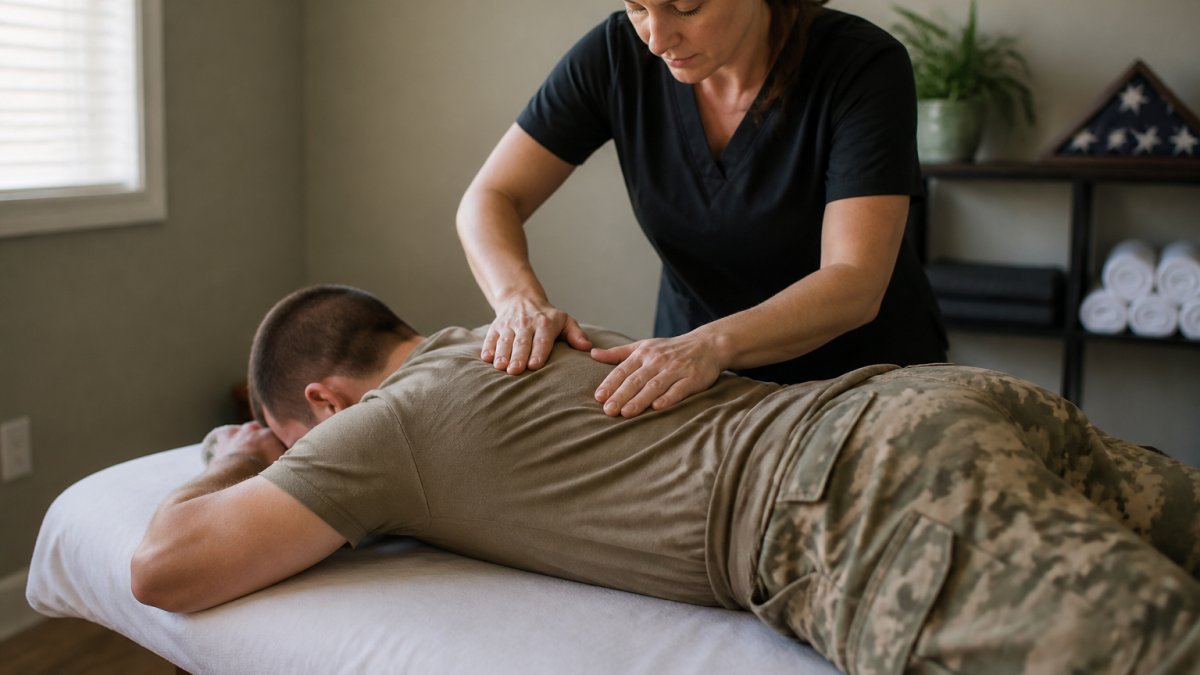
Clinical massage differs from standard massage in several key ways. It focuses on treating dysfunction, pain, and injury rather than relaxation alone. The therapist uses techniques like trigger point therapy, myofascial release, and soft tissue mobilization to address root causes. This approach works particularly well for athletes recovering from training injuries, office workers dealing with repetitive strain, and post-operative patients managing swelling and scar tissue.
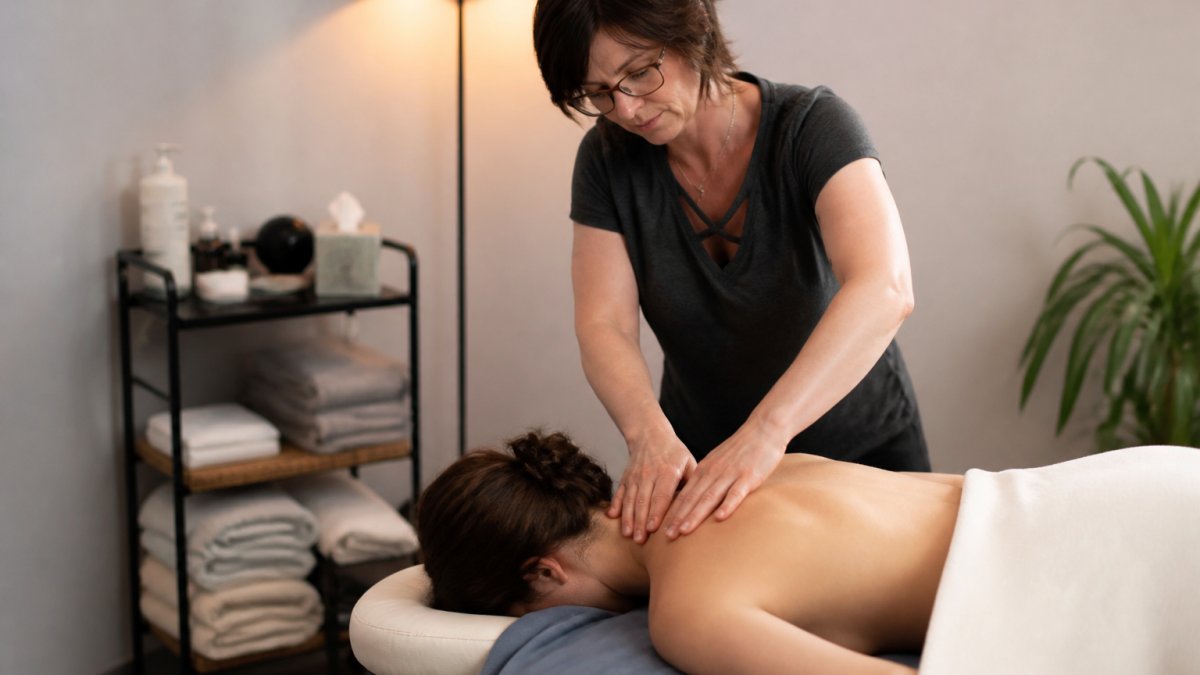
In the Hobart area, clinical massage therapists typically hold certifications beyond basic massage licensing. Many pursue credentials like Board Certification in Therapeutic Massage and Bodywork (BCTMB), Medical Massage Practitioner (MMP) certification, or specialized training in manual lymph drainage. These credentials signal that the therapist understands anatomy, pathology, and evidence-based treatment protocols, not just massage techniques.
The treatment process usually starts with an intake and assessment. The therapist asks detailed questions about your injury, pain patterns, medical history, and goals. They palpate affected areas to identify restrictions, trigger points, and tissue quality. Based on this assessment, they create a treatment plan with specific objectives and expected timelines. This structured approach means you're not just getting a massage, you're getting clinical care.
Benefits of Clinical Massage for Chronic Pain vs. Standard Massage
The distinction between clinical massage for chronic pain and standard massage becomes clear when you look at outcomes. Standard massage provides relaxation and temporary relief. Clinical massage addresses the underlying mechanical and neurological factors driving chronic pain patterns.
Chronic pain often stems from muscular restrictions, trigger points, scar tissue adhesions, or postural dysfunction. A standard massage might feel good during the session, but the pain returns because the root cause wasn't addressed. Clinical massage uses targeted techniques to release trigger points, break adhesions, improve tissue quality, and restore normal movement patterns. The goal is lasting improvement, not temporary comfort.
For conditions like tension headaches, lower back pain, frozen shoulder, or repetitive strain injuries, clinical approaches typically show better long-term results. The therapist works on specific muscles and tissues causing the problem, applies appropriate pressure and duration to create change, and teaches self-care strategies to prevent recurrence. Many people find that after a series of clinical massage sessions, their pain decreases significantly or resolves entirely.
The timeline also differs. Clinical massage clients typically see improvement within 4-8 sessions, with the goal of reducing frequency as the condition improves.
Physical Therapy and Rehabilitation Services
Physical therapy represents another major alternative to mobile massage, particularly for athletes and post-operative patients. While massage addresses soft tissue directly, physical therapy takes a broader approach that includes exercise, movement retraining, and functional restoration.
Physical therapists hold a Doctor of Physical Therapy degree and are licensed healthcare providers. They conduct comprehensive evaluations, order imaging when needed, and design exercise-based treatment plans. Their scope includes not just manual therapy but also therapeutic exercise, gait training, balance work, and return-to-sport protocols.
For someone recovering from surgery, physical therapy is often medically necessary and may be covered by insurance. For athletes returning to training after injury, physical therapy provides sport-specific exercises and progression protocols. For chronic pain conditions, physical therapy teaches movement strategies that prevent recurrence.
Many recovery scenarios benefit from combining clinical massage with physical therapy. The massage addresses tissue restrictions and pain, while physical therapy rebuilds strength and movement patterns.
Lymphatic Drainage and Post-Operative Recovery Options
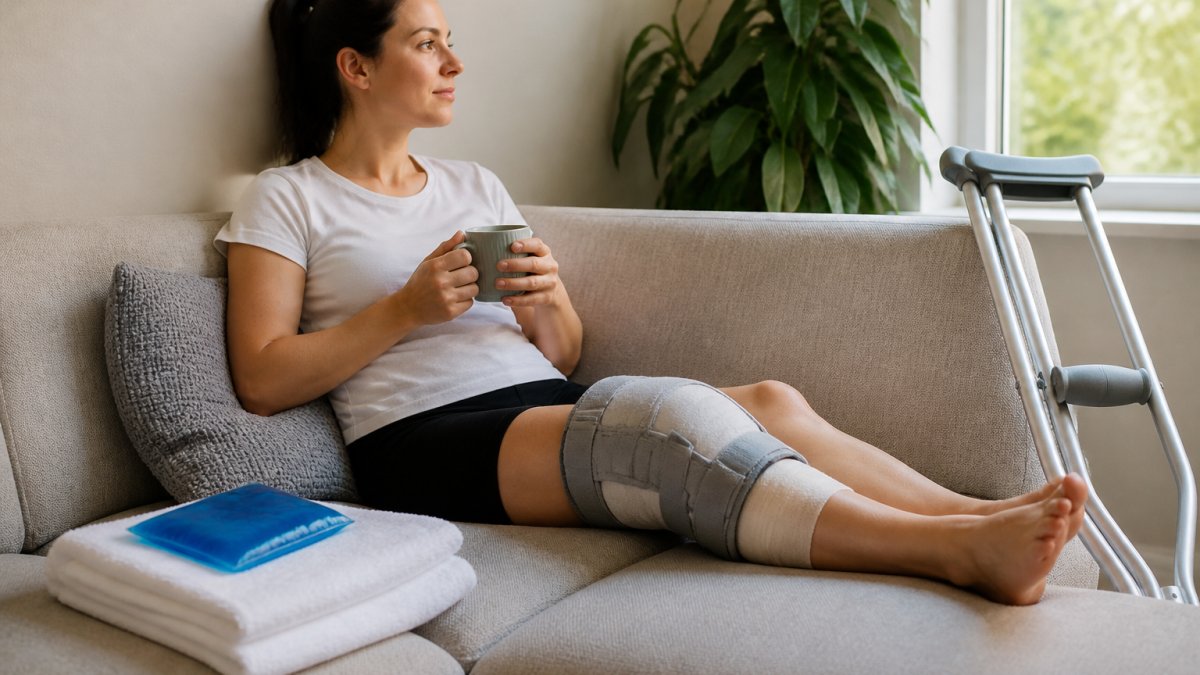
Post-operative swelling and fluid accumulation can significantly slow recovery. Lymphatic drainage, a specialized technique that moves fluid through the lymphatic system, addresses this directly. This is where alternatives to standard mobile massage become particularly valuable.
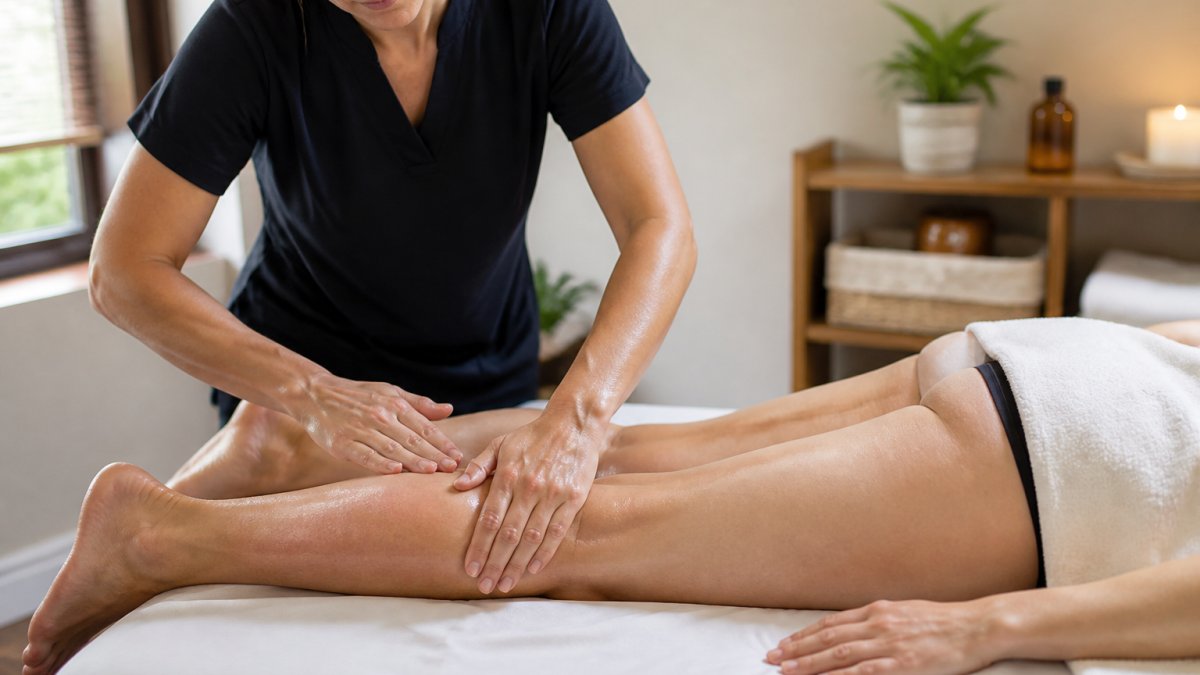
Manual lymph drainage (MLD) is a gentle, specialized technique performed by certified therapists. It uses light pressure and specific hand movements to stimulate lymphatic flow, reduce swelling, and support immune function. For post-operative patients, MLD can reduce inflammation, speed tissue healing, and improve comfort in the first weeks after surgery.
Certification in lymphatic drainage requires specialized training beyond standard massage licensing. Look for credentials like MLD-C (Manual Lymph Drainage Certified) or completion of recognized lymphatic drainage programs.
Schedule your appointment today →
Other post-operative recovery options include compression therapy, elevation protocols, and ice management, strategies that work alongside manual techniques.
How to Choose a Massage Therapist for Recovery: What Credentials Matter
When selecting a massage therapist for recovery rather than relaxation, credentials become critical. Not all massage licenses are equal, and certification levels vary significantly.
State Licensing: Every massage therapist should hold a current license from their state. In Indiana, this means meeting education requirements, passing the Massage Therapy Licensure Exam (MTLE), and maintaining continuing education. Verify licenses through the Indiana Professional Licensing Agency. In Illinois, check the Illinois Department of Financial and Professional Regulation.
Board Certification (BCTMB): This credential signals that the therapist exceeded state minimum requirements. Board certification requires additional education, clinical hours, and passing a comprehensive exam. BCTMB therapists demonstrate knowledge of anatomy, pathology, and clinical protocols.
Specialty Certifications: For specific recovery needs, look for relevant credentials:
- Manual Lymph Drainage Certified (MLD-C) for post-operative swelling
- Medical Massage Practitioner (MMP) for clinical applications
- Sports massage certification for athletes
- Trigger point therapy or myofascial release certification
Clinical Experience: Ask about the therapist's experience with your specific condition. Someone skilled at sports massage may not be the right choice for post-operative lymphatic drainage. Experience matters as much as credentials.
When evaluating alternatives to mobile massage in the Hobart area, ask therapists about their credentials, their assessment process, and how they measure progress. A therapist who conducts an intake, explains their approach, and tracks outcomes is providing clinical care.
Making Your Recovery Decision: Cost, Convenience, and Outcomes
The choice between mobile massage and clinical alternatives involves weighing three factors: cost, convenience, and outcomes.
Mobile massage excels at convenience. A therapist comes to your home or office, saving you travel time. For someone with severe mobility limitations, this matters significantly. However, convenience sometimes comes at the expense of clinical depth.
Clinical alternatives, whether in-office massage, physical therapy, or specialized recovery services, typically require you to travel to a facility. This adds logistics and scheduling complexity. However, you gain access to proper assessment, specialized techniques, clinical credentials, and often integrated services. For serious recovery goals, this tradeoff usually makes sense.
Cost varies widely. Physical therapy may be covered by insurance for certain conditions, making it more affordable than out-of-pocket massage.
The real question is outcomes. What gets you back to normal function? What produces lasting improvement rather than temporary relief? For chronic pain, post-operative recovery, and athletic rehabilitation, clinical approaches typically deliver better outcomes.
Finding the right recovery approach depends on your specific situation, not just convenience or cost. If you're dealing with chronic pain, recovering from surgery, or training hard for performance, clinical assessment and specialized technique matter. At Lavendura Massage & Bodywork, we provide clinical massage therapy in Hobart, IN and throughout Northwest Indiana with Board Certified credentials, post-operative lymphatic drainage expertise, and treatment plans designed around your actual recovery goals. The difference isn't just in comfort, it's in results. Indiana Professional Licensing Agency verifies all massage therapist credentials. Schedule your appointment with a clinically trained therapist who understands your recovery needs.
Frequently Asked Questions
What is the difference between mobile massage and clinical massage therapy?
Mobile massage services prioritize convenience by coming to your location, but clinical massage therapy focuses on treating specific injuries, chronic pain, or post-operative conditions with targeted techniques. Clinical massage therapists use assessment and treatment planning tailored to your condition, while mobile massage may offer general relaxation or maintenance care. A board-certified clinical massage therapist in Hobart, IN can address underlying muscle and soft-tissue issues rather than surface-level relaxation.
How do I choose a massage therapist for recovery after surgery or injury?
Look for a Licensed Massage Therapist (LMT) with specialized certifications such as Manual Lymph Drainage (MLD-C) for post-operative care, or Medical Massage Practitioner (MMP) credentials for injury recovery. Ask about their experience with your specific condition and if they perform a thorough assessment before treatment. Verify their state license and ask about their approach to tailoring sessions to your recovery goals rather than offering one-size-fits-all massage.
Can clinical massage help chronic pain when other treatments haven't worked?
Clinical massage addresses chronic pain differently than standard massage by targeting the root cause, muscle tension, restricted movement, or soft-tissue dysfunction, rather than just providing temporary relief. A clinical massage therapist assesses your movement patterns, posture, and pain triggers, then uses specific techniques to restore function and reduce pain over time. Many people find clinical massage effective for chronic pain as a standalone treatment, though results vary by individual condition.
Is massage therapy covered by insurance in Indiana, and what are my out-of-pocket costs?
Insurance coverage for massage therapy in Indiana depends on your plan and whether the therapist is in-network; some plans cover it when prescribed by a physician for injury recovery or post-operative care. However, many plans do not cover massage, making it an out-of-pocket expense. Contact your insurance provider to confirm coverage, and speak directly with your massage therapist about pricing and payment options.