 How-to
Is Lymphatic Drainage Painful? What to Expect
Table of Contents
- Is Lymphatic Drainage Painful? The Short Answer
- What Does Lymphatic Drainage Massage Feel Like
- Lymphatic Drainage Massage Pressure: Understanding the Technique
- How Long Does Lymphatic Drainage Massage Take
- Factors That Influence Discomfort During Treatment
- Lymphatic Drainage Massage Side Effects and What's Normal
- Tips for Minimizing Discomfort During Your Session
- When to Speak Up: Communication During Treatment
- Frequently Asked Questions
Last Updated: October 18, 2026
Is Lymphatic Drainage Painful? The Short Answer
Lymphatic drainage massage is generally not painful. The technique uses gentle, light pressure rather than deep tissue work, so most people experience it as relaxing and soothing. However, some mild discomfort or sensitivity can occur depending on your condition, where you're being treated, and how your body responds to the therapy.
At Lavendura Massage & Bodywork in Hobart, we work with clients who have concerns about pain during lymphatic drainage. The truth is that this type of massage feels different from what many people expect, it's lighter, slower, and more rhythmic than traditional massage. Most clients find it deeply calming rather than uncomfortable.
That said, if you're considering lymphatic drainage massage, it helps to understand what sensations you might experience and what factors influence comfort during your session. This guide walks you through exactly what to expect so you can feel confident before your appointment.
What Does Lymphatic Drainage Massage Feel Like
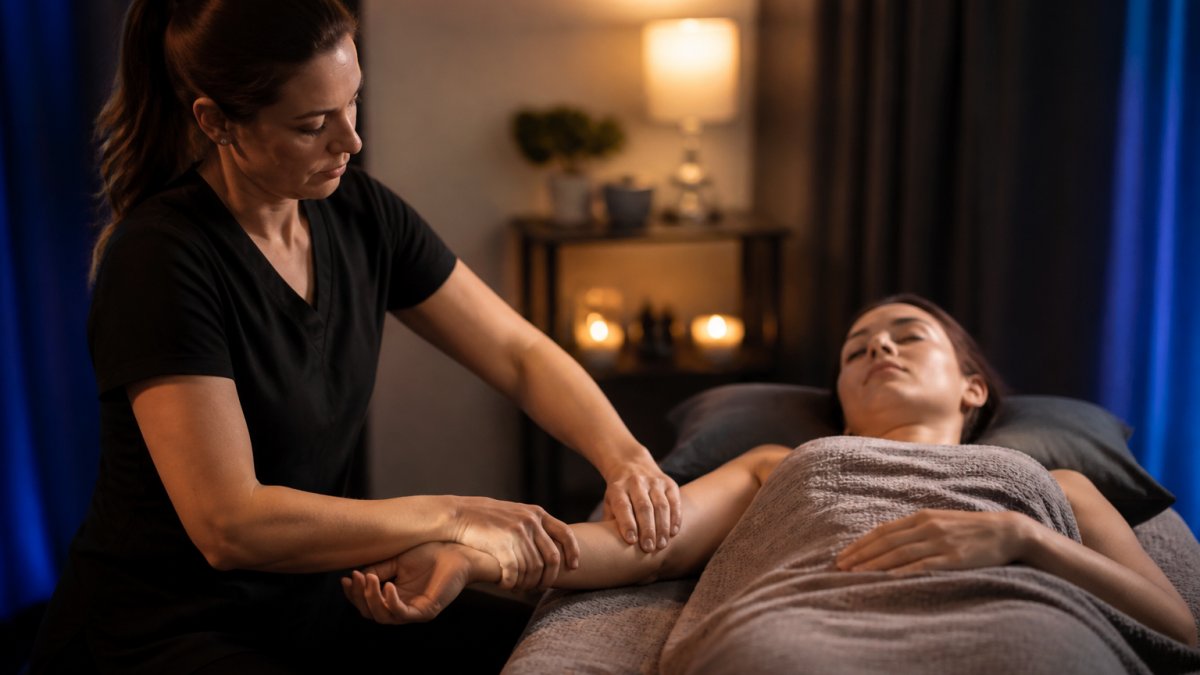
Lymphatic drainage massage feels distinctly different from other massage types. The pressure is very light, often described as feather-like or barely-there. Your therapist uses slow, rhythmic movements that follow the natural pathways of your lymphatic system rather than working deep into muscle tissue.
Many clients describe the sensation as:
- Gentle and soothing, almost like a light brushing across the skin
- Rhythmic and meditative, which promotes relaxation
- Slightly ticklish in some areas, though this usually fades as you relax
- Warm and comforting rather than intense or painful
The supporting keyword what does lymphatic drainage massage feel like captures this experience well. You won't feel the deep pressure you might experience with Swedish or deep tissue massage. Instead, you'll notice slow, deliberate movements that create a gentle pumping sensation.
Some people fall asleep during lymphatic drainage sessions because it's so calming. Others describe feeling a sense of heaviness or mild tingling as fluid begins to move through their lymphatic vessels, but this is not pain. It's a sign the therapy is working.
If you're post-operative and swollen, the area being treated might feel tender or sensitive to light touch at first. This is normal. Your therapist at Lavendura Massage & Bodywork will adjust pressure based on your feedback, and sensitivity typically decreases with each session.
Lymphatic Drainage Massage Pressure: Understanding the Technique
The pressure used in lymphatic drainage is one of the biggest differences between this therapy and other massage styles. Understanding why therapists use such light pressure helps explain why lymphatic drainage massage pressure is deliberately minimal.
Your lymphatic system moves fluid through delicate vessels and tiny one-way valves. These structures are fragile and respond better to light stimulation than deep pressure. Heavy pressure can actually damage the vessels or overwhelm the system, making it less effective.
Here's how pressure levels compare:
- Deep tissue massage: 7-9 out of 10 pressure intensity
- Swedish massage: 5-7 out of 10 pressure intensity
- Lymphatic drainage: 1-2 out of 10 pressure intensity
The lightness is intentional. Your therapist uses just enough pressure to stimulate the lymphatic vessels without causing pain or tissue damage. The movement itself, not the force, does the work.
When pressure is applied correctly, you might feel:
- A subtle wave-like sensation moving across your skin
- Mild warmth in the treated area
- A gentle stretching feeling in the skin
- Relaxation spreading through your body
If your therapist is pressing too hard, speak up immediately. Proper lymphatic drainage should never hurt. If you feel sharp pain, burning, or significant pressure, that's a signal to communicate with your therapist about adjusting the technique.
How Long Does Lymphatic Drainage Massage Take
Sessions typically last between 30 minutes and 90 minutes, depending on your needs and the area being treated. Understanding how long does lymphatic drainage massage take helps you plan your appointment and know what to expect.
Most common session lengths:
- 30 minutes: Focused treatment on one area (arm, leg, or face)
- 60 minutes: Full-body or comprehensive treatment for post-operative swelling
- 90 minutes: Intensive sessions for significant swelling or multiple problem areas
The slower pace of lymphatic drainage means therapists cover less physical distance than in other massage types. A 60-minute lymphatic drainage session is not equivalent to a 60-minute deep tissue session in terms of body area covered. The technique requires patience and precision.
Timing matters too. Your therapist might spend extra time in certain areas where lymph is blocked or swelling is pronounced. There's no rushing in lymphatic drainage, the rhythm and pacing are part of what makes it effective.
If you're in Hobart or the surrounding area and wondering how long your session should be, our team at Lavendura Massage & Bodywork can discuss your specific situation. Post-operative clients often need longer sessions initially, while maintenance sessions might be shorter.
Factors That Influence Discomfort During Treatment
Several factors affect how comfortable you feel during lymphatic drainage painful situations. Understanding these helps you prepare mentally and physically for your session.
Swelling and inflammation level: The more swollen an area is, the more sensitive it might feel initially. Gentle pressure on inflamed tissue can create mild tenderness, but this is not the same as pain from improper technique.
How recent your injury or surgery is: Fresh post-operative swelling is often more sensitive than chronic swelling. Your body is still in acute healing mode.
Your pain sensitivity: Everyone's nervous system responds differently to touch. Some people are naturally more sensitive to light pressure, while others barely notice it. This isn't about weakness, it's just how your body is wired.
Dehydration: A dehydrated body often feels more sensitive to touch. Drinking water before your appointment can help you feel more comfortable during the session.
Stress and tension: When you're anxious or tense, your muscles tighten and your nervous system stays on alert. This can make light touch feel more noticeable or even slightly uncomfortable. Taking deep breaths and relaxing before your session helps.
Time of day: Some people feel more sensitive in the evening after a long day. Morning sessions might feel more comfortable for you.
Schedule your appointment today →
Previous massage experience: If you've never had massage therapy, light pressure might feel unfamiliar at first. Your body adapts quickly, usually within one or two sessions.
Lymphatic Drainage Massage Side Effects and What's Normal
After lymphatic drainage massage, you might notice sensations or changes that can feel concerning if you don't know they're normal. Understanding lymphatic drainage massage side effects helps you distinguish between normal responses and actual problems.
Common and normal responses after a session:
- Mild fatigue or heaviness as your body relaxes deeply
- Increased urination as your system processes fluid movement
- Slight tingling or mild itching in treated areas
- Temporary increased swelling before it decreases (usually within hours)
- Mild soreness similar to gentle exercise, not sharp pain
- Vivid dreams or deep sleep that night from relaxation
These side effects are temporary and typically resolve within 24 hours. They're actually signs your lymphatic system is responding to the therapy.
What's NOT normal and should be reported:
- Sharp, stabbing pain during or after the session
- Increased swelling that doesn't decrease within 12 hours
- Redness, warmth, or signs of infection around incisions
- Bruising or marks on the skin
- Numbness or tingling that lasts more than a few hours
If you experience any of these unusual responses, contact your healthcare provider or your massage therapist immediately. At Lavendura Massage & Bodywork, we take client safety seriously and want to know if anything feels wrong.
Most people feel noticeably better after lymphatic drainage, less swollen, more mobile, and more relaxed. That's the goal, and it's what makes the mild temporary side effects worth it.
Tips for Minimizing Discomfort During Your Session
You can take concrete steps before and during your appointment to ensure maximum comfort. Here's how to make your lymphatic drainage painful concerns a non-issue:
Before your appointment:
- Drink plenty of water the day before and the morning of your session
- Eat a light meal 1-2 hours before (not right before)
- Wear loose, comfortable clothing you can easily remove
- Arrive 10-15 minutes early to settle and relax
- Let your therapist know about any areas of extreme sensitivity
During your appointment:
- Communicate immediately if pressure feels too intense
- Take slow, deep breaths to help your body relax
- Focus on the rhythm of the movements rather than watching
- Ask your therapist to explain what they're doing if it helps you feel more comfortable
- Request breaks if you need them, there's no judgment
After your appointment:
- Continue drinking water to support your lymphatic system
- Rest for at least an hour if possible
- Avoid strenuous activity for the rest of the day
- Elevate the treated area if possible
- Wear compression garments if your therapist recommends them
Communication is your best tool. Your therapist wants you comfortable. If something doesn't feel right, speak up. A skilled therapist at Lavendura Massage & Bodywork will adjust immediately without hesitation.
Many clients find that anxiety about discomfort actually creates tension that makes sensations feel more intense. Once you experience one session and realize it's not painful, future sessions feel even more relaxing.
When to Speak Up: Communication During Treatment
Effective communication during your session directly impacts your comfort and the therapy's effectiveness. Knowing when and how to speak up ensures is lymphatic drainage painful never becomes a real problem for you.
Speak up if:
- Pressure feels too intense, say "lighter please"
- An area feels unusually tender, your therapist can adjust
- You need to shift positions, movement is fine
- You're uncomfortable emotionally or mentally, your therapist can help
- You have questions about what's happening, ask anytime
- You need a break, pause is always available
Don't stay silent if something feels wrong. Many people worry about bothering their therapist or seeming difficult. That's not how professional therapists think. We want you comfortable. Your feedback helps us do better work.
Your therapist should explain what they're doing and why. If they don't, ask. Understanding the technique often reduces anxiety about sensations.
Before your session starts, mention:
- Any recent surgeries or injuries
- Areas of extreme sensitivity
- Previous experiences with massage (good or bad)
- Your goals for the session
- Any health conditions your therapist should know about
This information helps your therapist customize the session for your specific needs. At Lavendura Massage & Bodywork in Hobart, we take time to understand each client's situation before beginning treatment.
Remember: you're in control. If you need to stop, slow down, or adjust anything, you have that right. A good therapeutic relationship is built on trust and communication.
If you're dealing with swelling, post-operative discomfort, or chronic pain, lymphatic drainage can help, and it doesn't have to be painful. At Lavendura Massage & Bodywork, our board-certified and manual lymph drainage-certified therapists specialize in gentle, effective treatment tailored to your specific needs. Whether you're in Hobart, Merrillville, Crown Point, or the broader Chicagoland area, we offer mobile services so you can receive care in the comfort of your home.
Frequently Asked Questions
Is lymphatic drainage painful?
Lymphatic drainage is typically not painful. It uses very light pressure, much gentler than traditional massage, so most people experience it as soothing rather than uncomfortable. You may feel mild sensations like tingling, warmth, or slight pressure as fluid moves through your lymphatic system, but sharp pain is not normal. If you experience pain during a session, tell your therapist immediately so they can adjust their technique.
What does lymphatic drainage massage feel like?
Lymphatic drainage feels light and gentle, often described as a subtle pumping or rhythmic sensation. You may notice a gentle pressure moving along your skin, mild tingling, or a sense of warmth as the therapist guides fluid through your lymphatic pathways. Many clients find it deeply relaxing. The sensation is very different from deep-tissue massage, it's more like a slow, intentional gliding motion that creates a calming effect.
Can lymphatic drainage cause soreness afterward?
Some mild soreness or sensitivity can occur after lymphatic drainage, especially if you have significant swelling or inflammation being addressed. This typically resolves within 24-48 hours. You may also experience increased urination or bowel movements as your body processes released fluids. Drinking plenty of water and resting after your session can help minimize these effects. Severe soreness is not typical and warrants a follow-up conversation with your therapist.
How long does a lymphatic drainage massage session typically take?
Most lymphatic drainage sessions last between 30 to 60 minutes, depending on the area being treated and your specific needs. A full-body session usually takes closer to 60 minutes, while targeted sessions for a specific limb or area may take 30-45 minutes. Your therapist will discuss the recommended duration during your consultation based on your condition and treatment goals.