 How-to
How to Find a Lymphatic Specialist
Last Updated: October 25, 2026
Quick Summary
A lymphatic specialist is a licensed massage therapist trained in manual lymphatic drainage techniques who uses gentle hand movements to reduce swelling, improve circulation, and support healing. Find one through professional directories like the Lymphatic Education & Research Network, your doctor's referral, or by verifying credentials like CLT-LANA certification.
- Look for therapists with CLT-LANA credential or at least 135 hours of specialized lymphatic drainage training.
- Check professional directories, your doctor's referral list, and local licensing boards to verify credentials.
- Ask potential therapists about their certifications, training hours, and experience with your specific condition before booking.
- Avoid therapists who make unrealistic promises, can't verify credentials, or use pressure that feels like regular massage.
- A typical session lasts 45 minutes to an hour with very light, gentle pressure that feels different from regular massage.
Table of Contents
- What a Lymphatic Specialist Does
- Where to Find a Certified Lymphedema Therapist
- Understanding Lymphedema Therapist Credentials
- What to Expect From a Manual Lymphatic Drainage Therapist
- Questions to Ask a Lymphedema Therapist
- Red Flags and How to Avoid Unqualified Practitioners
- Schedule Your Lymphatic Drainage Appointment
- Frequently Asked Questions
What a Lymphatic Specialist Does
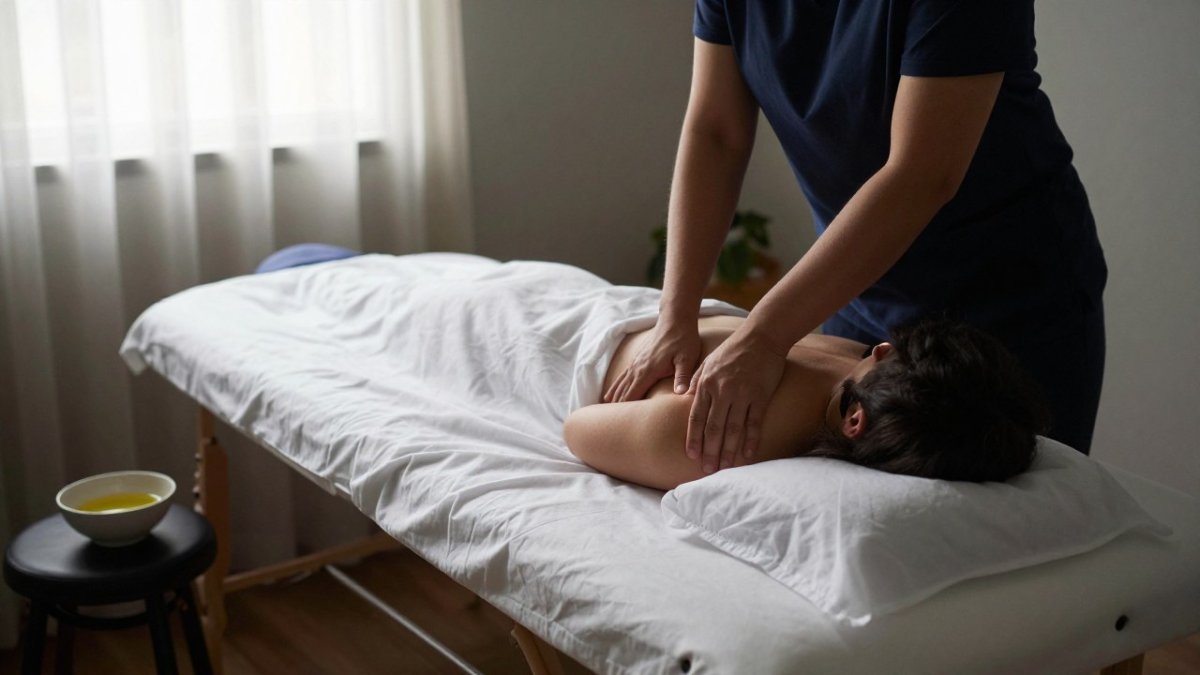
A lymphatic specialist is a licensed massage therapist trained in manual lymphatic drainage techniques. They work with your body's lymphatic system to reduce swelling, improve circulation, and support healing.
The lymphatic system moves fluid through your body. When it doesn't work properly, fluid builds up and causes swelling. A lymphatic specialist uses gentle, rhythmic hand movements to encourage this fluid to move where it should go.
These therapists often focus on post-operative care. After surgery, swelling is common. Manual lymphatic drainage can reduce that swelling faster than waiting for it to go away on its own. They also help people with chronic conditions like lymphedema, fibromyalgia, and sports injuries.
What sets a lymphatic specialist apart from a regular massage therapist is their training. They understand the anatomy of your lymphatic system. They know exactly where lymph nodes are located and how to work with them safely. This specialized knowledge matters, especially after surgery when your body is healing.
At Lavendura Massage & Bodywork, our approach focuses on understanding your specific needs. We tailor each session to address your concerns, whether you're recovering from surgery or managing chronic swelling. You can learn how lymphatic drainage massage works to understand the specific techniques we use.
Where to Find a Certified Lymphedema Therapist
Finding the right therapist takes some research. Start with professional organizations that credential lymphatic specialists.
The Lymphatic Education & Research Network maintains a directory of certified therapists. Look for therapists with the CLT-LANA credential, which means they've passed a rigorous exam. Alternatively, find a therapist with at least 135 hours of specialized training in lymphatic drainage.
Check multiple resources:
- Professional directories from lymphatic education organizations
- Your doctor's referral list (they often have recommendations)
- Local massage therapy licensing boards
- Online reviews from other patients
- Ask your surgeon for post-operative care recommendations
When searching online, use specific terms like "lymphatic drainage therapist near me" or "certified lymphedema therapist in Hobart" to find qualified practitioners in your area. Many therapists now offer mobile services, which means they'll come to your home if you have limited mobility.
In the Chicagoland area and surrounding communities like Merrillville, Crown Point, Valparaiso, and Gary, finding a qualified lymphatic specialist is easier than it used to be. More therapists are getting certified in this specialty. Still, verify their credentials before booking an appointment.
Understanding Lymphedema Therapist Credentials
Not all massage therapists are trained in lymphatic drainage. Credentials matter because they show a therapist has completed serious training.
The most recognized credential is CLT-LANA (Certified Lymphedema Therapist by the Lymphatic Education & Research Network). This certification requires:
- Completion of a comprehensive training program
- Passing a national exam
- Ongoing education to maintain the credential
Other important certifications include:
- MLD-C (Manual Lymph Drainage Certified)
- LMT (Licensed Massage Therapist) with specialized lymphatic training
- BCTMB (Board Certified in Therapeutic Massage and Bodywork)
Ask potential therapists about their credentials. A qualified therapist will be happy to share their certifications. They should have proof of their training, not just a mention on their website.
Some therapists list their state license number. In Indiana and Illinois, you can verify these numbers with the state licensing board. This ensures the therapist is legally authorized to practice.
At Lavendura Massage & Bodywork, our practitioner holds multiple credentials including LMT, BCTMB, and MLD-C certifications. You can verify the credentials and qualifications of our specialist to understand what training stands behind our services.
Experience matters too.
Look for these key credentials when choosing a lymphatic specialist.
| Credential | Full Name | What It Shows |
|---|---|---|
| CLT-LANA | Certified Lymphedema Therapist by the Lymphatic Education & Research Network | Passed national exam, completed comprehensive training |
| MLD-C | Manual Lymph Drainage Certified | Specialized lymphatic drainage certification |
| LMT | Licensed Massage Therapist | State license with specialized lymphatic training |
| BCTMB | Board Certified in Therapeutic Massage and Bodywork | Board certification in therapeutic massage |
| LMT with state license number | Licensed Massage Therapist | Verifiable through Indiana or Illinois licensing board |
What to Expect From a Manual Lymphatic Drainage Therapist
Your first appointment will include a consultation. The therapist will ask about your medical history, current swelling, and what you hope to achieve.
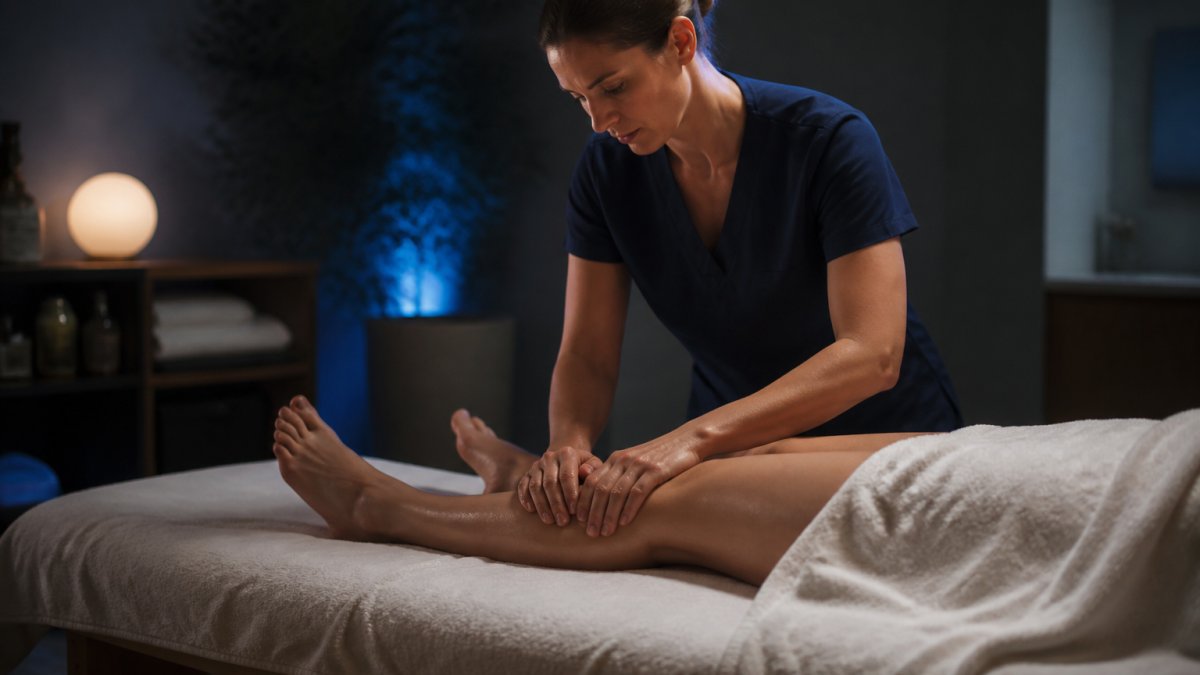
Manual lymphatic drainage feels different from regular massage. The pressure is much lighter. Therapists use slow, gentle movements that might feel almost like a feather touch. This lightness is intentional. The goal is to stimulate the lymphatic system, not to break down muscle tension. This precise technique extends beyond the body to the delicate tissues of the head and neck, where understanding the specific lymphatic drainage benefits can clarify why such a subtle approach remains essential.
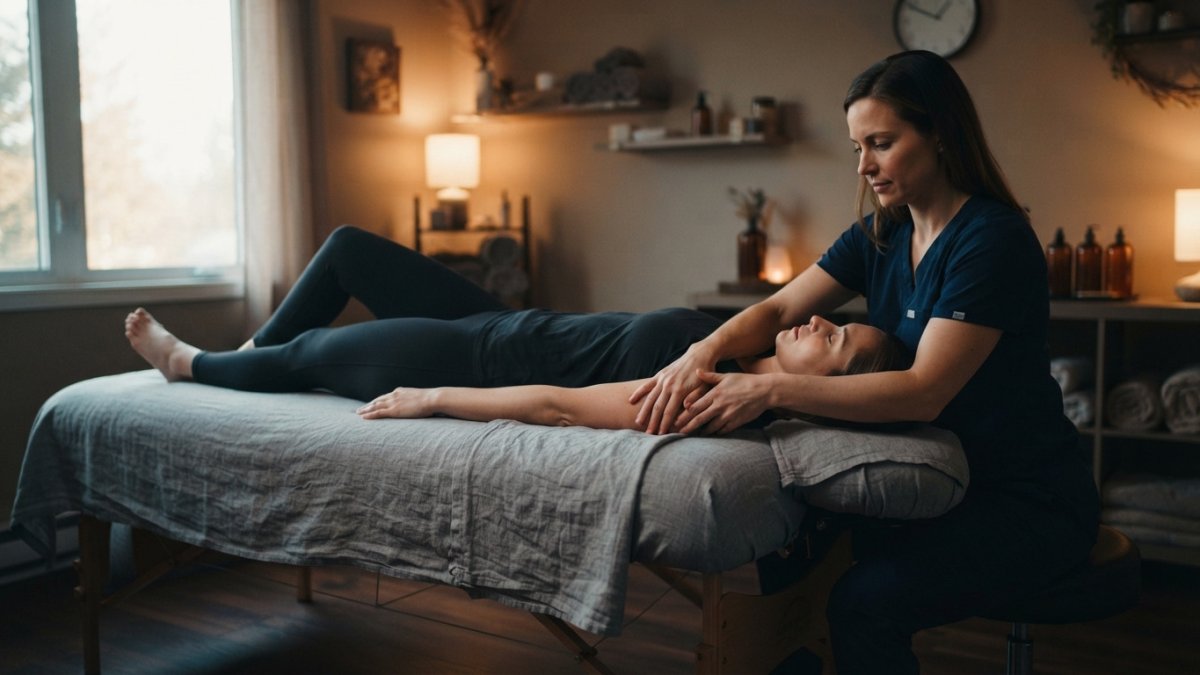
A typical session lasts 45 minutes to an hour. You'll lie down on a massage table, usually clothed or partially clothed. The therapist works on areas where lymph nodes are located and where swelling is worst.
You should feel relaxed during and after the session. Some people fall asleep. Others feel a gentle warmth or tingling. Swelling often decreases noticeably within the first few sessions, though results vary.
Schedule your appointment today →
After treatment, the therapist might recommend wearing compression garments or doing simple exercises at home. These support what the massage accomplished. Many people need multiple sessions to see lasting results. Your therapist will discuss a treatment plan with you.
Discover the benefits and outcomes you can expect from lymphatic drainage massage therapy to understand how treatment can relieve swelling and support recovery.
Questions to Ask a Lymphedema Therapist
Before booking an appointment, prepare a list of questions. This conversation helps you decide if the therapist is right for you.
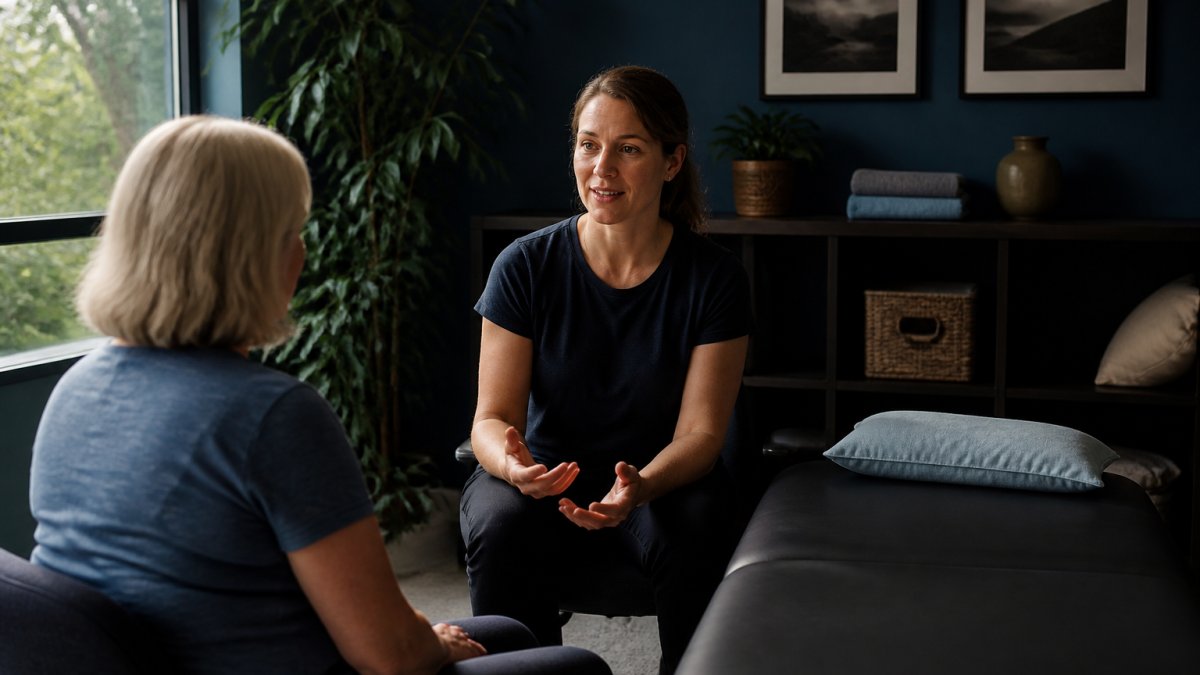
Ask these questions:
- How many hours of lymphatic drainage training have you completed?
- Are you certified? What credential do you hold?
- How many post-operative patients have you treated?
- If I'm only a few days post-op, is it safe to start treatment now?
- What results should I expect in the first week? The first month?
- Do you work with my specific condition or recovery type?
- How many sessions will I likely need?
- Do you offer mobile services, or do I need to come to your office?
- What should I do between sessions to support healing?
- How will you measure improvement?
A good therapist will answer all these questions clearly. They'll explain their approach and be honest about what they can and cannot do. If a therapist seems evasive or makes promises of a "cure," that's a red flag.
Also ask about their experience with your specific situation. Someone recovering from knee surgery needs a different approach than someone managing lymphedema from cancer treatment. A therapist who's worked with your type of case will have better results.
Red Flags and How to Avoid Unqualified Practitioners
Not every person offering "lymphatic massage" is qualified. Watch for these warning signs.
A therapist without verifiable credentials is a major red flag. If they can't show you their certification or license number, move on. Don't rely on their word alone.
Beware of therapists who make unrealistic promises. Statements like "guaranteed to eliminate swelling in two weeks" or "replaces physical therapy" are not true. Lymphatic drainage helps, but it's not a miracle cure.
Pressure that's too firm is another concern. If the massage feels like regular deep-tissue work, the therapist might not understand lymphatic drainage. The technique requires light, specific pressure that feels very different.
Some practitioners claim training that they don't actually have. Ask to see certificates from accredited programs. Legitimate training programs are recognized by professional organizations.
Therapists who won't discuss their experience or training should be avoided. A qualified specialist will be proud to share their background.
If you're post-operative and a therapist doesn't ask about your surgery date or clearance from your surgeon, that's concerning. Safe treatment requires understanding your healing stage.
Avoid anyone offering treatment without an initial consultation. A proper assessment takes time.
Schedule Your Lymphatic Drainage Appointment
When you're ready to start treatment, scheduling is straightforward. Look for a therapist who can see you soon and offers convenient appointment times.
Many people need flexibility because of recovery limitations. Mobile services are valuable if you can't travel. Ask if the therapist comes to your home.
Prepare for your first appointment by:
- Gathering your medical records and surgery date
- Writing down your symptoms and goals
- Listing any medications you take
- Noting any areas of significant swelling
- Preparing your space if the therapist comes to you
Recovery from surgery or chronic swelling can be supported. The key is finding someone with real training and experience in lymphatic drainage.
In Hobart and the surrounding areas of Northwest Indiana, Lavendura Massage & Bodywork specializes in post-operative lymphatic drainage and therapeutic care. Schedule your lymphatic drainage appointment with a qualified specialist who understands your needs and can help you move more comfortably as you heal.
Finding a qualified lymphatic specialist means checking credentials, asking the right questions, and trusting your instincts about whether the therapist listens to your concerns. When you work with someone trained in manual lymphatic drainage, you're investing in faster healing and real relief from swelling. Lavendura Massage & Bodywork brings board-certified expertise, specialized post-operative training, and personalized care to help you recover well. Get started with a consultation today and take the first step toward comfortable healing.
Frequently Asked Questions
What credentials should a lymphatic specialist have?
A qualified lymphatic specialist should hold a Certified Lymphedema Therapist (CLT-LANA) credential, which requires at least 135 hours of specialized training through an accredited program. Many also carry additional certifications such as Licensed Massage Therapist (LMT), Board Certification in Therapeutic Massage and Bodywork (BCTMB), or Manual Lymph Drainage (MLD-C). Verify these credentials directly with the therapist and check their state licensure through your state's massage therapy board.
How do I find a certified lymphedema therapist near me?
Start with the Lymphatic Education & Research Network, which maintains a searchable directory of certified lymphedema therapists. Contact your doctor for a referral, as they often know qualified specialists in your area. State massage therapy licensing boards maintain registries of licensed practitioners. You can also search for therapists offering manual lymphatic drainage services through local healthcare directories and ask about their specific training in lymphedema management.
Do I need a doctor's referral to see a lymphatic specialist?
While not always required, a doctor's referral is often recommended and may be necessary for insurance coverage. Some insurance plans require a referral for lymphedema therapy to be covered. Even without insurance requirements, consulting your doctor before seeing a lymphatic specialist ensures the specialist understands your medical history and can coordinate care with your other healthcare providers. Your doctor can also recommend someone familiar with your specific condition.
What's the difference between a lymphatic specialist and a regular massage therapist?
A lymphatic specialist has specialized training in manual lymphatic drainage techniques and understands the lymphatic system's anatomy and pathology. Regular massage therapists may not have this focused training. Lymphatic specialists are trained to use gentle, specific pressure patterns to stimulate lymph flow without causing harm, particularly important for post-operative patients or those with lymphedema. A true lymphatic specialist holds credentials like CLT-LANA or MLD-C, while general massage therapists may lack this specialized certification.