 Listicle
7 Ways to Improve Mobility With Massage Therapy
Table of Contents
- How Massage Therapy Improves Mobility and Movement
- Release Muscle Tension to Restore Range of Motion
- Address Muscle Stiffness With Targeted Therapeutic Techniques
- Improve Circulation and Reduce Inflammation
- Break Up Scar Tissue and Adhesions
- Support Post-Operative Recovery and Lymphatic Drainage
- Determine the Right Massage Therapy Frequency for Your Goals
- Maximize Results With Self-Care After Massage
- Frequently Asked Questions
Last Updated: October 19, 2026
How Massage Therapy Improves Mobility and Movement
Restricted movement affects your daily life in ways that extend far beyond the gym. When your muscles tighten, your joints stiffen, and your range of motion shrinks, simple tasks become difficult. Reaching for a shelf, turning your head, or bending down to pick something up can trigger pain or discomfort. At Lavendura Massage & Bodywork, we work with clients throughout Hobart and the surrounding areas who face these exact challenges, and we believe that therapeutic massage can be an effective way to support the restoration of mobility.
The 7 ways to improve mobility with massage therapy address the root causes of stiffness and restricted movement. Rather than masking symptoms, clinical massage targets the muscular and connective tissue barriers that prevent you from moving freely. Whether you're recovering from surgery, managing chronic pain, or simply trying to move better in your daily life, understanding how massage therapy contributes to improved mobility can help you make an informed decision about your recovery.
Release Muscle Tension to Restore Range of Motion
Muscle tension is one of the primary culprits behind limited mobility. When muscles contract and stay contracted, they pull on your joints and restrict how far you can move. Releasing that tension is often the first step toward regaining range of motion.
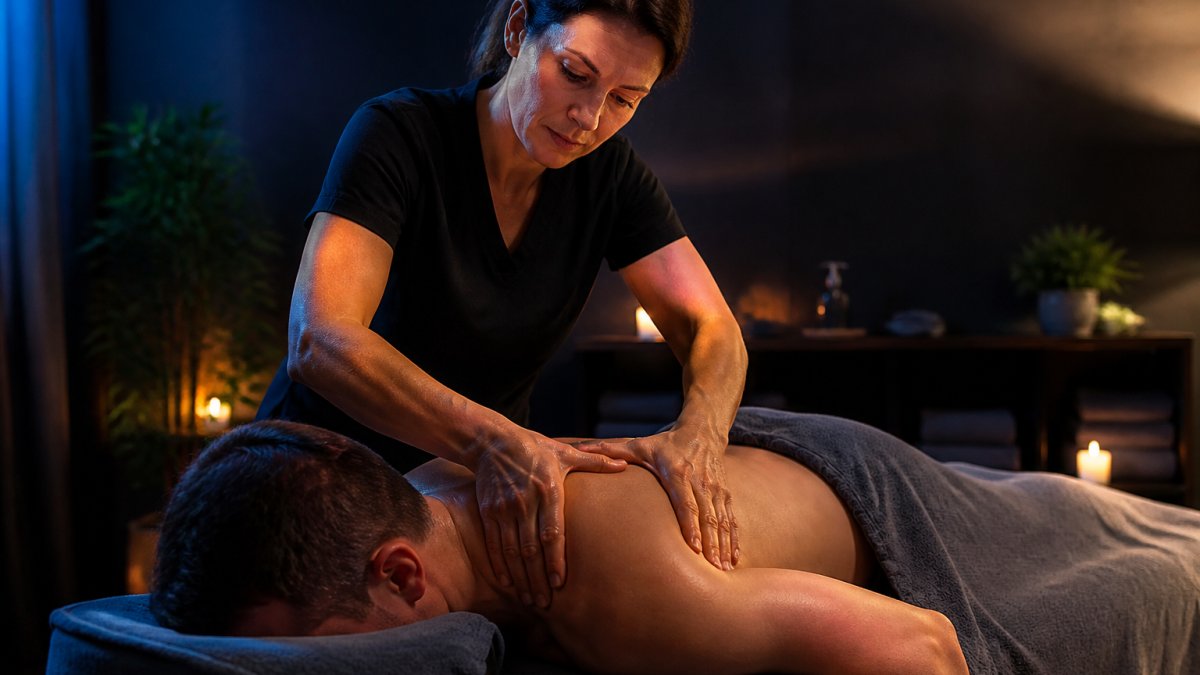
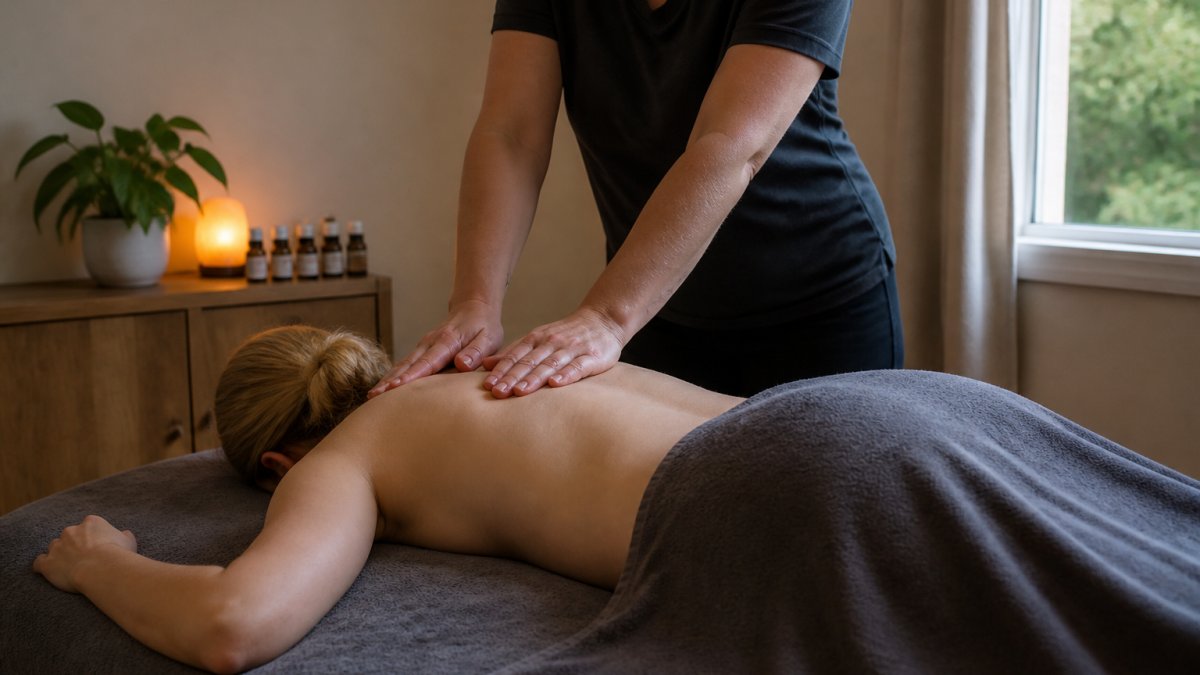
Therapeutic massage works by applying sustained pressure and movement to tight muscle fibers, signaling them to relax and lengthen. This process interrupts the cycle of tension that keeps your joints locked in a limited range. When muscles release, your joints gain more space to move through their full arc of motion. The result can be improved flexibility and easier movement.
Common areas where tension restricts mobility include the neck, shoulders, lower back, and hips. Office workers, nurses, factory workers, and hairstylists often develop chronic tension in these zones due to repetitive postures and physical demands. A targeted massage therapy session can address these patterns directly, breaking the tension that's been limiting your movement for weeks or months.
Address Muscle Stiffness With Targeted Therapeutic Techniques
Stiffness differs from tension. While tension is active tightness, stiffness is the feeling of rigidity or lack of fluidity in a muscle. Stiffness worsens with inactivity and improves with movement, but only if the right kind of movement happens.
Therapeutic massage addresses stiffness by increasing blood flow to stiff tissues and gently mobilizing them through their range of motion. Techniques like cross-fiber friction, myofascial release, and active-assisted stretching help restore the suppleness muscles need to move freely. These aren't the light, relaxing strokes of a spa massage; they're clinical techniques designed to improve tissue quality and function.
For athletes and active individuals, stiffness can develop after intense training or competition. For post-operative patients, surgical immobilization creates stiffness that needs to be carefully addressed during recovery. The right massage therapy approach depends on what caused the stiffness and how long it's been present. A Board Certified Licensed Massage Therapist can assess your specific situation and apply the techniques most likely to restore mobility.
Improve Circulation and Reduce Inflammation
Poor circulation and inflammation are often invisible barriers to mobility. You can't see them, but you feel their effects: swelling, stiffness, and pain that makes movement difficult. Massage therapy addresses both by improving blood flow and supporting your body's natural inflammatory response.
When blood flow improves, oxygen and nutrients reach damaged or strained tissues more effectively. This accelerates healing and reduces the inflammation that's restricting your movement. Research from the American Massage Therapy Association emphasizes that improved circulation is one of the primary mechanisms through which massage supports recovery and mobility restoration.
Inflammation isn't always bad, it's part of your body's healing process. But when inflammation persists or becomes excessive, it creates stiffness and limits your range of motion. Therapeutic massage helps modulate this response, keeping inflammation at a level that supports healing without creating the restriction that slows your recovery.
For clients in Hobart and surrounding areas dealing with chronic conditions or recent injuries, this circulation-boosting effect is often one of the most noticeable benefits. Within a few days of a massage session, individuals may experience less swelling and easier movement.
Break Up Scar Tissue and Adhesions
Scar tissue and adhesions are fibrous connections that form after injury, surgery, or repetitive strain. They're your body's way of healing, but they often create restrictions that limit mobility. Scar tissue is less flexible than healthy muscle tissue, and adhesions can bind muscle layers together, preventing the smooth gliding movement that normal tissue allows.
Breaking up scar tissue and adhesions requires specific techniques applied with appropriate pressure and precision. Clinical massage therapists use methods like cross-fiber friction, deep tissue work, and myofascial release to mechanically break down these restrictions and encourage the formation of more flexible, organized scar tissue.
This process takes time. One session begins the work, but consistent sessions over weeks or months create meaningful improvements in tissue quality and mobility. Post-operative patients especially benefit from this approach, as scar tissue forms immediately after surgery. Early intervention with appropriate massage therapy can prevent scar tissue from becoming a long-term restriction on your movement. Maintaining these gains between professional appointments often requires self-care tools, though choosing between a massage gun vs foam roller depends entirely on the specific nature of your tissue tension.
Support Post-Operative Recovery and Lymphatic Drainage
Surgery creates a specific type of mobility challenge: swelling, immobilization, and the need to carefully restore movement without disrupting healing. Post-operative lymphatic drainage is a specialized technique designed to address the swelling that develops after surgery, which directly restricts your ability to move.
Schedule your appointment today →
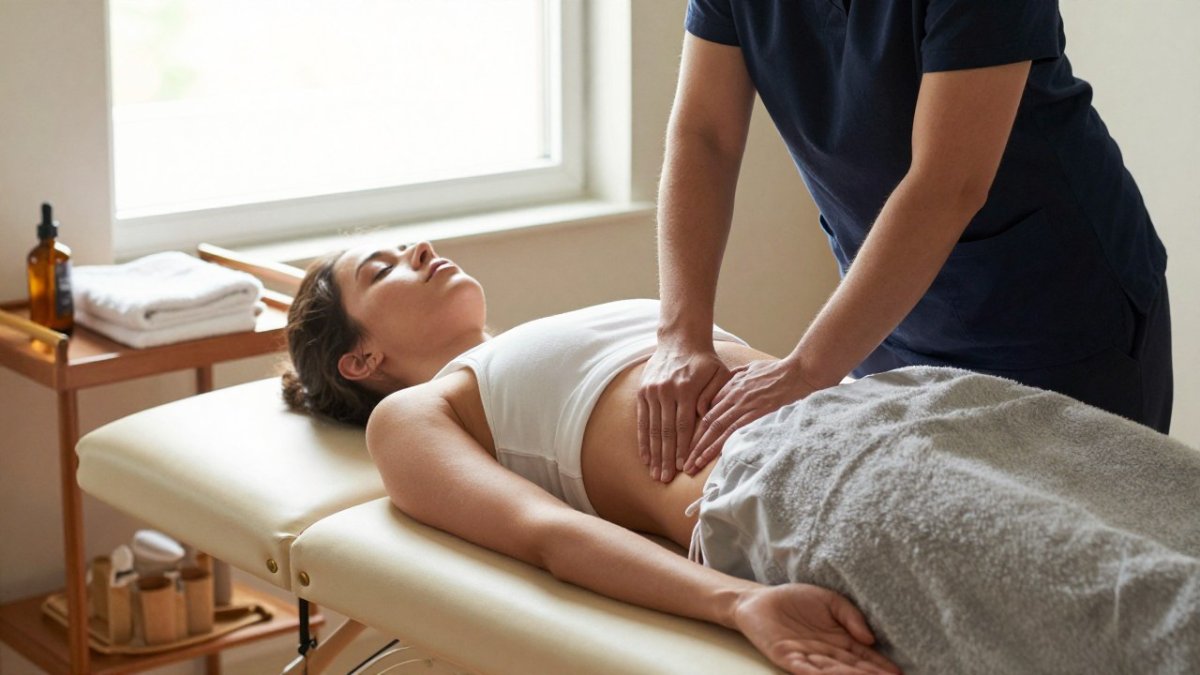
Lymphatic drainage massage uses gentle, rhythmic techniques to encourage fluid movement through your lymphatic system. This reduces swelling and supports your body's natural healing process. For clients 5 days post-op or beyond, appropriately timed lymphatic drainage can be transformative, reducing swelling that would otherwise limit your mobility for weeks.
At Lavendura Massage & Bodywork, we specialize in post-operative lymphatic drainage through our Manual Lymph Drainage certification. This expertise allows us to work safely with clients at various stages of post-surgical recovery, helping them regain mobility faster and more comfortably than they would without this specialized support.
The key is timing and appropriate technique. Too much pressure or movement too soon can interfere with healing. A qualified therapist trained in post-operative care knows exactly what your body needs at each stage of recovery. For clients throughout the Chicagoland area recovering from surgery, this specialized approach can be essential for supporting mobility while protecting the healing process.
Determine the Right Massage Therapy Frequency for Your Goals
How often you receive massage therapy directly affects how much your mobility improves. One session provides temporary relief and some improvement, but consistent sessions create lasting changes in muscle quality, tissue health, and movement capacity.
The right frequency depends on several factors: your current mobility limitations, the underlying cause (chronic pain, post-operative recovery, athletic recovery), and your specific goals. Clients dealing with acute post-operative swelling may benefit from weekly sessions initially, then transition to every other week as healing progresses. Clients with chronic muscle tension might see consistent improvement with bi-weekly sessions. Athletes might use massage therapy weekly during intense training phases.
A qualified therapist can assess your situation and recommend a frequency that matches your needs and goals. This isn't about selling more sessions, it's about matching the treatment plan to what actually works for your body. Starting with a consultation where your therapist understands your mobility goals allows them to create a realistic plan.
| Situation | Recommended Frequency | Expected Timeline |
|---|---|---|
| Acute post-operative swelling | 1-2 times per week | 4-8 weeks |
| Chronic muscle tension | Every 2 weeks | 8-12 weeks for noticeable change |
| Athletic recovery | 1 time per week | Ongoing during training |
| General mobility improvement | Every 2-3 weeks | 12+ weeks for lasting results |
Maximize Results With Self-Care After Massage
What you do after your massage session matters as much as the session itself. Self-care practices extend the benefits of massage therapy and help prevent tension and stiffness from returning immediately.
Hydration is the first priority. Massage therapy mobilizes fluid and metabolic waste in your tissues. Drinking water after your session helps your body process and eliminate these byproducts more effectively. Many clients find that staying well-hydrated in the 24 hours after massage reduces soreness and maintains the mobility improvements longer.
Gentle movement also matters. Your instinct might be to rest completely after massage, but light activity, walking, easy stretching, or gentle movement, helps maintain the improved range of motion your therapist worked to restore. Complete immobility allows muscles to re-tighten. Movement keeps them supple.
Heat can support recovery. A warm bath or heat application in the hours after massage can help muscles stay relaxed and maintain the improved mobility. Cold is generally less helpful unless there's acute inflammation or swelling.
Avoiding heavy exercise for 24-48 hours after massage allows your body to focus on recovery rather than new muscle damage. This doesn't mean complete rest, it means gentle, easy movement rather than intense training.
Regaining mobility doesn't require accepting permanent stiffness or chronic pain as normal. The 7 ways to improve mobility with massage therapy address the actual tissue restrictions that limit your movement. At Lavendura Massage & Bodywork, we specialize in clinical massage therapy tailored to your specific mobility challenges, whether you're recovering from surgery, managing chronic muscle tension, or working to move better in daily life. Our Board Certified Licensed Massage Therapists and Manual Lymph Drainage certification mean you're working with qualified professionals who understand post-operative recovery, tissue healing, and the specific techniques that restore movement. If you're in Hobart, Merrillville, Crown Point, or the surrounding Chicagoland area and ready to move more comfortably, schedule your appointment today and discover how targeted massage therapy can restore the mobility you've been missing.
Frequently Asked Questions
Can massage therapy actually improve mobility?
Yes. Massage therapy improves mobility by releasing muscle tension, increasing circulation, and reducing inflammation that restricts movement. It works especially well when combined with stretching and movement exercises. For chronic conditions or post-operative recovery, consistent sessions over several weeks typically show the most noticeable improvements in how freely you can move.
How often should you get a massage for improving mobility?
Frequency depends on your condition and goals. Athletes and active individuals often benefit from weekly or bi-weekly sessions. Those recovering from surgery may start with weekly sessions during the first 4-6 weeks, then adjust based on progress. For chronic pain or stiffness, many people see steady improvement with sessions every 2-3 weeks. A licensed massage therapist can recommend a schedule tailored to your specific needs.
What should I do after a massage to support my mobility gains?
Gentle movement, hydration, and rest are key after massage. Drink water to help flush metabolic waste from your muscles. Light stretching or walking can help maintain the improved range of motion. Avoid strenuous activity for 24-48 hours to allow your body to recover. Heat therapy (warm baths or heating pads) can extend the benefits. Consistency matters: regular self-care between sessions accelerates mobility improvements.
Is massage therapy better than physical therapy for mobility issues?
Massage and physical therapy serve different but complementary purposes. Massage releases muscle tension and improves circulation, while physical therapy builds strength and trains movement patterns. Many people benefit most from both: massage reduces pain and tension, then physical therapy helps restore function through targeted exercises. Discuss your specific mobility concerns with a healthcare provider to determine the best approach for your situation.